Choose dried fruit against each guest’s specific avoidance requirements, checking the ingredients and any precautionary warnings on the exact pack before serving. A single-fruit product may be simpler to assess, but its short ingredient list does not establish allergy suitability; some mixed-fruit products list sulphites or carry nut, peanut or sesame warnings. Keep the packaging available so guests can check it too.
Who needs to consider what?
Hosts serving guests with allergies or intolerances
Ask which ingredients each guest avoids, then keep the relevant packs available for checking. Read precautionary warnings as well as the ingredient list, and avoid mixing differently labelled products in one bowl.
Hosts putting out a shared fruit snack
A single-fruit product can be easier to assess than a medley with several ingredients. Check the whole label nonetheless: the fruit name alone does not tell you about added ingredients or cross-contact warnings.
Families hosting toddlers
Consider the pack’s age and serving warnings alongside its ingredients. The NHS advises giving toddlers dried fruit such as raisins with meals, rather than as a snack between meals, because the sugars can contribute to tooth decay.
What should you check before buying?
Start with the ingredient or allergen a guest needs to avoid, then decide whether the fruit can be prepared and served without losing the information on its pack.
| Priority | What to check | Your needs |
|---|
| Allergens and cross-contact |
Read the exact pack’s ingredients, highlighted allergens and any precautionary or suitability warning. Keep its label available when serving. |
I need to check the particular allergen my guest avoids, rather than rely on a general Free From or vegan label. |
| Sulphites |
Look for sulphur dioxide, sulphites and relevant preservative declarations on the current pack. Marks & Spencer lists sulphites in its Orchard Fruits Medley and Tropical Fruit Medley; Whitworths lists sulphur dioxide in Luxury Mixed Fruit. |
If a guest avoids sulphites, I need to check the selected product, even when it is described as dried fruit. |
| Ingredients and variety |
Compare every fruit and added ingredient in a medley with the full list on a single-fruit pack. A short list is easier to read, not proof of allergy suitability. |
I want a choice of fruit, but need to know what is in each option before putting it out. |
| Party serving |
Retain the original packs and keep differently labelled fruit and serving utensils separate. Check any preparation instructions before treating a product as ready to eat. |
Guests should be able to identify and check the fruit they are offered, even after I have set the table. |
| Young children |
Read product-specific age or choking warnings. For toddlers, follow the NHS advice to serve dried fruit with meals rather than between them. |
If toddlers are coming, I need a serving plan rather than leaving dried fruit out for grazing all afternoon. |
What can go wrong when serving dried fruit?
-
Treating a vegan or Free From label as an allergy check
A broad label does not answer whether the exact product carries a relevant allergen or cross-contact warning. The Food Standards Agency advises against using vegan labelling on its own as a substitute for allergen labelling.
Check the current pack against each guest’s stated requirements, and leave it available for them to read.
-
Assuming a fruit mix contains no sulphites
Marks & Spencer and Whitworths each list sulphites or sulphur dioxide on specific mixed-fruit products. Allergy UK also identifies dried fruit among foods that may contain added sulphites.
Ask whether sulphites are relevant to a guest’s requirements, then check the declaration on the particular pack.
-
Discarding packs after filling shared bowls
Without the packaging, guests cannot readily recheck which ingredients and warnings apply to each fruit. Combining products also makes them harder to identify.
Keep fruit in its pack or place the original label beside its own serving dish, with a separate utensil for each option.
-
Leaving dried fruit out as a toddler grazing snack
The NHS advises giving toddlers dried fruit with meals rather than between meals because of tooth-decay risk. Individual packs may also carry age or choking warnings.
Check those warnings and plan supervised, age-appropriate serving with food.
Brand and retailer references
Use these product-level examples to see why the label matters; a brand name does not establish suitability across its range.
M&S
Marks & Spencer publishes ingredient and allergy information for individual dried-fruit products.
- Its Dried Cherries page lists dried sour cherries, concentrated apple juice and sunflower oil.
- Its Orchard Fruits Medley lists sulphites and is marked unsuitable for people with nut, peanut or sesame allergies. M&S advises checking the current pack because food information can change.
Whitworths
Whitworths sells dried fruit, nuts and seeds; suitability needs checking by product.
- The Luxury Mixed Fruit product page provides an ingredient and allergen declaration.
- That product lists sulphur dioxide, so it is not an option for a guest avoiding that declared ingredient.
Tesco
Tesco lists several dried-fruit types, including apricots, mango, dates, raisins and mixed fruit.
- The category offers different fruit types and pack sizes to compare.
- Being in a dried-fruit or Free From category does not establish whether an individual product meets a guest’s specific avoidance requirements. Check its page and physical pack.
Dried-fruit options on Joybuy
These Joybuy options are single-fruit products to consider for a garden party. Check each pack’s current warnings and preparation instructions: the wolfberries require cooking, while the Whitworths figs carry a nut and peanut facility warning.
 No image available
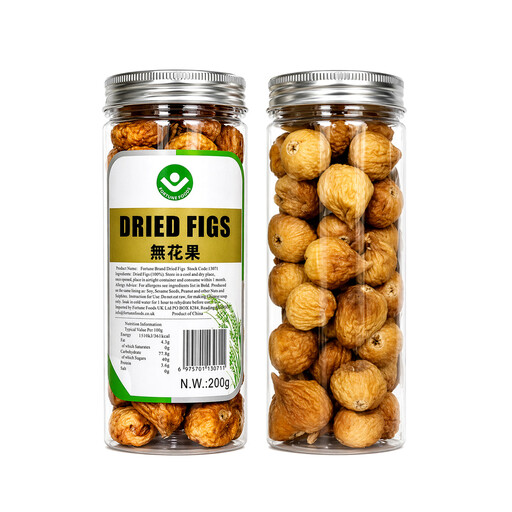
Figs 200g
A single-fruit option to consider when you want to keep party fruit easy to identify. Check the physical pack’s ingredient and allergy information against each guest’s requirements before serving.
View on Joybuy
 No image available
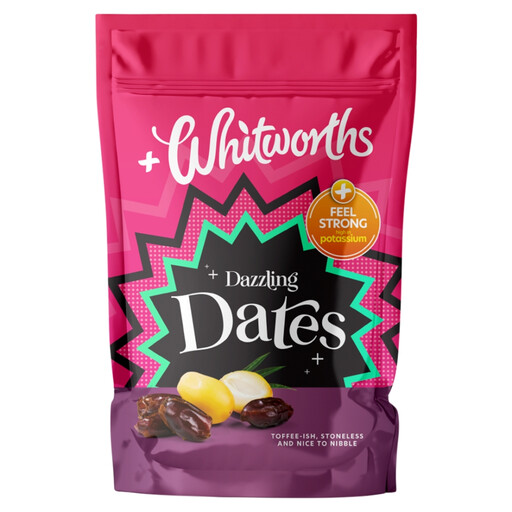
Whitworths Dates 300g
Dates offer another single-fruit choice for a separately labelled serving dish. The product information includes a warning about small children and choking and says it may contain an occasional fragment of shell. Read the exact wording on the pack before serving; do not infer allergen suitability from the warning alone.
View on Joybuy
No image available
Whitworths Figs 175g
These figs provide a single-fruit option, but the product information states that they are produced in a facility that handles nuts and peanuts. Do not serve them to a guest for whom that warning is relevant; check the physical pack before making the decision.
View on Joybuy
 No image available
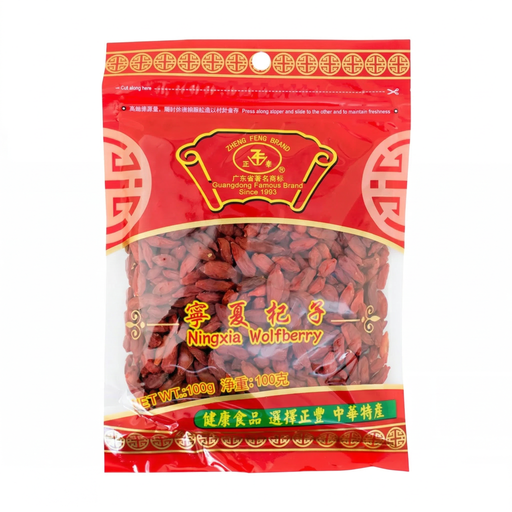
Zheng Feng NingXia Wolfberry 100g
Consider these wolfberries for food you are preparing in advance, not for a ready-to-eat fruit bowl: the product instructions state that cooking is required. Check the physical pack for its current preparation, ingredient and allergy information.
View on Joybuy
Frequently asked questions
Does a vegan or Free From label make dried fruit suitable for every guest with an allergy?
No. Check the exact pack for the allergen the guest avoids and for relevant precautionary warnings. The Food Standards Agency advises that vegan labelling on its own should not be used as a substitute for allergen labelling.
Why check dried fruit for sulphites?
Some dried-fruit products list sulphur dioxide or sulphites. Allergy UK identifies dried fruit as a food that may contain added sulphites, while Marks & Spencer and Whitworths declare them on specific fruit medleys. Check the chosen pack if a guest avoids sulphites.
Can I serve mixed dried fruit to a guest with a nut or sesame allergy?
Decide from the exact product’s ingredients and precautionary warnings, in line with the guest’s stated requirements. For example, Marks & Spencer marks its Orchard Fruits Medley unsuitable for people with nut, peanut or sesame allergies; a fruit-based description does not override that warning.
How should I serve dried fruit when toddlers are coming?
Check the product’s age and choking warnings and supervise serving. The NHS advises giving toddlers dried fruit such as raisins with meals rather than as a snack between meals because the sugars can contribute to tooth decay.


