Parents packing primary-school lunches
Individual boxes make it easy to put a defined portion in a lunchbox. Check the child’s school rules on packed lunches and allergens before choosing a product.


For a straightforward packed-lunch portion, start with an individually boxed plain-fruit pack and compare the number and size of portions, ingredients and nutrition per box. A different fruit or a fruit-and-nut mix may suit a child’s preferences, but check its label and the school’s packed-lunch policy. For toddlers, NHS guidance says to give dried fruit with meals rather than between them because its sugars can contribute to tooth decay.
Individual boxes make it easy to put a defined portion in a lunchbox. Check the child’s school rules on packed lunches and allergens before choosing a product.
If you want to avoid nuts, coatings or a longer list of ingredients, begin with plain raisin packs and read the current label before buying.
A small box sets the amount packed, but when it is eaten still matters. The NHS advises giving toddlers dried fruit such as raisins with meals, not as a between-meal snack, because its sugars can contribute to tooth decay.
Start with the portion you intend to pack, then check the ingredients, nutrition information and school rules for that particular product.
| Priority | What to check | Your needs |
|---|---|---|
| Individual portions | Check the number of boxes or sachets, the weight of each one and the total pack weight. Compare like formats rather than assuming every multipack has the same portion size. | I want a portion I can put straight into a lunchbox without measuring it from a larger pouch. |
| Ingredients and allergens | Read the physical pack’s ingredients and any precautionary allergen wording, especially for mixes or coated fruit. The Food Standards Agency explains that precautionary wording signals possible unintended allergen presence. | Plain fruit is easier for me to assess than a fruit-and-nut mix, particularly when I also need to follow school allergy rules. |
| Sugars and eating time | Compare nutrition information on the same per-box or per-serving basis. For toddlers, follow NHS advice to offer dried fruit with meals rather than between them because its sugars can contribute to tooth decay. | I want to know what is in the portion and when a younger child is likely to eat it; a small box alone does not settle that question. |
| School suitability | Check the school’s current packed-lunch and allergy policy, then consider whether the child will eat the fruit provided. Pay particular attention before packing a nut-containing mix. | A different dried fruit might appeal more than raisins, but I need to know whether the exact product is suitable for this lunchbox. |
A portioned box limits what is packed, not how often it is eaten. The NHS says the sugars in dried fruit can contribute to tooth decay in toddlers.
For toddlers, offer dried fruit with a meal rather than as a between-meal snack, in line with NHS guidance.
Ingredients and allergen information can change. The Food Standards Agency explains that precautionary allergen wording communicates possible unintended presence of an allergen.
Read the current physical pack, particularly when a child has an allergy or intolerance, and follow the school’s allergy rules.
A product described as suitable for lunchboxes does not establish what an individual school allows. Department for Education school-food guidance for England concerns food and drink provided in state-funded schools.
Check the child’s school policy before packing dried fruit, especially a fruit-and-nut mix.
Sainsbury's lists Mini Snack Raisins as 12 individual 14g boxes.
Tesco lists its Seedless Raisins in a 12 × 14g multipack.
Whitworths Sunny Raisins are listed by Tesco in a 12 × 14g lunchbox multipack.
M&S lists Taste Buds 10 Raisin Snack Boxes in a 140g pack alongside other dried-fruit formats.
Sunsweet describes a dried-fruit range that includes apricots and cherries.
These options include a portioned raisin multipack, cranberry and blueberry sachets, and a nut-and-dried-fruit mix. Check each format against the child’s lunchbox needs and school policy.
 No image available
The 12 individual 14g raisin portions offer a box-sized option for packed lunches. For toddlers, follow NHS advice to give dried fruit with a meal rather than between meals.
 No image available
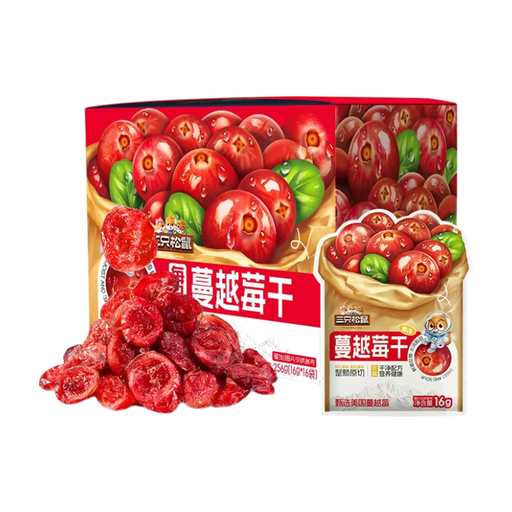
Sixteen individual 16g packs provide a cranberry alternative to raisin boxes. Check the current ingredients, sugars information and school policy before putting a sachet in a lunchbox.
 No image available
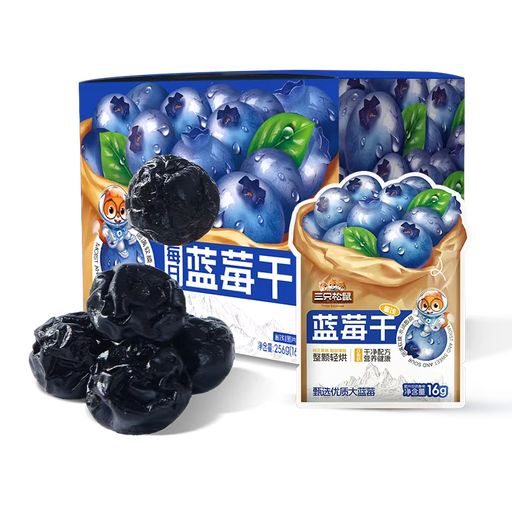
This blueberry option comes as sixteen individual 16g packs. As with the cranberry sachets, read the pack’s ingredients and sugars information rather than assuming it matches a plain raisin portion.
 No image available
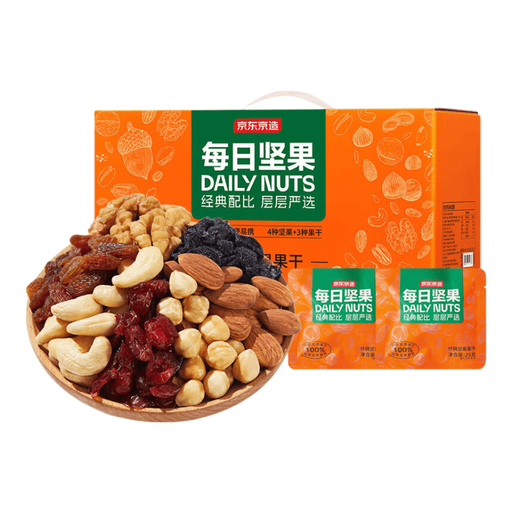
This is a portioned nut-and-dried-fruit mix, not a plain-fruit pack. Check its ingredients and allergen information against the child’s needs and the school’s nut policy before packing a sachet.
For toddlers, the NHS advises giving dried fruit such as raisins with meals rather than as a snack between meals because its sugars can cause tooth decay. Consider when the child will eat the portion, as well as whether the box fits the lunch.
Choose plain raisins if you want to assess a shorter ingredient list without adding nuts to the lunchbox. For either product, read the current pack: the Food Standards Agency explains that precautionary allergen statements can indicate possible unintended allergen presence.
No universal permission for home-packed raisins follows from the Department for Education’s guidance on food and drink provided in state-funded schools in England. Check the child’s own school packed-lunch and allergy policy for the product you plan to send.
Compare the number of individual portions, weight per portion, ingredients and nutrition on the same serving basis. A 14g raisin box and a 16g fruit sachet are different portions, so check both labels rather than comparing only the number of packs.