Parents packing lunchboxes
Individual boxes are easy to pack, but whether the fruit is eaten with lunch matters. The NHS advises keeping dried fruit to mealtimes rather than offering it as a between-meal snack.


For a regular snack between breakfast and lunch, choose something other than a dried-fruit grab bag: the NHS advises eating dried fruit at mealtimes rather than between meals. If you want a portable portion to eat with a meal, compare the grams in each pack and check its sugars declaration, ingredients and allergen warnings.
Individual boxes are easy to pack, but whether the fruit is eaten with lunch matters. The NHS advises keeping dried fruit to mealtimes rather than offering it as a between-meal snack.
A small carton or pouch makes the amount easy to see. Check whether you want a 14g addition to a meal or a 30g dried-fruit portion, and plan when you will eat it.
Compare the current pack labels, particularly when choosing between plain raisins, fruit containing sulphites and mixed fruit-and-nut pouches.
Decide when the food will be eaten before choosing a pack size. A convenient portion does not change the NHS advice to eat dried fruit at mealtimes.
| Priority | What to check | Your needs |
|---|---|---|
| Eating occasion | Will it be eaten with breakfast or lunch, or on its own between meals? The NHS advises eating dried fruit at mealtimes. | If I need a regular mid-morning snack between meals, I will choose a different food rather than treating a portable dried-fruit pack as the default. |
| Portion size | Check grams per individual pack, not just the multipack total. The NHS counts 30g of dried fruit as one 5 A Day portion; the Tesco and Sainsbury’s raisin cartons contain 14g each. | A small box may be enough to add to my lunch. If I want a measured dried-fruit 5 A Day portion with a meal, I will look for 30g. |
| Sugars declaration | Read sugars per serving alongside the serving weight. Tesco lists 8.4g sugars per 14g raisin box; Sainsbury’s lists 9.7g per 14g serving. | I want to know what the actual portion contains, rather than assuming that plain dried fruit has no sugars. |
| Ingredients and warnings | Read the current ingredients, allergen statement and any stone warnings. The Food Standards Agency notes that sulphites are used in some dried fruit; the M&S Fruit and Nuts pouch lists nuts and sulphites. | If an ingredient or warning matters to me or someone I pack food for, I need to check the particular pack before buying and eating it. |
The NHS says 30g of dried fruit counts as one 5 A Day portion, but separately advises eating dried fruit at mealtimes rather than as a between-meal snack.
If you are buying it for a mid-morning routine, plan to eat it with breakfast or lunch; choose a different food for a standalone snack.
A box containing twelve 14g cartons and one containing five 30g pouches serve different portion needs.
Compare the number of packs, grams per pack and current unit labels before choosing a format.
The Food Standards Agency identifies sulphites as an ingredient used in some dried fruit. The checked M&S fruit-and-nut pouch also contains cashew, pecan and pistachio nuts.
Read the ingredients and allergen warnings for the exact product, rather than treating a mixed pouch as interchangeable with plain raisins.
Product information can change between a listing and the food you receive.
Check the physical pack’s ingredients, allergen information, other warnings and date marking before eating it or packing it for someone else.
Tesco Groceries lists its Seedless Raisins as twelve 14g boxes.
Sainsbury’s lists Mini Snack Raisins in twelve 14g cartons.
Whitworths has both 14g Sunny Raisins cartons and a 1DERS variety multipack containing five 30g mango or apricot pouches.
M&S lists raisin snack boxes and a separate 70g Fruit and Nuts mixed pouch.
Sunsweet Europe lists pitted prunes in 200g and 500g formats rather than individual grab bags.
These options include portioned dried fruit for eating with a meal, a larger bag to portion yourself, and a separate chestnut snack. A chestnut pack should not be treated as a dried-fruit portion simply because it is portable.
 No image available
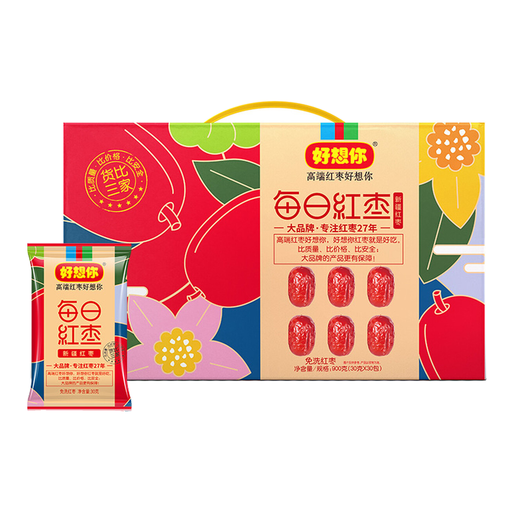
The individual 30g sachets offer a measured dried-fruit portion to eat with a meal. Take care with pits when eating the dates.
 No image available
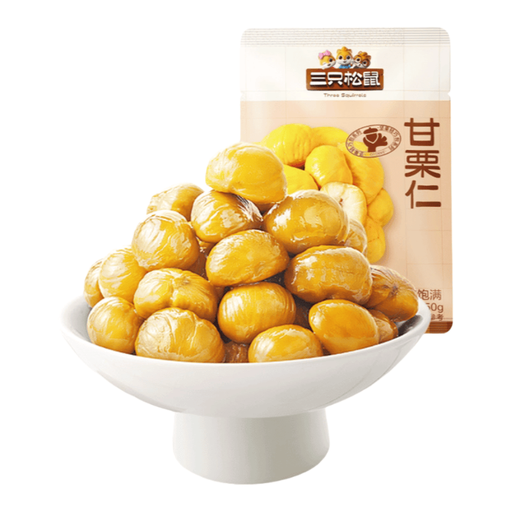
This is a single 50g chestnut pack for someone considering a portable snack. It is a different choice from the raisin, mango and other dried-fruit portions discussed here; do not use its pack weight as a dried-fruit 5 A Day measure.
 No image available
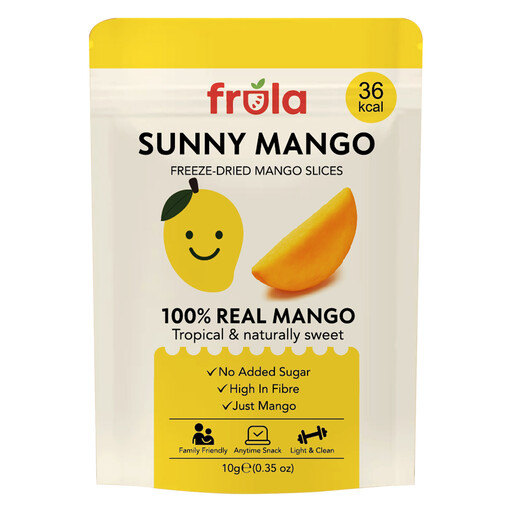
The 10g pack is a small fruit portion to take with a meal. It is not a 14g raisin carton or a 30g pouch; check its current ingredients and labelling if those distinctions matter to your choice.
 No image available
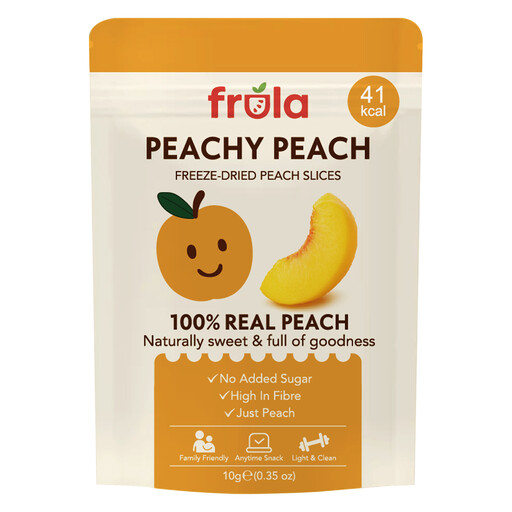
This 10g peach pack offers another small fruit portion for a meal. Compare its flavour and pack weight with the mango option, and read the current label for ingredients and warnings.
 No image available
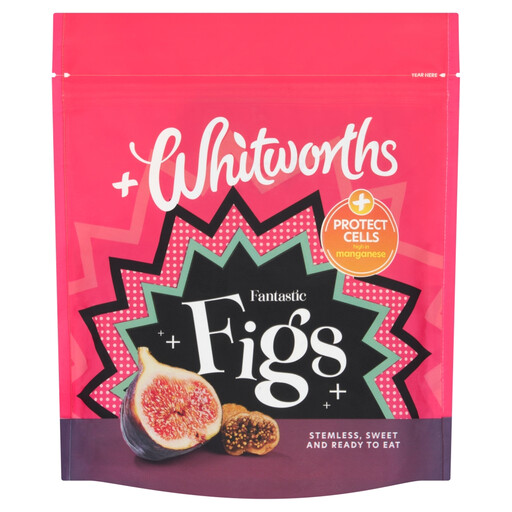
The 175g bag is a multi-serving dried-fruit option, not an individual grab bag. You would need to portion it yourself for a meal or lunchbox; check the pack’s allergen information if nuts or peanuts are a concern.
The NHS counts 30g of dried fruit as one 5 A Day portion. A 14g raisin carton contains less than that amount; check the individual pack weight rather than the multipack total.
Not as a routine standalone snack between meals. The NHS advises eating dried fruit at mealtimes, so plan a portable pack for breakfast or lunch if you want that format.
Choose a 14g carton for a smaller addition to a meal; choose a 30g dried-fruit pouch if you want the NHS 5 A Day dried-fruit portion at a mealtime. The larger portion does not change the advice about eating dried fruit between meals.
Read the exact pack’s ingredients and allergen warnings before buying or eating it. The Food Standards Agency notes that sulphites are used in some dried fruit; the checked Whitworths mango-and-apricot variety contains sulphites, while M&S Fruit and Nuts lists both nuts and sulphites.
Check the physical pack as well. Its ingredients, allergen information, other warnings and date marking are the details to use for the product you receive.