People packing an office lunch
An individual pack provides a defined amount without opening a larger bag at work. The NHS uses 30g of dried fruit as its reference for one 5 A Day portion and advises eating dried fruit with a meal.


For an office lunch, an individually portioned dried-fruit pack makes the amount easier to judge than an open bag. A 30g pack matches the NHS reference amount for one dried-fruit 5 A Day portion, but the NHS advises eating dried fruit at mealtimes rather than between meals to reduce tooth-decay risk. Check the ingredients, sugars per pack and allergen information too: a small carton, a larger pouch and a fruit-and-nut mix raise different questions.
A smaller pack can make lunch packing simpler, but the right format also depends on when it will be eaten and whether it will be shared.
An individual pack provides a defined amount without opening a larger bag at work. The NHS uses 30g of dried fruit as its reference for one 5 A Day portion and advises eating dried fruit with a meal.
Compare the amount of sugars in the pack you would eat, rather than assuming a small carton contains little sugar. Sainsbury's lists 9.7g sugars in one 14g carton of its Mini Snack Raisins.
Keep ingredient and allergen information with each product. The Food Standards Agency notes that sulphites are often used in dried fruit; fruit-and-nut mixes also need checks for their named nuts and any precautionary allergen statements.
Start with the amount in each pack and when you plan to eat it, then compare the actual ingredients and label information.
| Priority | What to check | Your needs |
|---|---|---|
| Pack size | Check the weight of each carton or sachet, not just the multipack total. The NHS reference for one dried-fruit 5 A Day portion is 30g; a 14g carton contains less and a 50g pouch contains more. | I want an amount I can pack with lunch without repeatedly reaching into a larger bag. |
| Ingredients and sugars | Read the ingredient list for added sugar and other ingredients, then compare sugars per serving or per pack. Sainsbury's lists 9.7g sugars per 14g Mini Snack Raisins carton; Joybuy lists sugar as an ingredient in Whitworths Cranberries. | If I prefer fruit without added sugar, I need to check the ingredients rather than rely on the word “fruit” on the front. |
| Allergens | Check the current pack for sulphites, named nuts and precautionary statements. The Food Standards Agency identifies sulphites as an ingredient often used in dried fruit; a Whitworths Wondermix listing names several nuts and sulphites. | When I buy for colleagues, I want everyone to be able to see the original label before choosing a pack. |
| Eating occasion | Decide whether the pack is for a meal or for repeated desk snacking. The NHS advises eating dried fruit at mealtimes, not between meals, to reduce tooth-decay risk. | A pack for lunch fits my routine differently from an open bag kept beside my keyboard all afternoon. |
Portioning limits the amount in one carton but does not change its nutrition. Sainsbury's lists 9.7g sugars per 14g carton of Mini Snack Raisins and marks that serving high for sugars in its nutrition guide.
Compare the sugars figure for the amount you expect to eat, alongside the pack weight.
The NHS says 30g of dried fruit counts as one 5 A Day portion, while advising that dried fruit be eaten at mealtimes rather than between meals to reduce tooth-decay risk.
Pack the amount you intend to eat with lunch or another meal instead of leaving a larger bag open on the desk.
Ingredients differ between products. Joybuy lists cranberries, sugar and sunflower oil in Whitworths Cranberries, whereas Sainsbury's lists raisins and sunflower oil in its Mini Snack Raisins.
Use the ingredient list to distinguish a sweetened product from one that meets your preference for simpler ingredients.
A Joybuy listing for Whitworths Wondermix names cashews, pecans, pistachios and sulphites, alongside precautionary statements for other allergens. Decanting the mix separates it from information colleagues may need.
Keep the current packaging and its allergen information available, and avoid mixing different products in an unlabelled container.
These examples show how pack size and product type vary; check the individual product label before choosing.
Whitworths lists a 1DERS Fruit Variety Pack of dried apricots and mango in a 4 x 5 x 30g format, as well as raisin multipacks and fruit-and-nut products.
Tesco lists a 50g soft-apricot snack pack and a 55g fruit-and-nut snack pot among its snack formats.
Sainsbury's Mini Snack Raisins come as 12 x 14g cartons. The retailer lists raisins and high-oleic sunflower oil as ingredients.
M&S lists Taste Buds raisin snack boxes alongside larger dried-fruit products and fruit-and-nut mixes.
These options include small raisin boxes, dried fruit in larger packs or multiple smaller units, and a fruit-and-nut mix. Compare each format with your lunch routine; a multipack's total weight is not necessarily the amount in one serving.
 No image available
The 14g boxes offer a smaller stated amount to pack with an office lunch. The pack contains 12 boxes; one 14g box is less than the NHS 30g reference for a dried-fruit 5 A Day portion.
 No image available
For a lunch portion taken from a larger dried-fruit pack, check the amount you plan to bring to work. These pitted Chilean prunes come in a 500g pack; that total is not a single-serving weight.
 No image available
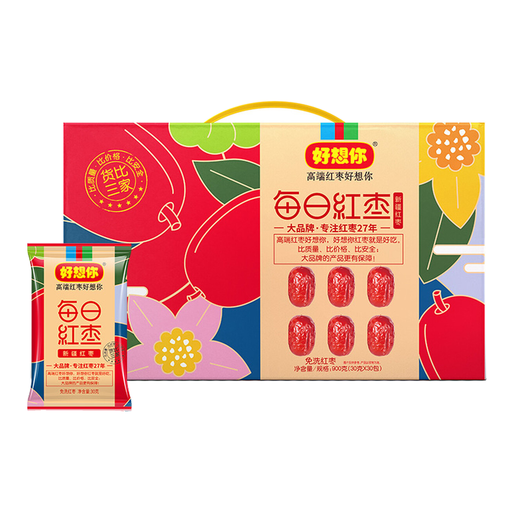
A 30g sachet is a straightforward amount to include with lunch and matches the NHS dried-fruit reference portion by weight. The stated pack format is 30 x 30g, totalling 900g; check the current packaging for ingredients and any relevant allergen information.
 No image available
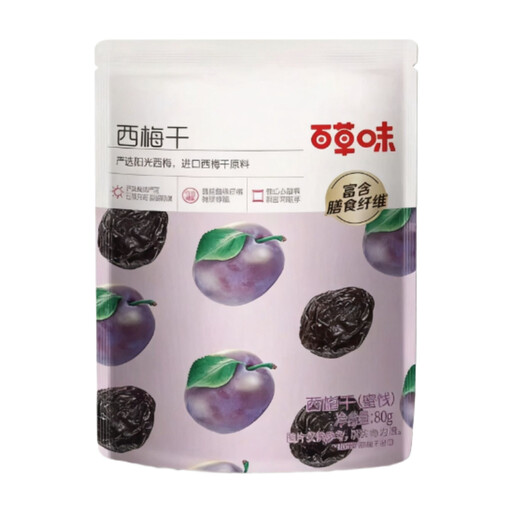
The 14 smaller bags divide an 80g pack into units that can be taken to work separately. Check the weight and ingredients of an individual bag if you are comparing it with a 30g lunch portion.
 No image available
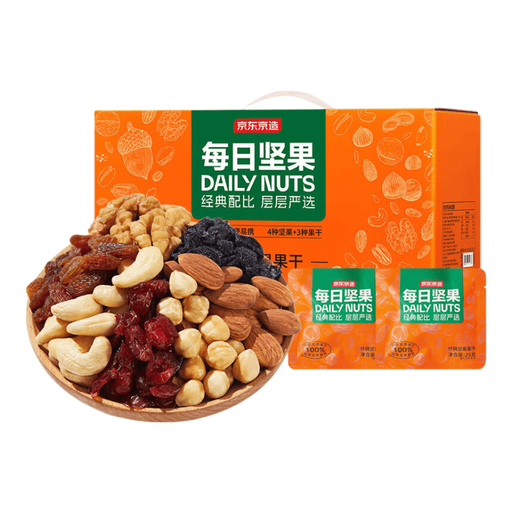
Choose a mixed format only if you want nuts as well as dried fruit, and check its current allergen declaration before bringing it into a shared office. This 750g pack contains 30 sachets; its total weight should not be confused with a dried-fruit-only serving.
A 30g amount of dried fruit counts as one 5 A Day portion according to the NHS. The NHS advises eating dried fruit at mealtimes rather than between meals to reduce tooth-decay risk, so check the weight of the individual pack as well as when you will eat it.
If you are choosing dried fruit, the NHS advises having it with a meal rather than as a between-meal snack to reduce tooth-decay risk. A measured pack with lunch is a different routine from repeatedly eating from an open bag throughout the day.
Products labelled as dried fruit can have different ingredients. Sainsbury's lists raisins and sunflower oil in its Mini Snack Raisins, while Joybuy lists sugar as well as cranberries and sunflower oil in Whitworths Cranberries. Read the ingredient list and compare nutrition for the amount you would eat.
Check the current label for sulphites, named nuts and precautionary allergen statements. The Food Standards Agency notes that sulphites are often used in dried fruit, and fruit-and-nut mixes can introduce several nut allergens. Keep the original packaging available when colleagues choose a snack.
Use the current physical pack as the final check before offering food to colleagues. Its ingredient list and allergen information apply to the product being served; an online description may not reflect the particular pack in hand.