Parents packing for outings
Individual raisin boxes and dried-mango pouches can go into a day bag without measuring a serving from a larger pack. Check the portion and ingredients of the product you choose.


For a compact dried-fruit portion, a 14g plain-raisin box is one option; a 35g dried-mango pouch offers a different fruit in a larger portion. Fruit-and-chocolate mixes call for a closer ingredient and allergen check. For toddlers, the NHS advises giving dried fruit with meals rather than between meals because its sugars can cause tooth decay; for younger children, consider the food’s texture and supervise eating.
Individual raisin boxes and dried-mango pouches can go into a day bag without measuring a serving from a larger pack. Check the portion and ingredients of the product you choose.
Plain raisins and dried mango need different checks from fruit snacks containing chocolate or nuts. The exact flavour matters when avoiding particular ingredients or allergens.
The NHS advises giving toddlers dried fruit with meals rather than between meals. It also advises supervising babies and young children while they eat and considering food size, shape and texture.
Start with the portion and ingredient list, then decide when and how the child will eat it. A portable pack does not remove the need to check age suitability or allergens.
Choose when: A small, ready-portioned raisin pack suits the child and the planned meal.
Bear in mind: Whitworths lists 9.3g sugars in a 14g Sunny Raisins box; for toddlers, NHS advice is to serve dried fruit with meals.
Choose when: The child can manage chewy mango pieces and you want a fruit other than raisins.
Bear in mind: Sainsbury’s lists its BEAR Fruit mango pouch at 35g, with 20g sugars per pack; it is a larger portion than a 14g raisin box.
Choose when: You specifically want a mixed-ingredient snack and have checked the exact pack for the child.
Bear in mind: Whitworths Shots varieties can contain chocolate or declared allergens, so they are not interchangeable with plain fruit.
| Priority | What to check | Your needs |
|---|---|---|
| Portion and packing | Compare grams per individual pack, the number of packs and whether each serving is separately boxed or wrapped. A 35g mango pouch is not the same portion as a 14g raisin box. | I want one pack to take on an outing without dividing up a larger bag. |
| Ingredients | Read the exact flavour’s ingredient list. Whitworths lists raisins and sunflower oil for Sunny Raisins; its Shots range includes mixed-ingredient varieties. | I would rather choose plain fruit than pick up chocolate pieces or other additions by mistake. |
| When it is eaten | Check sugars per stated serving, not just a front-of-pack claim. The NHS advises giving toddlers dried fruit with meals rather than between meals because its sugars can cause tooth decay. | For my toddler, the pack needs to fit into a meal or picnic lunch rather than repeated snacking throughout the day. |
| Allergens and texture | Check the current pack’s ingredients and emphasised allergens. For babies and young children, the NHS advises considering food size, shape and texture and supervising eating. | I need to know whether the exact product suits my child’s allergies and whether they can manage its pieces safely. |
Whitworths’ plain Sunny Raisins and its Shots mixes have different ingredients. Sainsbury’s lists chocolate pieces and possible peanut, nut, milk and sesame presence for Raisin & Chocolate Shots.
Read the ingredients and allergen information for the exact flavour before putting it in a child’s bag.
The NHS says the sugars in dried fruit can cause tooth decay and advises giving it to toddlers with meals rather than between meals.
Plan a dried-fruit portion as part of a meal instead of offering it repeatedly between meals.
A familiar brand name does not establish that two listings have the same pack size or ingredients. That distinction matters when you are buying for an allergy or looking for plain dried fruit.
Check the current product’s pack count, ingredients, allergens and age warnings before ordering.
These product lines illustrate different single-portion formats; a brand name alone does not tell you what is in a particular pack.
Its Sunny Raisins boxes offer a plain-raisin format, while Shots include mixed-ingredient snacks.
M&S lists a 140g multipack containing ten 14g raisin snack boxes.
Sainsbury’s lists a 35g BEAR Fruit dried-mango pouch as an alternative to small raisin boxes.
Tesco lists its own-brand seedless raisins in a 12-pack totalling 168g.
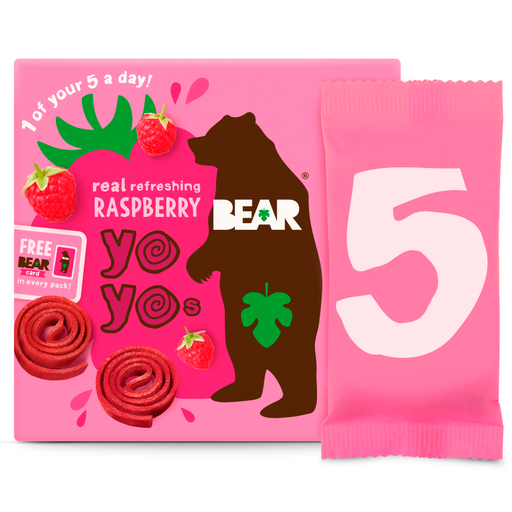
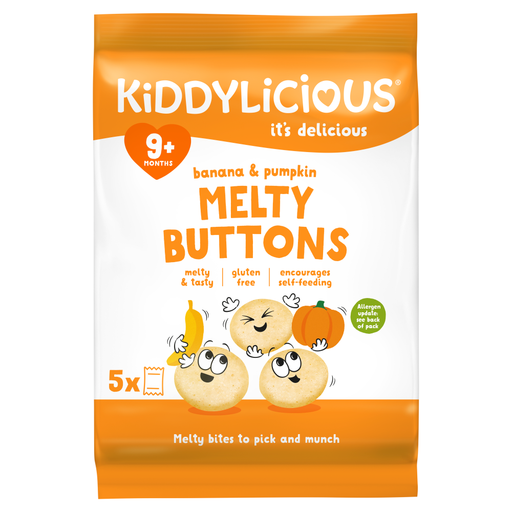
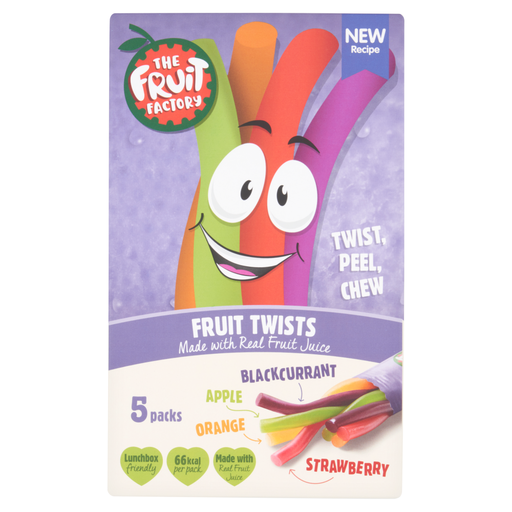
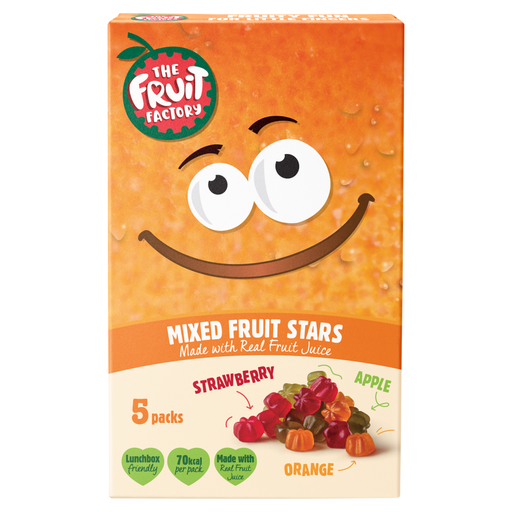
These are portioned fruit and fruit-flavoured snack options for packing on an outing. They include fruit rolls, a snack labelled for babies and fruit-flavoured sweets; they are not a like-for-like selection of plain raisin boxes or dried-mango pouches.
 No image available
The 20g portions offer an individually packed option for a day bag. If choosing one for a toddler, follow NHS advice to give dried fruit with a meal and supervise younger children while eating.
 No image available
This is a portioned snack labelled for children aged 9+ months, rather than a plain dried-fruit pack for an older child. Check the current ingredients and age guidance, and supervise babies and young children while eating.
 No image available
Five packs provide a portioned fruit-flavoured snack, not a substitute for a plainly labelled dried-fruit pack. Check the current ingredients for added sugar and wheat, and the pack’s choking warning for children under 36 months.
 No image available
These five packs are a portioned fruit-flavoured sweet rather than plain dried fruit. Check the ingredients for added sugar and the pack’s choking warning for children under 36 months before choosing them for an outing.
The NHS advises giving toddlers dried fruit such as raisins with meals rather than as a snack between meals, because its sugars can cause tooth decay. A portable pack can be included with lunch or a picnic meal instead of offered repeatedly throughout the day.
No added sugar does not mean sugar-free. Sainsbury’s lists its no-added-sugar BEAR Fruit dried mango as containing 20g sugars per 35g pack. Compare the stated serving size and nutrition panel when choosing between packs.
Read the ingredients and allergen information on the exact pack. GOV.UK guidance says the ingredients list on pre-packed food must emphasise allergens that are required to be declared. Mixed fruit snacks may have different ingredients and warnings from plain-fruit products, even under the same brand.
Check whether the food’s size, shape and texture suit the child’s stage of eating. The NHS advises supervising babies and young children while they eat and considering those characteristics because food can be a choking hazard. A portioned pack alone does not establish age suitability.
England’s school-food standards, described by GOV.UK, apply to food and drink provided to pupils by state-funded schools on school premises; they do not set a general rule for a parent-packed family outing. If a child is attending a holiday club or activity, check that provider’s food and allergy rules separately.