Hosts planning individual servings
Small packs offer a defined serving for each guest. If you prefer a sharing bag, measure the fruit before putting it on the Halloween table rather than relying on an open bowl.


For a Halloween party, choose a measured serving of plain, uncoated dried fruit if you want to keep calories predictable: the cited Tesco and M&S plain-fruit products list fewer calories per 100g than the cited chocolate-coated raisins. Mini boxes make individual portions easier to allocate, while a sharing bag needs measuring. Compare the current pack’s energy values, ingredients and allergen information before serving.
Small packs offer a defined serving for each guest. If you prefer a sharing bag, measure the fruit before putting it on the Halloween table rather than relying on an open bowl.
Age warnings and the way food is served matter alongside portion size. The NHS advises having dried fruit at mealtimes rather than as a between-meal snack to reduce tooth-decay risk.
Plain-looking fruit, fruit mixes and coated snacks can have different ingredients and allergen declarations. Keep each product’s current packaging available so guests can check what is in it.
Decide on a serving size, compare energy on the same weight basis, then check what else the product contains and when it will be served.
| Priority | What to check | Your needs |
|---|---|---|
| Portion size | Check the weight of an individual pack, or measure servings from a sharing bag. The NHS uses 30g of dried fruit as one 5 A Day portion; Tesco Groceries lists 14g and 40 kcal for each box of its Seedless Raisins 12 Pack. | I want to decide how much fruit to put out per guest, rather than assume a mini box and a 30g portion are the same size. |
| Calories | Compare kcal per 100g, then check kcal for the amount you intend to serve. Tesco Groceries lists 285 kcal per 100g for its seedless raisins; Marks & Spencer lists 292 kcal per 100g for its mixed dried fruit and 445 kcal per 100g for its chocolate-coated raisins. | A small serving matters to me, but I also want a fair comparison between products with different pack sizes. |
| Ingredients | Read the full ingredients and allergen information. Tesco Groceries lists pineapple-juice-infused cranberries and sulphur dioxide in its Raisins and Cranberries mix; Marks & Spencer lists sulphur dioxide in its Jumbo Golden Raisins. | I want guests to be able to distinguish plain fruit from a mix or coated snack, and to check ingredients relevant to them. |
| Serving time | Plan when the fruit will be offered. The NHS advises eating dried fruit at mealtimes rather than between meals to reduce tooth-decay risk. | I would rather serve measured portions with planned food than leave a bowl out for repeated grazing. |
Coatings and other ingredients change what you are comparing. In the cited product labels, Tesco Groceries lists 285 kcal per 100g for plain seedless raisins, while Marks & Spencer lists 445 kcal per 100g for chocolate-coated raisins.
Compare energy per 100g and per intended serving, and read the ingredient list before choosing a product for the table.
Pack sizes differ: Tesco Groceries lists 14g for one seedless-raisin mini box, while the NHS uses 30g as its dried-fruit 5 A Day portion.
Choose whether to offer a mini box or a measured serving from a larger pack, then use that size when planning quantities.
The NHS advises having dried fruit at mealtimes rather than as a between-meal snack to reduce tooth-decay risk.
Put out measured amounts with planned food instead of continually refilling an all-evening bowl.
Marks & Spencer lists sulphur dioxide in its Jumbo Golden Raisins, and its Chocolate-Coated Raisins carry an under-36-month choking warning. A fruit-based name does not replace the pack’s ingredient and suitability information.
Keep the original packaging beside the serving dish, check allergen and age warnings, and supervise young children with age-appropriate food.
Tesco Groceries provides examples of both mini-box raisins and a larger raisin-and-cranberry mix.
Marks & Spencer’s cited products show why plain mixed fruit and chocolate-coated raisins should be compared separately.
Whitworths offers a useful contrast between dried fruit and a snack combining fruit with biscuit pieces.
These options include mini-box raisins, wrapped prunes and fruit in sharing packs. Compare their current nutrition and ingredient labels on the same serving basis before choosing for your Halloween table.
 No image available
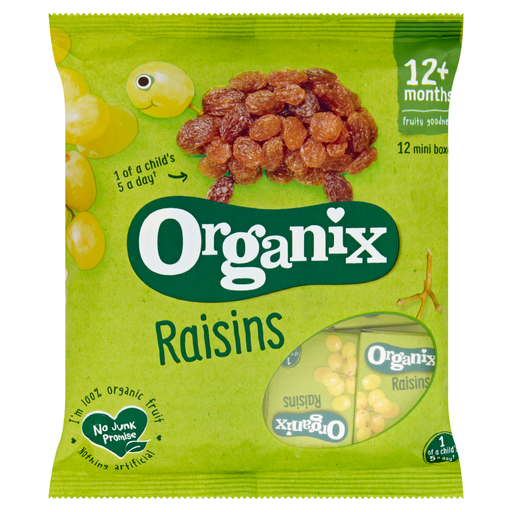
The individual 14g boxes let you allocate a defined amount to each guest; each is smaller by weight than the NHS 30g dried-fruit reference portion. Check the pack’s age and ingredient information when serving children.
 No image available
These pitted red dates offer a sharing-pack alternative to mini boxes. Measure out the amount you plan to serve and check the current nutrition and ingredient information.
 No image available
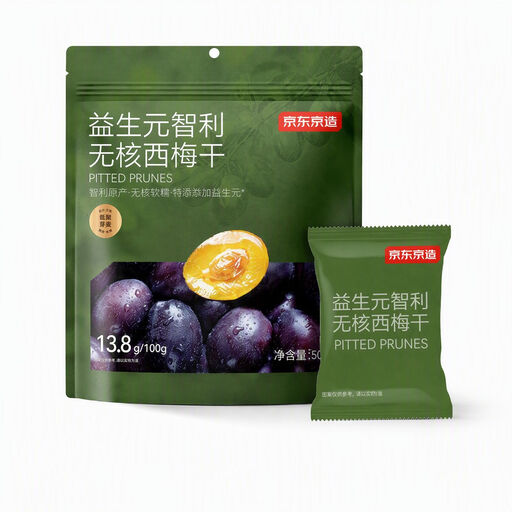
Individual wrappers offer a way to hand out prunes without leaving an open bowl on the table. Check the amount per wrapper and the current ingredients; the product information identifies an added ingredient, so do not treat it as fruit alone.
 No image available
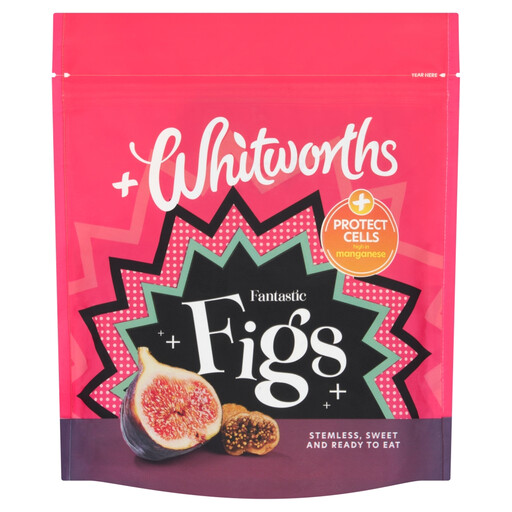
The 175g pack can be divided into planned servings rather than put out as an open bag. Check its nut and peanut warning against guests’ requirements before serving.
 No image available
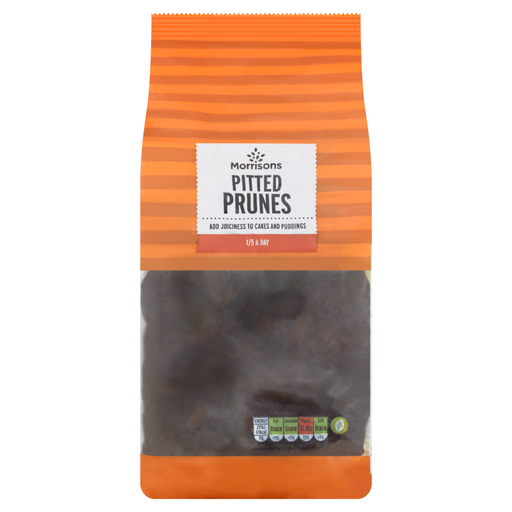
This 500g sharing pack needs portioning before guests serve themselves. The product information warns that stone fragments may remain despite the prunes being pitted, so check the pack and take care when serving.
The NHS says 30g of dried fruit counts as one 5 A Day portion. That is a planning reference, not the size of every snack pack: Tesco Groceries lists 14g for each box in its Seedless Raisins 12 Pack.
The NHS advises eating dried fruit at mealtimes rather than as a between-meal snack to reduce tooth-decay risk. At a Halloween party, offer measured amounts with planned food instead of continually refilling a bowl.
No category name guarantees that result; compare products per 100g or for the same serving weight. In the cited labels, Tesco Groceries lists 285 kcal per 100g for its seedless raisins, Marks & Spencer lists 292 kcal per 100g for its mixed dried fruit and 445 kcal per 100g for its chocolate-coated raisins.
Read each current pack’s ingredients and allergen information, including any suitability warnings. Marks & Spencer lists sulphur dioxide in its Jumbo Golden Raisins, while coated products can contain additional ingredients; keep the relevant packaging available when serving.
Do not offer the cited M&S Chocolate-Coated Raisins to children under 36 months: Marks & Spencer labels them unsuitable for that age group because of a potential choking hazard. Check the age warnings on any other product separately.