
24/7 Customer Support

Free returns

Same-day & Next-day Delivery

Quality Guaranteed

Unlock Your Welcome Offers: FREE Delivery | Up to 80% OFF | Free 30-day JoyPlus trial
Download the APP
Dried fruit and culinary herbs can make a useful addition to a UK kitchen. They are convenient for lunchboxes, desk snacks, baking, teas, soups and Asian-inspired meals, while their long storage life can help reduce last-minute supermarket trips.
However, attractive packaging does not always tell you what you are buying. A small pouch may contain added sugar, syrups or preservatives, while a cooking ingredient may require soaking or boiling before use. The following guide explains the main pitfalls, the product details worth checking and a selection of options for different shopping needs.
Some dried fruit snacks contain only fruit, while others include sugar, glucose syrup, acidity regulators, flavourings or preservatives. For example, dried mango can be sold as a lightly sweetened fruit snack, but chilli dried mango may also contain sugar, maltose, seasoning and sulphites.
Check the full ingredients list, not just the product name. If you are looking for a simple snack, compare products containing 100% fruit with preserved fruit products that have added sweeteners.
Removing water concentrates the fruit, so the carbohydrate and sugar figures per 100g can appear high even when no sugar has been added. A 20g pouch of dried dragon fruit is very different from a 400g bag of prunes in terms of how much you are likely to eat at once.
Use the net weight and nutrition panel together. Individually portioned packs may suit lunchboxes or office drawers, whereas larger jars and bags can offer more food but require sensible resealing and portioning.
Dried fruit snacks such as mulberries, jackfruit and some prunes can be eaten directly from the pack. Dried herbs can usually be added during cooking. Other traditional Chinese dried ingredients, including dried lily bulbs, daylily buds and dried tangerine peel, may need rinsing, soaking and thorough cooking.
Always follow the product’s preparation instructions. Eating a cooking ingredient without rehydrating or cooking it can result in an unpleasant texture and may not follow the stated safety guidance.
Look for a clear ingredient declaration and check whether the product contains:
“Fruit-only” and “no added sugar” are not interchangeable terms. A product may contain naturally occurring sugars, while another may contain added sugar even if the fruit remains the main ingredient.
The drying process affects how the ingredient is used:
For instance, pre-cut lemongrass pieces can be added to curries, soups and teas without preparing a fresh stalk. Bay leaves, meanwhile, are generally infused during cooking and removed before serving.
Compare the pack size with your intended use. A 12g freeze-dried fruit pouch may be suitable for occasional snacking, while a 200g bag of dried daylily buds is more practical for regular cooking.
Most products should be kept in a cool, dry place away from direct sunlight and moisture. Once opened, reseal the pack or transfer its contents to an airtight container. Some products, such as dried blueberries, specify refrigeration after opening, while moist prunes may have a shorter recommended consumption period once opened.
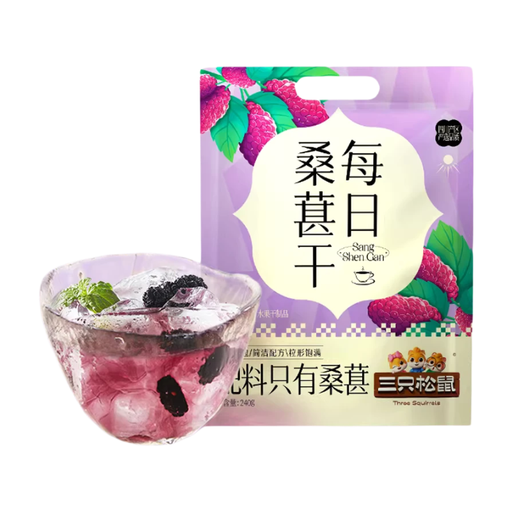
Why This Fits Their Persona: The 240g pack gives first-time buyers a practical quantity for snacking, yoghurt, oatmeal, baking or tea without choosing a specialist cooking ingredient.
The ingredients list states 100% mulberries, so shoppers can distinguish it from fruit snacks containing syrups, flavourings or sweeteners.
Ready to eat; soft and chewy; contains no listed allergens; suitable for both snacks and recipes.
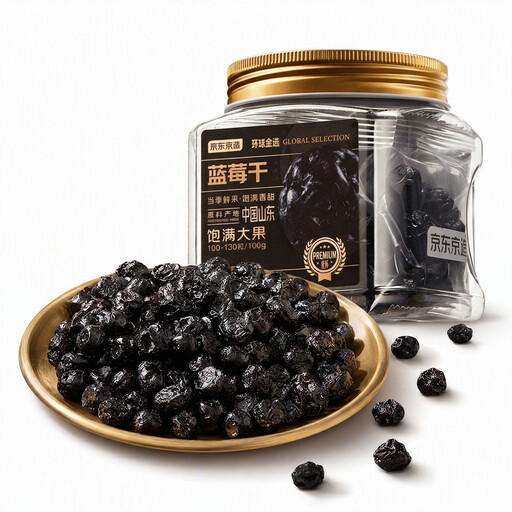
Why This Fits Their Persona: The sealed 210g jar suits shoppers who value portion access, visible fruit and storage convenience for home or office use.
The listing clearly declares blueberries, white sugar and sunflower oil, including a 74.5% blueberry quantity declaration, rather than leaving the recipe unclear.
Ready to eat; resealable jar; suitable for yoghurt, baking, porridge and afternoon snacks.
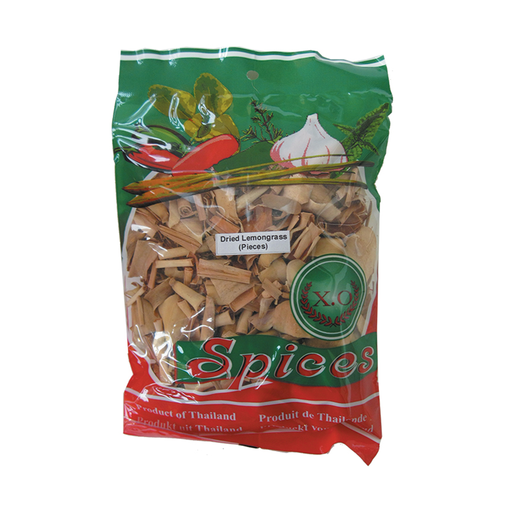
Why This Fits Their Persona: Pre-cut dried lemongrass is convenient for curries, soups, marinades, sauces and herbal infusions when fresh stalks are not available.
The product is identified as 100% dried lemongrass pieces with no artificial additives, so it is clearly a cooking herb rather than a flavoured tea blend.
100g pack; pre-cut pieces; suitable for cooking or steeping; store for up to 24 months when properly kept.
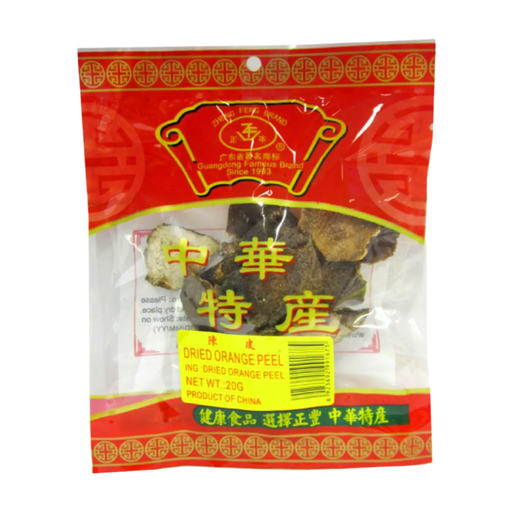
Why This Fits Their Persona: This compact pantry ingredient is designed for traditional Chinese cooking, braised dishes and teas, making it suitable for occasional specialist recipes.
The listing states that it requires rinsing and soaking in warm water before use, preventing the common mistake of treating it as a ready-to-eat snack.
100% dried mandarin peel; usable in soups, braised dishes and teas; compact 20g pack.
We have compiled a complete, real-time list of products that fully satisfy these strict selection criteria and UK safety regulations.
For fruit-focused shoppers, the range also includes dried tropical fruit, dried berries, dried prunes, dried mango, dried jackfruit, dried blueberries, dried apples and red raisins. Check whether each item is soft, chewy, crisp or preserved, and whether it contains sulphites or added sugar.
For cooking, compare dried herbs and dried spices such as bay leaves and thyme with specialist ingredients including dried lily bulbs and daylily buds. Preparation requirements matter more than pack appearance: some should simply be added to a dish, while others need soaking and cooking.
They can be convenient for lunchboxes, but check the age guidance, texture and allergen information. Some crisp or chewy products carry choking warnings for young children. Portion size and added sugar should also be considered.
Shelf life varies by product and packaging. Unopened products may remain suitable until the printed best-before date when stored correctly. After opening, keep them sealed, dry and away from sunlight. Follow any product-specific instruction, particularly where refrigeration is advised.
Some herbs, such as dried lemongrass, include steeping instructions. Others are intended for cooking only. Check the label before preparing an infusion, and do not assume that every dried spice or traditional dried ingredient is suitable for use as a beverage.