People taking breakfast on the go
If you want breakfast to contribute protein, check the whole meal rather than relying on a convenient pack of dried fruit to provide it.


Dried fruit alone is not a dependable protein source for a grab-and-go breakfast: Tesco Groceries lists 3.2g protein per 30g of its goji berries, while Whitworths lists 0.5g per 14g box of Sunny Raisins. If protein is the priority, have dried fruit with a separately labelled protein food; a fruit-and-nut mix changes the ingredients and allergen considerations, rather than making the fruit itself protein-rich.
If you want breakfast to contribute protein, check the whole meal rather than relying on a convenient pack of dried fruit to provide it.
A portioned raisin box is easy to carry, but convenience and protein content are separate considerations. Whitworths lists 0.5g protein per 14g box of Sunny Raisins.
Fruit-and-nut mixes need an ingredient and allergen check before they become part of breakfast. Whitworths lists peanuts in its 1DERS mix and warns that it may also contain nuts and sesame.
Start with the portion you will eat, then compare protein and ingredients before deciding what else breakfast needs.
| Priority | What to check | Your needs |
|---|---|---|
| Protein | Compare protein per intended serving, not just per 100g. For a “high protein” claim, legislation.gov.uk lists a condition that at least 20% of the food’s energy comes from protein. | I want breakfast to provide protein, so I need to check the dried fruit and any accompanying food separately rather than treating a few grams of protein as the whole answer. |
| Portion and timing | The NHS says 30g dried fruit counts as one 5 A Day portion and advises eating dried fruit at mealtimes rather than between meals to reduce tooth-decay risk. Check the pack’s serving size and sugars per serving. | A portion I can eat with breakfast suits me better than a large bag to nibble from throughout the morning. |
| Ingredients | Check whether the product is plain fruit or includes nuts, sweetened fruit or other ingredients. Read both the allergen declaration and any “may contain” warning on the current pack. | If I choose a mix for its protein, I need to know which ingredients provide it and whether the allergens are suitable. |
| Portability | Compare a single-serve pack with the portion you would take from a larger bag. Check whether the format works alongside any other breakfast food you plan to carry. | Some mornings call for a ready-portioned fruit pack; on others, I can measure dried fruit to add to breakfast. |
A protein figure alone does not establish that a food meets the claim condition listed by legislation.gov.uk: at least 20% of its energy must come from protein.
Check the claim and nutrition information for the particular product. If your goal is a protein-focused breakfast, consider a separately labelled protein food alongside the dried fruit.
Whitworths lists 4.1g protein per 30g of its 1DERS mix, which contains peanuts. It also warns that the product may contain nuts and sesame.
Read the current ingredients and allergen statements before choosing a mix, particularly if the breakfast is for someone with a food allergy.
The NHS advises having dried fruit at mealtimes rather than between meals to reduce the risk of tooth decay.
Portion the dried fruit for breakfast and eat it as part of that meal instead of repeatedly nibbling from a bag.
Ingredients and serving sizes change what the figures describe. Tesco Groceries lists 15.8g sugars and 3.2g protein per 30g of Tesco Goji Berries; Whitworths lists 4.1g protein per 30g of its 1DERS fruit-and-nut mix.
Compare the serving you would actually eat, then check for sweetened fruit and added nuts or seeds.
These brands illustrate different dried-fruit and breakfast-food formats; their wider ranges do not have the same nutrition or ingredient profile as the named examples.
Its range includes portioned raisins and a fruit-and-nut mix.
Its dried-fruit range includes goji berries as well as familiar fruit such as raisins and dates.
Its listed dried-fruit choices include raisins, apricots, goji berries and prunes, alongside a peanuts-and-raisins product.
Its food ranges include dried-fruit snacks and separate products marketed for protein.
Sunsweet UK publishes breakfast recipes using prunes.
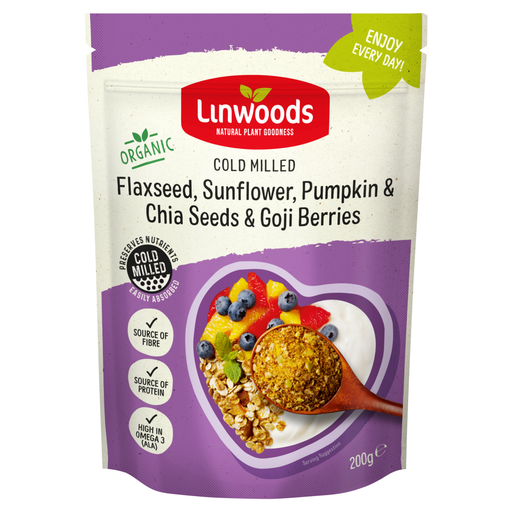
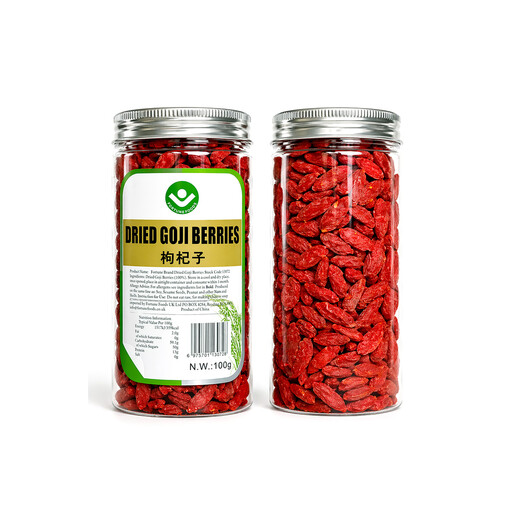
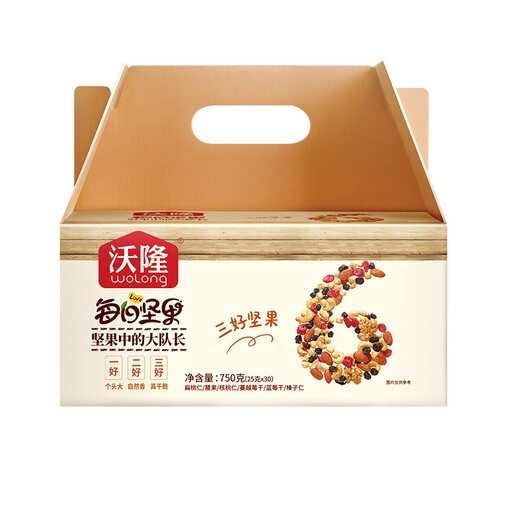
These options include a seed-and-goji blend, goji berries and a nuts product for putting together a portable breakfast. Check each product’s current ingredients, allergens and nutrition panel before relying on it for a particular protein amount.
 No image available
For breakfast, this seed-and-goji blend can be added to another food rather than eaten as a plain dried-fruit portion.
The 200g pack names flaxseed, sunflower, pumpkin and chia seeds alongside goji berries; check the serving and allergen information on the product.
 No image available
If you want goji berries with breakfast, measure a portion from this 100g bag before leaving.
Check its own nutrition and ingredient labels rather than applying figures from another brand’s goji berries.
 No image available
Consider this nuts product only if its current ingredients and allergen statement suit the person eating breakfast.
The listed variant is Adult Version in a 750g pack; use its own serving information to assess how it fits the meal.
Do not rely on dried fruit alone for that goal. Tesco Groceries lists 3.2g protein per 30g of Tesco Goji Berries, while Whitworths lists 0.5g per 14g box of Sunny Raisins; check a separately labelled protein food if breakfast needs to provide more.
The NHS says 30g of dried fruit counts as one 5 A Day portion. You can use that as a measure when preparing breakfast, while checking the serving size and nutrition figures on the pack you buy.
The NHS advises eating dried fruit at mealtimes rather than between meals to reduce tooth-decay risk. For a grab-and-go morning, have your portion as part of breakfast instead of grazing on it repeatedly.
Use the dried fruit as one component and check the nutrition panel of a separate protein food. Sainsbury’s Groceries and M&S Food list foods such as yoghurts and bars in their protein ranges, but the ingredients, allergens and protein figures need checking on the particular product.
Read both the ingredients and any precautionary warning on the current pack. Whitworths lists peanuts in its 1DERS mix and says it may also contain nuts and sesame; the Food Standards Agency explains that “may contain” information communicates possible unintended allergen presence.