People adding fruit to a protein-containing meal
Dried fruit can add flavour to yoghurt or another meal with a separate protein food. Check the protein contribution of the whole meal rather than treating the fruit as its main source.


Dried fruit can be a measured fruit addition to a high-protein meal or snack, but it should not replace the protein food: the ASDA, Tesco and Sainsbury’s examples below list only 0.6–1.3 g of protein per labelled serving. Choose by the energy in the portion you will actually eat, and check the sugars, ingredients and sulphite information on the pack.
Dried fruit can add flavour to yoghurt or another meal with a separate protein food. Check the protein contribution of the whole meal rather than treating the fruit as its main source.
A labelled serving or a portion measured from a larger bag makes it easier to compare the energy of the amount you intend to eat.
Sulphur dioxide or sulphites may be present in dried fruit. Check each pack’s ingredients and allergen statement, particularly when choosing apricots.
Start with the portion you expect to eat, then compare its energy and protein with the other foods in your planned meal or snack.
| Priority | What to check | Your needs |
|---|---|---|
| Energy and portions | Compare kcal per labelled serving and per 100 g. Check whether the pack contains one serving or needs measuring. | I want to know the energy in the amount I will eat, not just the figure for a small stated serving. ASDA Groceries lists 61 kcal per one-sixth of its 200 g apricot pack; Tesco Groceries lists 73 kcal per 30 g of its ready-to-eat prunes. |
| Protein contribution | Read protein per serving and plan a separate protein food. The British Nutrition Foundation identifies milk and dairy products, including yoghurt, as protein sources. | If protein is the point of the snack, I need more than dried fruit alone: Tesco Groceries lists 0.6 g per 30 g of its prunes, while ASDA Groceries lists 1.3 g per stated apricot serving. |
| Sugars and ingredients | Compare sugars and carbohydrate for the same portion size. Read the ingredients list for additions rather than assuming every fruit mix contains only fruit. | I may want a fruit topping, but I still need to see what is in the chosen portion and whether the product has other ingredients. |
| Allergens and use | Check the allergen statement for sulphites, any stone warning, and storage instructions after opening. | When I need to avoid sulphites or am choosing fruit to keep after opening, the individual pack’s warnings and instructions matter more than the fruit category alone. |
The ASDA apricots, Tesco prunes and Sainsbury’s apricots list just 0.6–1.3 g of protein per labelled serving, according to their retailers.
Use dried fruit as the fruit component and choose a separate protein food if that is the purpose of the meal or snack.
A serving figure changes with serving size. It cannot, by itself, show how two products compare per 100 g.
Check both figures on the label, then measure a portion from a larger bag if you want to plan its energy.
ASDA Groceries and Sainsbury’s list sulphur dioxide in the apricot products covered here. Ingredients can differ between products, even when the fruit is the same.
Read the ingredients and allergen statement on the pack you choose, particularly if you avoid sulphites.
Stone warnings and storage directions affect how you handle prunes or apricots, particularly partially rehydrated products.
Check for stones where the pack warns of them, and follow that product’s refrigeration and use-after-opening instructions.
These examples illustrate different pack formats and label details; a brand’s range does not have one shared nutrition profile.
A dried-fruit brand with prune and fig formats relevant to measured fruit additions.
Its 200 g apricot pack provides a stated one-sixth-pack serving for portion comparisons.
Its ready-to-eat prunes have nutrition values stated for a 30 g portion.
Its 40 g dried-apricot pack gives shoppers a fixed pack size to compare with a measured portion.
Its mixed dried fruit is an example to consider for baking or a measured topping.
These prunes, dates, figs and apricots are dried-fruit options for adding a measured portion to a meal or snack. Choose a separate protein food when protein is the main goal.
 No image available
The individually wrapped prunes offer a way to choose a portion alongside a separate protein food. Check the pack’s sugars and ingredients rather than relying on sugar-free wording in the listing.
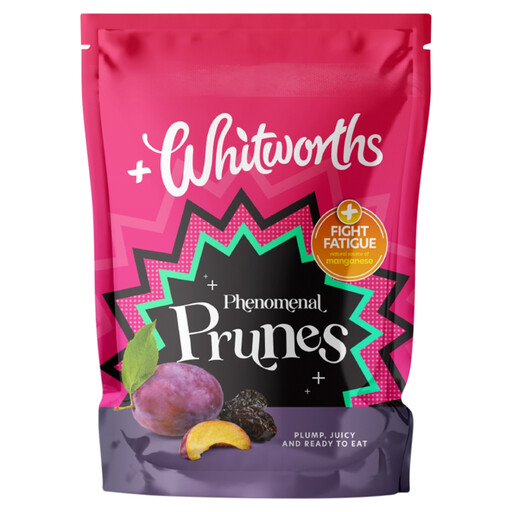 No image available
This bag is an option for a measured prune addition to a meal. Measure the portion you intend to eat and use the pack’s nutrition information for that amount.
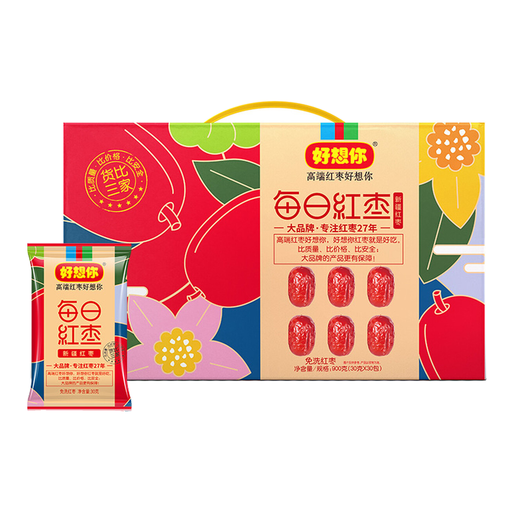 No image available
The 30 g sachets provide a fixed amount of red dates for portion planning. Check the energy and protein stated for a sachet before including one in a high-protein snack.
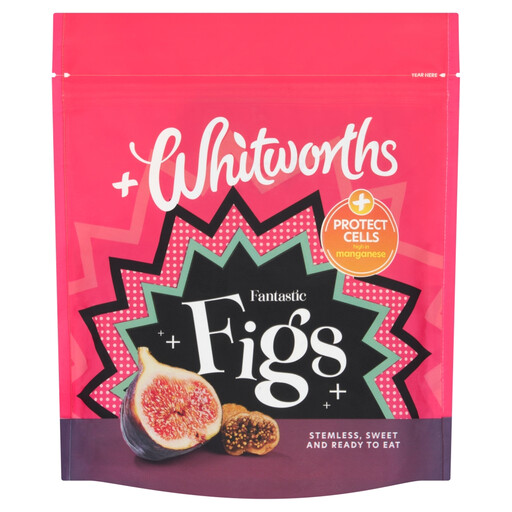 No image available
These figs are an option for a measured fruit addition rather than the protein part of a meal. Check the label for the portion’s nutrition values and for any relevant allergen warning.
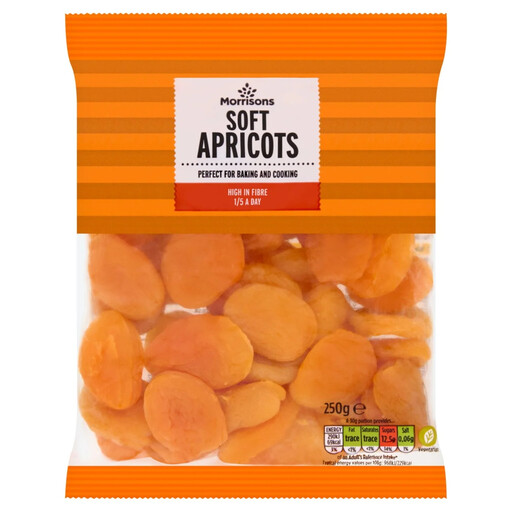 No image available
Measure a serving from this larger bag when planning an apricot addition to a meal. Check the pack’s energy per serving and its ingredients and allergen statement, especially if you avoid sulphites.
The examples here provide little protein per stated serving: ASDA Groceries, Tesco Groceries and Sainsbury’s list 0.6–1.3 g for their respective apricot and prune servings. Add a separate protein food if protein is the purpose of the snack.
No: a small serving can have fewer calories than a larger one without making the food itself low in energy. For a solid food in Great Britain, the nutrition-claims annex published on legislation.gov.uk sets a limit of 40 kcal per 100 g for a “low energy” claim. Compare both the labelled serving and per-100 g figures when choosing a product.
The NHS says 30 g of dried fruit counts as one 5 A Day portion. It is a useful comparison amount, but check the individual label: a single pack or its stated serving may be a different size.
Yes, if you need to avoid them. The Food Standards Agency notes that sulphur dioxide or sulphites are often used in dried fruit, including apricots, raisins and prunes. Check the ingredients and allergen statement on each product rather than assuming all packs have the same ingredients.
Follow the instructions on the particular pack. ASDA’s apricots and Tesco’s ready-to-eat prunes instruct shoppers to refrigerate them after opening and use them within seven days; instructions for another product may differ.