People adding dried fruit to protein-centred meals
Dried fruit can add flavour or texture, while the main protein food needs to come from elsewhere in the meal or snack.


Choose dried fruit as an addition to a protein-centred meal or snack, rather than relying on it as the main protein food. If you are avoiding an allergen, a plain-fruit product may have fewer ingredients to assess than a fruit-and-nut mix, but neither is automatically suitable: check the current ingredients and any “may contain” statement for the exact pack, including for sulphites.
Dried fruit can add flavour or texture, while the main protein food needs to come from elsewhere in the meal or snack.
Ingredients and precautionary “may contain” statements matter more than whether a product looks like plain fruit. Check the exact current pack against the allergen you need to avoid.
A mix may contribute protein from nuts, but it can also introduce declared nuts or peanuts and precautionary statements for other allergens. Compare both the nutrition panel and allergen information.
Decide which allergen information you need to check, then compare protein on the same per-100g or per-serving basis and consider how much dried fruit you will use.
| Priority | What to check | Your needs |
|---|---|---|
| Protein contribution | Compare protein per 100g and per serving on the nutrition panel. Choose the main protein food separately; Cambridge University Hospitals NHS Foundation Trust identifies foods including eggs, dairy, fish and meat as protein foods. | I want dried fruit for flavour or texture without counting it as the main protein in my meal. |
| Ingredients and allergens | Read the exact pack’s ingredients, declared allergens and any “may contain” wording. A shorter ingredient list does not establish that a food is free from the allergen you avoid. | Before choosing plain fruit or a nut mix, I need to check both intentional ingredients and the stated cross-contact risk. |
| Sulphites | Check for sulphur dioxide or sulphites on the current label. The Food Standards Agency identifies them as ingredients often used in dried fruit, including raisins, dried apricots and prunes. | I cannot assume a pack is suitable for my sulphite-related requirements just because its main ingredient is fruit. |
| Portion and use | Check the serving information and measure the amount used. NHS guidance describes around 30g as an adult dried-fruit portion and advises having dried fruit as part of a meal. | For a protein-centred meal, I would rather add a measured amount than treat a large bag as one snack. |
A fruit-and-nut mix can contain protein, but that alone does not tell you how much protein a serving contributes to your meal.
Compare the panel’s protein figures and choose a separate protein food that suits your requirements if protein is the purpose of the meal.
The Whitworths mixes described in the manufacturer’s product information declare nuts or peanuts and include precautionary statements for additional allergens.
Exclude a product containing an allergen you avoid, and assess “may contain” wording in line with the advice relevant to your allergy. Do not decide from the fruit pictured on the pack.
The Food Standards Agency identifies sulphur dioxide and sulphites as ingredients often used in dried fruit; plain-looking fruit is not necessarily sulphite-free.
Check the full ingredients and allergen declaration on the exact pack, particularly when choosing raisins, dried apricots or prunes.
NHS guidance gives around 30g as an adult dried-fruit portion and advises eating dried fruit with a meal rather than grazing on it between meals.
Measure the amount you plan to add to a meal or snack instead of using the pack size as a serving size.
Whitworths product information covers both dried-fruit and fruit-and-nut formats. Check the named product rather than applying one mix’s details across the range.
Sunsweet lists pitted-prune packs for snacking and use in recipes.
Tesco Groceries lists own-label dried-fruit types including prunes, cranberries, raisins and sultanas.
These products represent dried fruit that could be used as an addition to a protein-centred meal or snack. Their pack descriptions do not establish free-from suitability: check the current label for your particular allergen before choosing one.
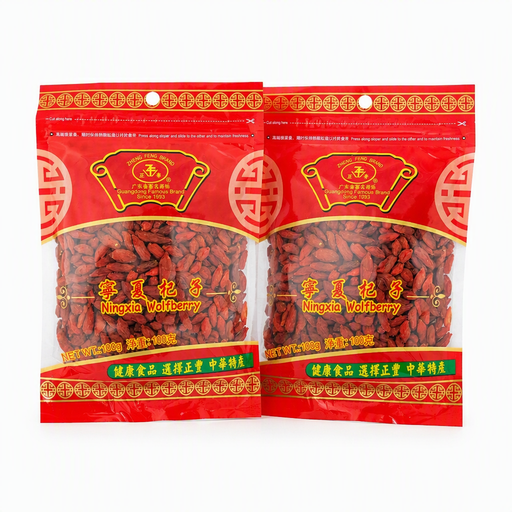 No image available
Wolfberries can be considered as a dried-fruit addition to a meal rather than its main protein food. This is a 100g ×2 pack; follow the product’s preparation instructions before eating.
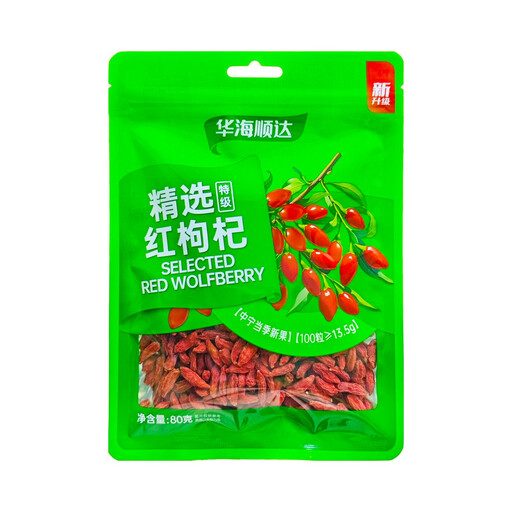 No image available
The 80g pack is an option for adding goji berries to a meal. Check its current ingredient and allergen information and follow its cooking instructions before use.
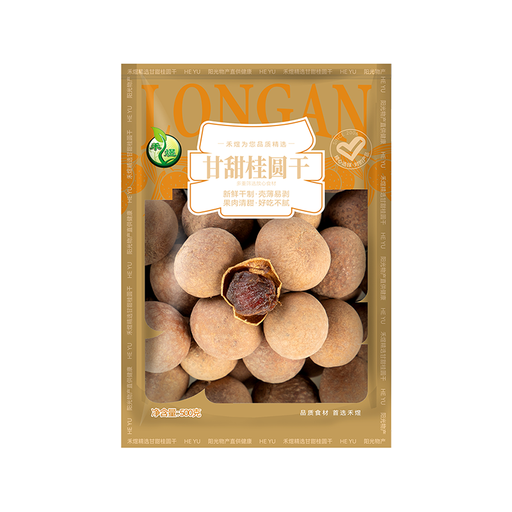 No image available
Dried longan can be used as an addition to a protein-centred meal, rather than relied on for its protein. The pack contains 500g; follow its washing and cooking instructions and measure the amount you use.
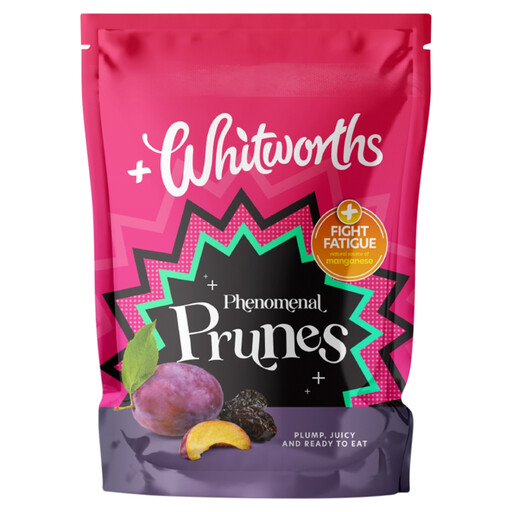 No image available
These prunes are a dried-fruit option for adding to a meal, not a replacement for its main protein food. Check the 190g pack’s current ingredients and allergen declaration, including any preservative information relevant to you.
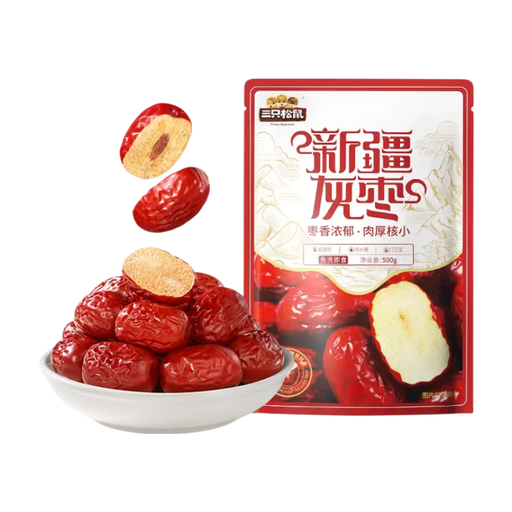 No image available
Red dates can be measured out for use in a meal where another food supplies the main protein. This is a 500g pack; check its current ingredient and allergen information before use.
No: use it as an addition to a meal or snack built around a suitable protein food. Cambridge University Hospitals NHS Foundation Trust identifies foods including meat, fish, eggs and dairy as protein foods; compare the protein per serving of anything you plan to use.
No. Check both the ingredients and any precautionary “may contain” wording on the exact current pack. The Food Standards Agency explains that precautionary allergen labelling communicates a possible unintended presence of an allergen.
The Food Standards Agency identifies sulphur dioxide and sulphites as ingredients often used in dried fruit, including those three types. If sulphites are relevant to your requirements, read the ingredients and allergen declaration for the particular product rather than judging by fruit type alone.
NHS guidance describes around 30g as an adult dried-fruit portion and advises eating dried fruit as part of a meal rather than between meals. Measure the amount you use instead of treating the whole pack as a portion.
No. A brand can sell plain fruit and mixes with different ingredients and precautionary statements. Check the current details for the exact variant and its physical pack before eating it.