What should you check?
Start with the walk’s duration and the portion you intend to carry, then check that portion’s nutrition and ingredient information.
| Priority |
What to check |
Your needs |
| Fat and carbohydrate |
Compare both figures for the stated serving, not just per 100g. ASDA Groceries lists less than 0.5g fat and 22g carbohydrate per 30g of its Seedless Raisins; Sainsbury's lists less than 0.5g fat and 17.3g carbohydrate per 30g of its Apple Rings. |
I want fruit I can portion for the walk while keeping an eye on fat. The amount of carbohydrate in that portion matters too. |
| Walk duration |
Consider whether fruit is one snack or part of a wider food plan. In exercise and glucose-management guidance, University College London Hospitals NHS Foundation Trust distinguishes carbohydrate-only snacks for 60 minutes to two hours from carbohydrate-and-protein combinations for longer activity. |
For an all-day walk, I do not want to assume that a packet of fruit covers everything I plan to eat. If I consider a fruit-and-nut mix, I will check its fat as well as its protein. |
| Portion and sugars |
Read the sugars figure for the portion you will carry. ASDA Groceries lists 21g sugars per 30g of its Seedless Raisins. The NHS uses 30g dried fruit as a 5 A Day portion reference and advises eating dried fruit at mealtimes rather than between meals to reduce tooth-decay risk. |
A small box and a bag I portion myself are different packing choices. I want a clear serving size rather than grazing from a large bag throughout the walk. |
| Ingredients and warnings |
Check the current pack for sulphites, added ingredients and relevant allergy or may-contain statements. The Food Standards Agency identifies sulphites as an ingredient often used in dried fruit; the declarations on individual products differ. |
If I need to avoid a particular ingredient or allergen, the exact pack matters more than the type of fruit pictured on the front. |
Relevant brand and retailer ranges
These are examples of dried-fruit formats and label differences, not a list of products available in the Joybuy selection below.
Whitworths
Whitworths lists individually portioned Sunny Raisins alongside fruit-and-nut mixes.
- According to Whitworths, each 14g Sunny Raisins box contains 0.1g fat and 10.7g carbohydrate.
- Its 1DERS fruit-and-nut mix lists 4.1g protein and 7.1g fat per 30g, so check the mix rather than assuming it has the same fat profile as a raisin box.
ASDA
ASDA Groceries lists own-label raisins in larger packs that can be divided into walking portions.
- Its Seedless Raisins list less than 0.5g fat and 22g carbohydrate per 30g.
- Its Three Raisin Mix lists sulphur dioxide in the ingredients and a may-contain warning for peanuts and nuts; check the particular pack.
Sainsbury's
Sainsbury's lists own-label Apple Rings and also carries BEAR Dried Mango packs.
- Sainsbury's Apple Rings list less than 0.5g fat and 2.1g fibre per 30g.
- Those Apple Rings list sulphur dioxide. The separately branded BEAR Dried Mango is labelled no sulphites; declarations are product-specific.
M&S
M&S lists dried pineapple among its fruit snacks.
- Marks & Spencer lists 0.4g fat per 100g of its Dried Pineapple.
- The same product lists sulphites and is marked unsuitable for people with a nut, peanut or sesame allergy.
Tesco
Tesco Groceries lists dried-fruit formats including raisins, sultanas, dates, prunes and mango.
- The range gives shoppers several fruit formats and pack types to compare.
- Check the nutrition, ingredients and allergy information for the individual Tesco product you intend to pack.
Dried-fruit options on Joybuy
These raisin, date, prune, mango and fig packs are options to consider when packing fruit for a hike. Check each product’s current label for fat, sugars, ingredients and serving size before deciding which meets your needs.
 No image available
Organix Goodies Raisins 12+ Months, 12 x 14g
The 12 x 14g format is worth considering if separate small boxes suit your packing plan. Check the nutrition for a box and how many boxes you intend to carry; the product is labelled 12+ Months.
View on Joybuy
 No image available
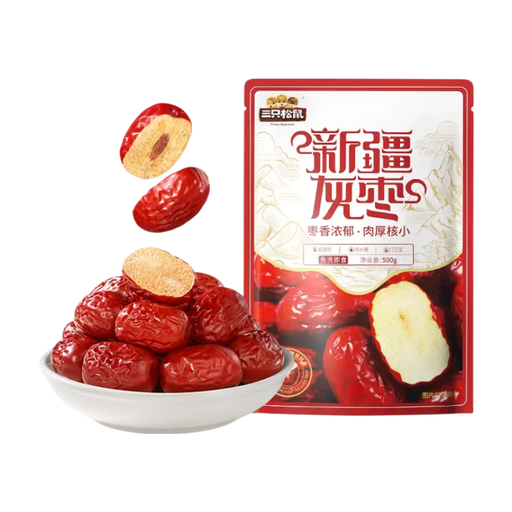
Three Squirrels Red Dates 500g
The 500g pack is a larger format to portion before a walk. Check the pack’s fat and sugars figures for the amount you plan to take, along with its ingredients and any stone or seed advice.
View on Joybuy
 No image available
J.ZAO Prebiotic Pitted Chilean Prunes 500g
These are labelled pitted prunes in a 500g pack. For a hike, check the portion you will carry, the fat and sugars figures, the ingredient list and any warning about pit fragments.
View on Joybuy
 No image available
Be&Cheery Dried Mango 120g
If you prefer mango to raisins, compare this 120g pack by the portion you expect to eat. Read its current fat and sugars figures and ingredient list, particularly if added ingredients matter to you.
View on Joybuy
 No image available
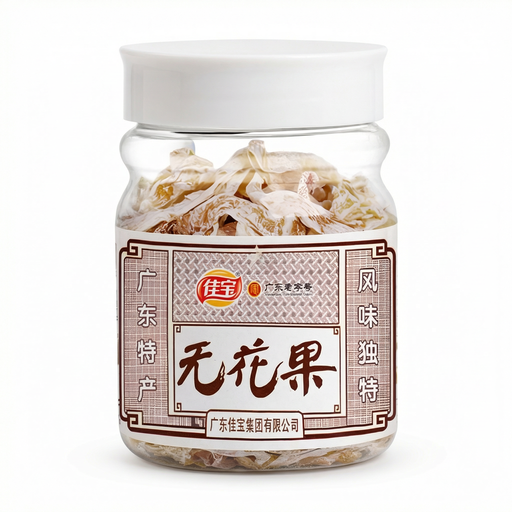
Jiabao Preserved Fig 70g
The 70g pack offers another portion size to consider for a walk. Because it is labelled preserved fig, check its ingredients as well as its fat, sugars and serving information rather than treating it as interchangeable with plain fruit.
View on Joybuy
Common questions
Is every dried-fruit snack low in fat?
No: check the particular product and serving. ASDA Groceries lists less than 0.5g fat per 30g of its Seedless Raisins, while Whitworths lists 7.1g fat per 30g of its 1DERS fruit-and-nut mix. Those figures describe different products, not all dried fruit.
Is dried fruit enough to pack for an all-day hike?
Do not assume fruit alone covers the food you will want for an all-day walk. In exercise and glucose-management guidance, University College London Hospitals NHS Foundation Trust says a carbohydrate-and-protein mixture can be useful for longer activity such as a long hike, whereas carbohydrate-only snacks can suit activity lasting 60 minutes to two hours.
How should I compare portion sizes?
Compare nutrition for the amount you actually plan to carry, since a small box, a stated serving and a whole bag can differ considerably. The NHS uses 30g dried fruit as one 5 A Day portion, but that figure is not a prescribed amount of food for a hike.
Do sulphite and nut warnings vary between products?
Yes. The Food Standards Agency says sulphites are often used in dried fruit; BEAR Dried Mango is labelled no sulphites, while Marks & Spencer lists sulphites in its Dried Pineapple and marks that product unsuitable for people with a nut, peanut or sesame allergy. Read the current physical-pack label for the product you choose.
What about eating dried fruit throughout a walk?
The NHS advises eating dried fruit at mealtimes rather than as a between-meal snack to reduce tooth-decay risk. That advice remains a consideration when deciding how and when to eat the portions you pack for a hike.


