Hosts with children of different ages
A lower-fat label is only one consideration when the youngest guests may need dried fruit prepared differently. Check the age guidance, ingredients and allergens before deciding what to serve.


If lower fat is the priority, compare plain dried fruit with fruit-and-nut mixes using the fat figures per 100g: Whitworths lists 0.5g for its 1DERS Fruit Variety Pack and 23.6g for its 1DERS Energising Fruit and Nut Mix. That comparison does not settle whether a pack suits every guest. The NHS advises serving dried fruit to toddlers with meals rather than between meals, while the Department for Education says whole dried fruit must be cut into small pieces for babies under one; check the exact pack’s ingredients and allergens too.
A lower-fat label is only one consideration when the youngest guests may need dried fruit prepared differently. Check the age guidance, ingredients and allergens before deciding what to serve.
Small packs make it straightforward to set out portions, but the serving occasion still matters for toddlers. Read each pack’s ingredients and nutrition information rather than judging it by its size.
Plain fruit and fruit-and-nut mixes need different ingredient checks. Whitworths’ 1DERS Energising Fruit and Nut Mix lists peanuts and says it may contain nuts and sesame; check the exact plain-fruit pack for its own allergens as well.
Start with the ingredient list and fat per 100g, then consider how and to whom the food will be served. A portion pack does not remove the need for age and allergen checks.
| Priority | What to check | Your needs |
|---|---|---|
| Fat and ingredients | Compare fat per 100g on the same basis. Check whether the ingredients include nuts, seeds, oils or chocolate. Whitworths lists 0.5g fat per 100g for its 1DERS Fruit Variety Pack and 23.6g for its 1DERS Energising Fruit and Nut Mix. | I’m looking for a lower-fat fruit option, not assuming every product containing dried fruit has the same ingredients or fat content. |
| Serving occasion | Check sugars per 100g and the serving size. For toddlers, the NHS advises giving dried fruit such as raisins with meals rather than as a snack between meals because its sugar can cause tooth decay. | If toddlers will be at the party, I need to think about when the dried fruit will be offered, not leave it out for repeated grazing. |
| Age and preparation | Check the shape, texture and any pack warning. Department for Education choking-hazard guidance says not to give babies under one whole raisins or other whole dried fruits; cut them into small pieces. | The youngest guest’s age affects how I prepare the food, even if it comes in an individual snack pack. |
| Allergens | Read the exact pack’s ingredients and allergen statement, including any ‘may contain’ information. Fruit products in the examples include sulphites; some mixes list nuts, peanuts or sesame. | Where guests’ dietary requirements differ, I want to check the specific product rather than assume a plain-looking fruit snack contains only fruit. |
| Pack format | Check the number and size of portions against the guest list. Compare an individual multipack with a larger pack that you would portion yourself. | Individual packs would simplify serving; with a larger pack, I can portion the fruit myself after checking that it suits the children who will eat it. |
Added nuts can change the comparison substantially: Whitworths lists 0.5g fat per 100g for its 1DERS Fruit Variety Pack, compared with 23.6g per 100g for its 1DERS Energising Fruit and Nut Mix.
Compare the fat figures per 100g and read the ingredients before choosing between plain fruit and a mix.
The NHS advises serving dried fruit such as raisins to toddlers with meals, rather than between meals, because its sugar can cause tooth decay.
If the party involves prolonged between-meal snacking, plan another suitable option instead of relying on dried fruit throughout.
Whitworths’ Wondermix contains tree nuts, and its product safety information says it is not suitable for small children who can choke on nuts. Nut-containing mixes also require careful allergen checks.
Check guests’ ages and dietary requirements before serving a mix. For a plain-fruit alternative, check that product’s own allergen statement too.
A small serving does not change the shape or texture of its contents. Department for Education guidance says whole raisins and other whole dried fruits should be cut into small pieces for babies under one.
Read any product warning and prepare food for the youngest child who will eat it; an individual wrapper does not replace that check.
Whitworths provides named examples of both plain dried-fruit packs and fruit-and-nut mixes, making the distinction between those formats particularly clear.
Tesco’s dried-fruit category lists several fruit types, while its fruit-snack category includes multipacks.
Sunsweet is a prune-focused brand for shoppers considering that type of dried fruit.
These two products are shown in their supplied comparison order, using listed fat per 100g, ingredients and age or allergen considerations. This is not a sales ranking or an independent product test; the nut mix is included to show why a dried-fruit name alone does not establish a lower-fat choice.
| Rank | Product | Main specifications | Reasons and limits | Platform |
|---|---|---|---|---|
| 1 | Whitworths Sunny Fruit Mix-Ups Apricots & Mango, 4 × 18g | Joybuy lists 0.5g fat per 100g and 4 × 18g servings; Tesco lists the same pack format. | Individual fruit portions fit a lower-fat comparison with the nut mix below. The Joybuy product information also lists sulphites and 51.8g sugars per 100g, so check allergens and the serving occasion. | Tesco |
| 2 | Whitworths Wondermix Fight Fatigue Fruit & Nut, 105g | Joybuy lists 26.4g fat per 100g and ingredients including cashews, pecans and pistachios. | This is a contrasting fruit-and-nut product, not the lower-fat option in this pair. Joybuy’s product safety information says it is not suitable for small children who can choke on nuts; check its allergen information for the guest group. | Joybuy |
These Joybuy options include dried-fruit packs and a fruit-shaped snack for party shopping. Compare each product’s ingredients, pack warnings and serving format: the fruit stars are not plain dried fruit, and some options have specific age or nutrition considerations.
 No image available
The individually wrapped prunes offer a portioned dried-fruit format. Pitted does not mean suitable for every age without preparation: follow the Department for Education’s guidance to cut whole dried fruit into small pieces for babies under one. For toddlers, the NHS advises serving dried fruit with meals rather than between them.
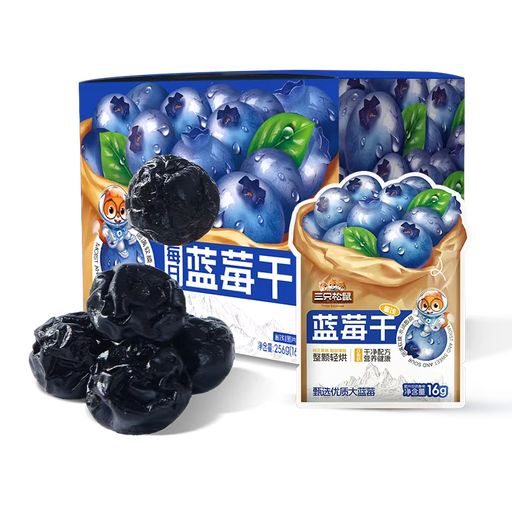 No image available
The 16 individual packs provide a defined serving format. This product contains added sugar, so compare its ingredients and sugars information with other fruit packs. Cut whole dried fruit into small pieces if serving it to a baby under one, in line with Department for Education guidance.
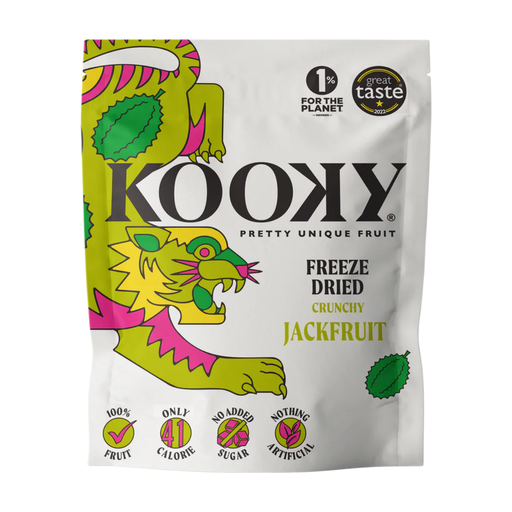 No image available
This is a small freeze-dried fruit pack, but its stated warning says it is not suitable for children under four because of its dry, crisp texture. Check the guest ages before considering it for a party.
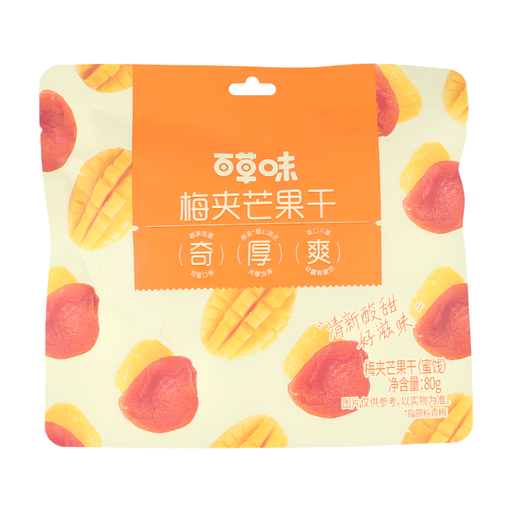 No image available
The small bags offer a portioned mango-and-plum format, but the product information raises a substantial salt concern and lists added sugar and preservatives. Check the salt figure and ingredients on the pack before choosing it for children; do not judge it by its dried-fruit format alone.
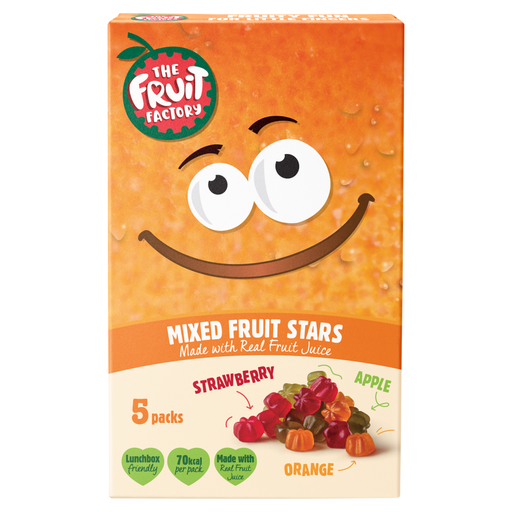 No image available
These portioned fruit gums are not plain dried fruit; the product information lists glucose syrup and sugar. It also carries a choking warning for children under 36 months, so check ages and ingredients rather than treating the fruit shape as a guide to suitability.
No. Compare fat per 100g if that is your priority, but check sugars, ingredients, allergens and the ages of the children separately. Whitworths lists 0.5g fat per 100g for its 1DERS Fruit Variety Pack and 23.6g for its 1DERS Energising Fruit and Nut Mix; neither figure answers those other questions.
The NHS advises giving toddlers dried fruit such as raisins with meals rather than as a snack between meals, because the sugar it contains can cause tooth decay. If the plan is prolonged between-meal snacking, choose another suitable option for that part of the party.
Do not give them whole raisins or other whole dried fruits. Department for Education choking-hazard guidance says to cut these foods into small pieces; an individual snack pack does not replace age-appropriate preparation.
Read the ingredients and allergen statement on the exact pack, including any ‘may contain’ wording. The named fruit and nut mixes show why this matters: ingredients or warnings can include nuts, peanuts, sesame or sulphites, depending on the product. Do not transfer one pack’s allergen information to another.