Lunch packers comparing fat labels
If you want dried fruit with lunch, check the whole product rather than assuming a chocolate-coated or nut-containing fruit snack has the same fat content as plain dried fruit.


For a low-fat dried-fruit addition to lunch, compare fat per 100 g with the 3 g threshold listed for solid foods in the nutrition-claims annex at legislation.gov.uk; a reduced-sugar message or fruit in the name does not establish that a coated snack meets it. Choose a small pack if portioning matters, or compare prune labels if fibre is your priority. The NHS advises eating dried fruit with meals rather than between them.
If you want dried fruit with lunch, check the whole product rather than assuming a chocolate-coated or nut-containing fruit snack has the same fat content as plain dried fruit.
If labelled fibre matters to you, compare products per 100 g. M&S lists 7.9 g fibre per 100 g for its Organic Soft Prunes, while Ocado lists 8.3 g per 100 g for Crazy Jack Organic Soft Prunes.
A small raisin pack is straightforward to put in a lunch bag, but check its weight against the amount you intend to eat. Whitworths Sunny Raisins come in 14 g packs; the NHS uses 30 g of dried fruit for one 5 A Day portion.
Start with fat per 100 g, then decide whether the pack size and opened-pack instructions work for your lunch routine.
| Priority | What to check | Your needs |
|---|---|---|
| Fat and ingredients | Read fat per 100 g and the ingredient list, including coatings or added fats. The nutrition-claims annex at legislation.gov.uk lists no more than 3 g fat per 100 g as the condition for a low-fat claim on solid foods. | I want a fruit snack whose full nutrition label fits my low-fat criterion, not one that merely carries a reduced-sugar message. |
| Meal and portion | The NHS says 30 g of dried fruit counts as one 5 A Day portion and advises eating dried fruit at mealtimes rather than between meals to reduce tooth-decay risk. Compare an individual pack’s weight with 30 g. | A small pack is useful in my lunch bag, but I do not want to mistake a 14 g pack for the NHS 30 g portion. |
| Fibre and format | Compare fibre figures on the same per-100 g basis: M&S lists 7.9 g for its Organic Soft Prunes, and Ocado lists 8.3 g for Crazy Jack Organic Soft Prunes. Check whether a larger pouch needs portioning before you leave. | If fibre is important to my choice, I want a labelled figure I can compare and a portion I can pack for lunch. |
| Stones and storage | Check prune packs for stone warnings and read the instructions for storing them after opening. M&S says to reseal its Organic Soft Prunes and eat them within 7 days; Ocado lists refrigeration and use within 14 days for Crazy Jack Organic Soft Prunes. | I need to know whether the fruit requires care when served and whether I can finish an opened pouch as directed. |
Whitworths lists 19.8 g fat per 100 g for its milk-chocolate raisins, despite a reduced-added-sugar comparison on that product. The nutrition-claims annex at legislation.gov.uk lists 3 g fat per 100 g as the low-fat threshold for solid foods.
Check fat per 100 g on the particular pack, then read its ingredients for chocolate, nuts or added fats.
The NHS advises having dried fruit at mealtimes rather than between meals to reduce the risk of tooth decay.
Pack the amount you plan to eat with lunch instead of leaving an open bag for grazing throughout the afternoon.
A Whitworths Sunny Raisins pack contains 14 g; the NHS says 30 g of dried fruit counts as one 5 A Day portion.
Check the individual pack weight rather than assuming every lunchbox pack represents the same portion.
Both the M&S and Crazy Jack prune listings warn that stones or pits may remain. Their stated instructions after opening also differ.
Read the warning before serving prunes, particularly to children, and follow the storage and use-by-opening instructions on the pack you buy.
These examples show why the exact product label matters more than a brand name when comparing dried fruit for lunch.
Its Organic Soft Prunes are a ready-to-eat pouch option for shoppers comparing labelled fat and fibre.
Its fruit-snack range includes dried fruit and coated products, so compare the label of the specific item.
Its dried-fruit formats include small raisin packs as well as coated fruit snacks with different nutrition values.
These raisin, prune and pineapple products offer different pack formats to consider for lunch. Check each current label for the fat figure, ingredients and storage instructions that matter to you.
 No image available
The 12 x 14 g format provides small units to pack with lunch. One 14 g unit is below the NHS 30 g dried-fruit portion, so check the amount you intend to serve.
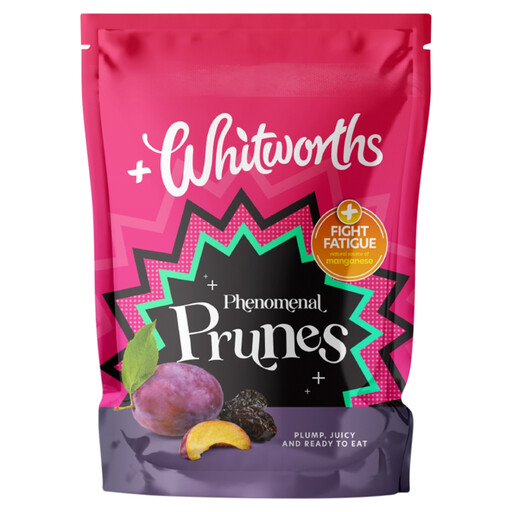 No image available
The 190 g pack is a larger prune option if you plan to portion dried fruit for individual lunches. Check its current fibre figure, stone warning and opened-pack instructions.
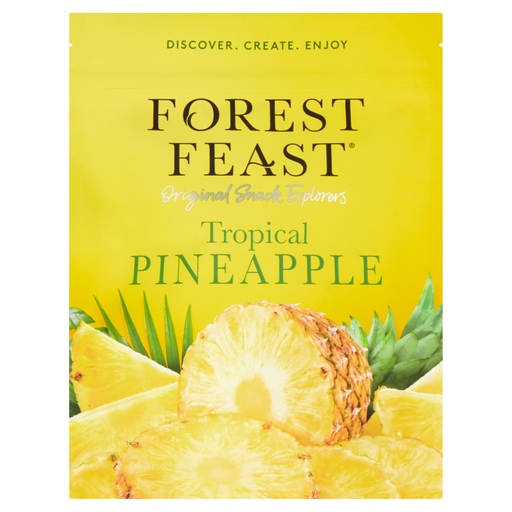 No image available
This 120 g pineapple pack is an alternative to raisins or prunes if you are willing to portion a larger pack for lunch. Check the ingredient list and fat per 100 g on the current label.
 No image available
These pitted Chilean prunes are described in the product name as individually wrapped, which may suit lunches packed from a larger 500 g quantity. Check the ingredients and each wrapper’s weight; pitted fruit should still be handled with care.
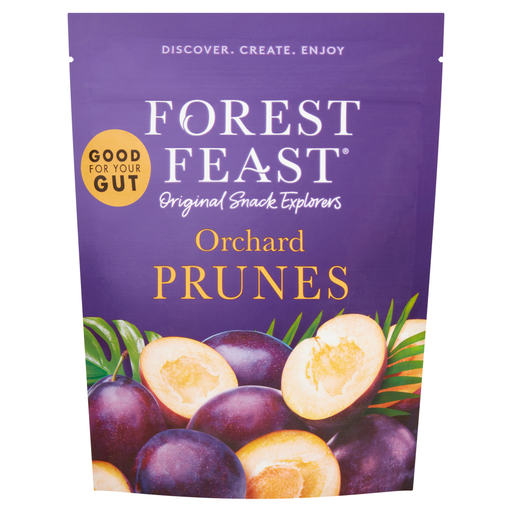 No image available
The 200 g pack gives you prunes to portion for lunches rather than a stated single-serving format. Check its current nutrition label, stone warning and storage directions before packing it.
The NHS advises eating dried fruit at mealtimes rather than between meals to reduce the risk of tooth decay. It says 30 g of dried fruit counts as one 5 A Day portion.
No: a reduction describes a comparison, while the nutrition-claims annex at legislation.gov.uk lists no more than 3 g fat per 100 g as the low-fat condition for solid foods. Check the product’s per-100 g figure; do not infer a fat reduction without an identified comparison product.
Read the finished product’s fat per 100 g and ingredient list. Whitworths lists 19.8 g fat per 100 g for its milk-chocolate raisins, above the 3 g per 100 g low-fat threshold listed for solid foods in the nutrition-claims annex at legislation.gov.uk, despite that product’s reduced-added-sugar comparison.
Read the stone warning and the instructions for an opened pack. The M&S Organic Soft Prunes listing warns of possible stones and says to reseal and eat within 7 days; the Ocado listing for Crazy Jack Organic Soft Prunes warns that pits may remain and says to refrigerate after opening and use within 14 days.
No. One Whitworths Sunny Raisins pack is 14 g, while the NHS specifies 30 g of dried fruit for one 5 A Day portion. A smaller pack can still form part of lunch; check its weight rather than treating it as a 30 g portion.