Students keeping fat low at lunch
If dried fruit is going into a lecture lunch, compare the fat figure on packs of plain fruit and fruit-and-nut mixes. Check sugars and decide how much to pack as well.


For a lecture lunch where keeping fat low is the priority, start with plain dried fruit or a fruit-only snack rather than assuming a fruit-and-nut mix has the same nutritional profile. Marks & Spencer lists 0.4g fat per 100g for M&S Mixed Dried Fruit, while Whitworths lists 23.6g per 100g for its 1DERS fruit-and-nut mix. Compare packs on a per-100g basis, then check sugars, the amount you plan to pack, ingredients and allergens.
If dried fruit is going into a lecture lunch, compare the fat figure on packs of plain fruit and fruit-and-nut mixes. Check sugars and decide how much to pack as well.
Similar-looking fruit snacks can have different ingredients and allergen statements. Check the particular pack for sulphites, peanuts, nuts and sesame where these matter to you.
A single pack gives you a set amount to carry. With a larger bag, you can put some into a small container before leaving rather than taking the whole bag into a lecture.
Decide whether the lunch calls for plain fruit in a portion you prepare or a ready-portioned snack. Then compare the nutrition and ingredient information on the actual packs.
Consider it: When keeping fat low is the main aim and you can portion fruit from a larger bag.
Check: Low fat does not mean low sugar; Marks & Spencer lists 68.8g sugars per 100g for M&S Mixed Dried Fruit.
Consider it: When taking a set amount to a lecture is more convenient than filling a container yourself.
Check: A small pack still needs a look at its sugars, ingredients and allergens.
Consider it: When you want nuts in the snack and keeping fat low is not the deciding factor.
Check: Whitworths lists 23.6g fat per 100g for its 1DERS mix, which contains peanuts and may contain nuts and sesame.
| Priority | What to check | Your needs |
|---|---|---|
| Fat | Compare fat per 100g, then check the amount you expect to eat. Marks & Spencer lists 0.4g per 100g for M&S Mixed Dried Fruit; Whitworths lists 23.6g per 100g for its 1DERS fruit-and-nut mix. | Keeping fat low matters more to me than including nuts in this lunch. |
| Sugars | Read sugars per 100g and for your planned portion. Marks & Spencer lists 68.8g sugars per 100g for M&S Mixed Dried Fruit; ASDA Groceries lists 70g per 100g for ASDA Seedless Raisins. | I want to compare sugars as well as fat, rather than choosing by the fat figure alone. |
| Portion | Check the pack size and any per-serving figures. The BEAR Fruit Yoyo listed by ASDA Groceries is a 20g portion; a larger bag needs portioning if you do not want to carry the whole pack. | A set-size snack is easier for my lecture bag, or I can prepare a small portion before leaving. |
| Ingredients | Read the full ingredients and allergy statement. Sainsbury's lists sulphur dioxide in its Apple Rings; Whitworths lists peanuts and possible nut and sesame cross-contact for its 1DERS mix. | I need to check the exact product for ingredients or allergens that matter to me. |
Marks & Spencer lists 0.4g fat and 68.8g sugars per 100g for M&S Mixed Dried Fruit. One figure does not describe the other.
Compare both columns on the nutrition panel and check the figures for the amount you intend to pack.
Whitworths lists 23.6g fat per 100g for its peanut-containing 1DERS mix, compared with the 0.4g per 100g Marks & Spencer lists for M&S Mixed Dried Fruit.
If keeping fat low is your priority, compare the mix with plain-fruit options before choosing it. Check its allergen statement too.
ASDA Groceries lists sweetened cranberries and juice-infused cherries and blueberries in its Raisins, Berries & Cherries mix. Sainsbury's lists sulphur dioxide in its Apple Rings.
Read the ingredients and allergy information, particularly if you are avoiding added sweeteners or a specific allergen.
The pack you buy is the practical source for checking what you will eat.
Read its current nutrition, ingredients, allergy and storage information before putting it in your lunch bag.
These examples show why the particular product matters more than the brand name when comparing fat, sugars and ingredients.
Its Mixed Dried Fruit is a plain vine-fruit mix to compare when fat is the main criterion.
Its Apple Rings provide a single-fruit snack example rather than a fruit-and-nut mix.
Its own-label examples include plain raisins and a berry-and-cherry mix with a different ingredient list.
Its dried-fruit range includes individual fruit products and mixed fruit.
Its fruit-and-nut mix illustrates why plain fruit and nut-containing snacks need separate nutrition comparisons.
These options include dried fruit in small packs, larger packs and a fruit-based strip. Use the pack size to plan what to carry, and check each product's current nutrition and ingredients against your low-fat priority.
 No image available
The 30g sachets provide a set amount to put in a lecture bag. These are whole dates with pits, which need removing before eating; check the pack's nutrition and ingredients for your other priorities.
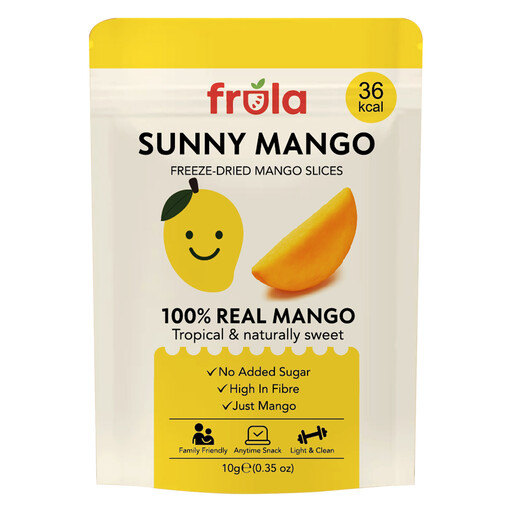 No image available
The 10g pack is a small, ready-portioned fruit option for a lecture bag. Check its fat and sugars on the nutrition panel rather than assuming the small pack size settles either comparison.
 No image available
The 500g pack contains individually wrapped prunes, which can be taken out for lunch. Check the ingredients if you want plain fruit: this product lists low-polymer isomaltose.
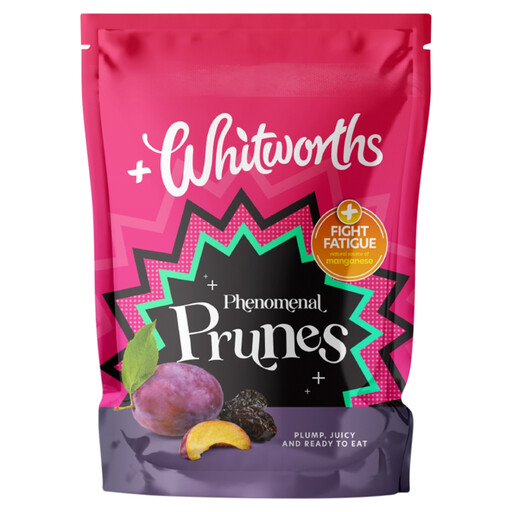 No image available
Portion some from the 190g bag before leaving if you do not want to carry the whole pack. The ingredients include potassium sorbate; compare the pack's fat and sugars with other prunes you are considering.
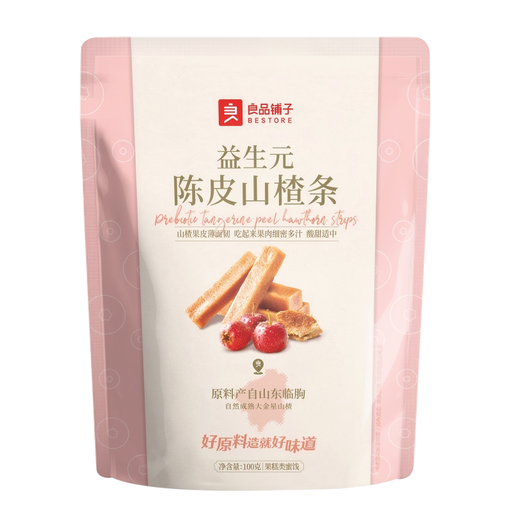 No image available
This 100g fruit-based strip offers a different format from loose dried fruit. It contains added sugar and agar, so check its ingredients and nutrition if you are comparing it with plain fruit.
Not necessarily. Marks & Spencer lists 0.4g fat alongside 68.8g sugars per 100g for M&S Mixed Dried Fruit; ASDA Groceries lists 1.2g fat and 70g sugars per 100g for ASDA Seedless Raisins. Compare both figures and the amount you intend to eat.
Check the specific mix before choosing it for that purpose. Whitworths lists 23.6g fat per 100g for its peanut-containing 1DERS mix, compared with the 0.4g per 100g Marks & Spencer lists for M&S Mixed Dried Fruit. The Whitworths mix also contains peanuts and may contain nuts and sesame.
Choose a set-size pack or put some dried fruit from a larger bag into a small container before leaving. For a sense of pack sizes rather than a personal dietary target, the BEAR Fruit Yoyo listed by ASDA Groceries is a 20g portion, while Whitworths describes 30g as a dried-fruit serving in its own educational material.
Yes—read the current pack's ingredients and allergy statement. Sainsbury's Apple Rings contain sulphur dioxide, while Whitworths 1DERS fruit-and-nut mix contains peanuts and may contain nuts and sesame; one product's statement cannot stand in for another's.