What should you check?
Compare nutrition on the same stated quantity, then choose a pack format that fits how you will serve the fruit at lunch.
| Priority | What to check | Your needs |
|---|
| Fat content |
Compare fat per 100g or per stated serving on the same basis. ASDA Groceries lists 0.2g per 30g for Whitworths Amazing Apricots; Tesco lists 0g per 100g for Sunsweet Stoned Prunes. |
I want a fruit addition that fits my low-fat preference without assuming a reduced-fat label is necessary. |
| Ingredients and sugars |
Read the full ingredient list, then compare sugars on equivalent serving sizes. ASDA Groceries lists candied peel, glucose-fructose syrup and sugar in its Mixed Fruit, with 20g sugars per 30g. |
If I want fruit without added sweetening or oil, the product name alone will not answer that question. |
| Portion and timing |
Check whether the bag needs measuring or contains 30g packs. The NHS says 30g dried fruit counts as one 5 A Day portion and advises eating dried fruit at mealtimes to reduce tooth-decay risk. |
A portion set aside for lunch suits me better than an open bag beside my desk. |
| Allergens and warnings |
Check the exact pack for sulphites and other allergen declarations, plus stone or pit warnings. The Food Standards Agency notes that sulphites are often used in dried fruit. |
Where an ingredient or remaining pit matters to me, I need the declaration and warning for the fruit I am actually buying. |
Brand and retailer references
These examples show why pack format and product-level labels matter; a brand or retailer name does not establish the ingredients of every item in its range.
Whitworths
Its dried-fruit range includes bagged apricots and a 1DERS variety multipack with individual 30g apricot or mango packs.
- ASDA Groceries lists 0.2g fat and 2.0g fibre per 30g for Whitworths Amazing Apricots.
- The cited apricots and Whitworths 1DERS pack list sulphites; check the exact pack if these matter to you.
Sunsweet
Tesco’s listing for Sunsweet Stoned Prunes provides an example of a larger prune pack to portion at home.
- The cited listing states 0g fat and 7.1g fibre per 100g and makes a no-added-sugar claim.
- It warns that an occasional pit or partial pit may remain despite mechanical pitting.
Tesco
Tesco lists the cited Sunsweet Stoned Prunes with product-level nutrition and warning information.
- Its prune listing allows a check of fat and fibre per 100g before choosing a portion.
- Read the delivered pack when ingredients, allergens or warnings are important to your decision.
Sainsbury's
Its dried-fruit category lists formats from 35g mango and 40g apricots to 500g and 1kg mixed-fruit bags.
- The listed sizes give a choice between a small pack and fruit to portion from a larger bag.
- Check the individual product label rather than assuming different fruits and mixes have the same ingredients.
Asda
ASDA Groceries lists both the cited Whitworths apricots and an ASDA Mixed Fruit product.
- The Whitworths apricot listing gives fat and fibre values per 30g.
- The separate Mixed Fruit listing includes candied peel, glucose-fructose syrup and sugar; compare products individually.
M&S
Its fruit-snack catalogue includes dried fruit, medleys and organic options, as well as a no-added-sugar filter.
- The catalogue offers several fruit-snack formats to consider for lunch.
- Use the exact product page or pack to check nutrition, ingredients and allergens before relying on a dietary claim.
Dried fruit options on Joybuy
These options include bagged figs, dates and prunes, 30g red-date sachets and individually wrapped prunes. For a work-from-home lunch, choose between measuring fruit from a bag and using an individually packed format, then check the exact label for your ingredient and allergen needs.
 No image available
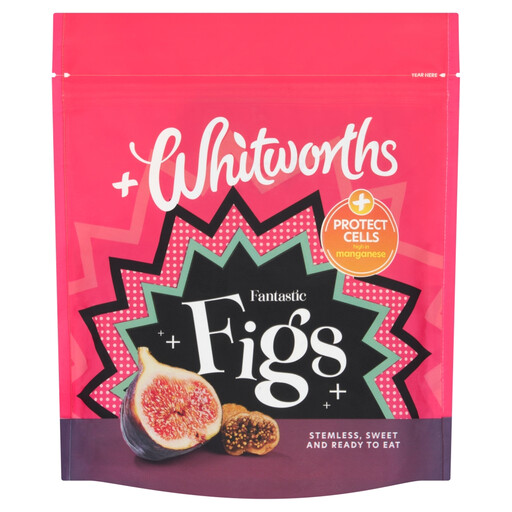
Whitworths Figs 175g
Bagged figs offer a fruit component to measure out for lunch. Check the pack’s ingredient and allergen information if either affects your choice.
View on Joybuy
 No image available
Hao Xiang Ni Ready-to-Eat Red Dates 900 g (30 x 30 g)
The 30g sachets provide a defined amount to add to lunch, matching the quantity in NHS dried-fruit portion guidance. Take care when eating these dates because they contain pits.
View on Joybuy
 No image available
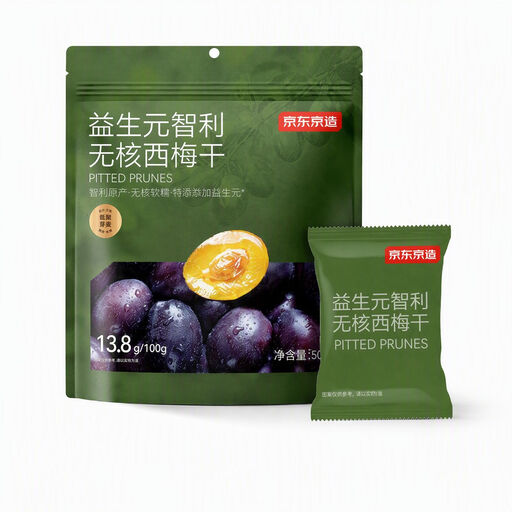
J.ZAO Pitted Chilean Prunes 500g
Individually wrapped prunes offer an alternative to serving fruit from an open bag. Check the pack for portion information, ingredients and any pit warning before choosing them for lunch.
View on Joybuy
 No image available
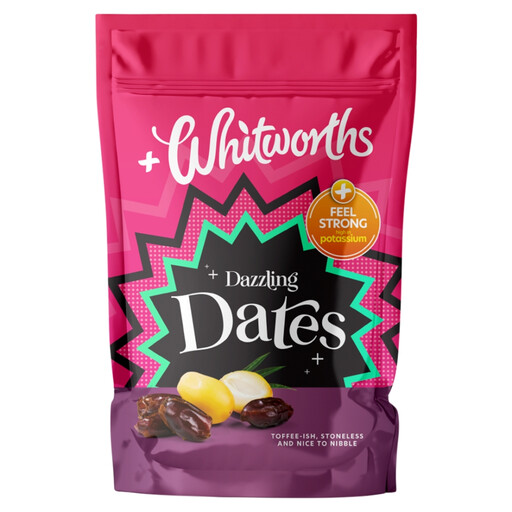
Whitworths Dates 300g
This 300g bag can be portioned for a work-from-home lunch. Its listed ingredients include sunflower oil, so check the label if you want a fruit-only product, and heed its warning about possible shell fragments.
View on Joybuy
 No image available
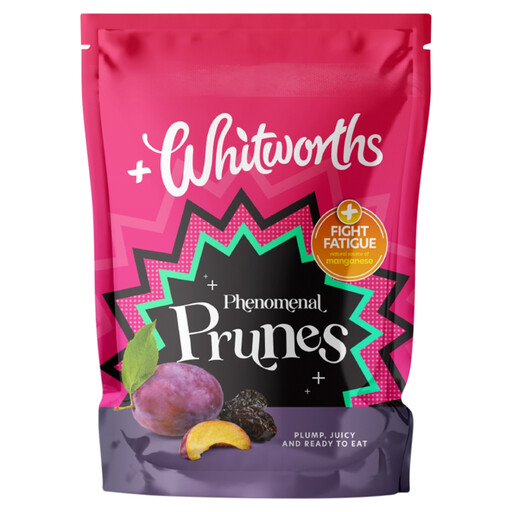
Whitworths Snacking Prunes 190g
The 190g bag is a prune option to portion out for lunch. Its listed ingredients include potassium sorbate, which matters if you are looking for a fruit-only ingredient list.
View on Joybuy
Frequently asked questions
Do I need dried fruit labelled reduced fat for lunch?
Not necessarily. ASDA Groceries lists 0.2g fat per 30g for Whitworths Amazing Apricots, while Tesco lists 0g per 100g for Sunsweet Stoned Prunes. Compare the exact pack’s fat value on a consistent quantity, especially if you are considering a fruit-and-nut mix instead of fruit alone.
How much dried fruit counts as one 5 A Day portion?
The NHS says 30g of dried fruit counts as one 5 A Day portion. You can measure it from a larger bag or choose an individual 30g pack to have with lunch.
Is dried fruit better eaten with lunch than between meals?
The NHS advises eating dried fruit at mealtimes rather than as a between-meal snack to reduce tooth-decay risk. If you work from home, setting it aside as part of lunch follows that guidance more closely than repeatedly eating from a desk-side bag.
Are mixed dried fruit and cranberries always unsweetened?
No. ASDA Groceries lists candied peel containing glucose-fructose syrup and sugar in its Mixed Fruit; Holland & Barrett lists sugar and sunflower oil in its dried cranberries. Read the ingredients and compare sugars per stated serving on the products you are choosing between.
Should I check dried fruit for sulphites?
Yes, if sulphites affect your choice. The Food Standards Agency notes that they are often used in dried fruit, and the cited Whitworths apricots declare sulphur dioxide. Check the allergen declaration on the exact pack before eating.


