People packing lunch for work or travel
An individually packed portion is easy to put in a bag. If it is intended to be the dried-fruit portion of lunch, check the weight of the inner pack rather than the weight of the whole multipack.


For a dried-fruit portion with lunch, start by checking for a 30g individual pack: UK oral-health guidance uses 30g as one portion of dried fruit. A smaller box can work as a lunch add-on, while fruit-and-nut mixes need separate ingredient and allergen checks. For toddlers, the NHS advises giving dried fruit with meals rather than between them because its sugars can cause tooth decay.
An individually packed portion is easy to put in a bag. If it is intended to be the dried-fruit portion of lunch, check the weight of the inner pack rather than the weight of the whole multipack.
A small raisin box can be a lunch add-on, but its weight may differ considerably from a 30g dried-fruit portion. For toddlers, the NHS advises serving dried fruit with meals rather than between them.
Plain fruit, dried apricots and fruit-and-nut mixes have different ingredient lists. Check the current pack for nuts, sesame warnings and sulphites where these matter to the person eating it.
Choose the individual pack size first, then check whether its ingredients and intended eating occasion suit the lunch you are packing.
| Priority | What to check | Your needs |
|---|---|---|
| Portion size | Check the weight of one inner pack, not just the outer box. GOV.UK oral-health guidance cites 30g as one dried-fruit portion; Tesco lists 14g per raisin box. | I want the dried fruit to be a portion with lunch, rather than just a small addition to it. |
| Meal timing and sugars | Compare sugars for the pack you will eat, keeping its weight in view. Tesco lists 8.4g sugars per 14g raisin box; Sainsbury’s lists 14.6g per 40g apricot pack. The NHS advises giving toddlers dried fruit with meals, not between them. | For a toddler’s lunch, I’d pack dried fruit with the meal instead of offering it as a separate snack later. |
| Ingredients and allergens | Read the current ingredient and allergen statements. Sainsbury’s dried apricots list sulphur dioxide; Whitworths 1Ders lists peanuts and may contain nuts and sesame. | If I’m packing lunch for someone with an allergy or intolerance, I need to check the exact product rather than assume every fruit bag is alike. |
| Pack format | Check the number and weight of individual packs. Whitworths Sunny Raisins are listed as 6 × 30g, Tesco raisins as 12 × 14g, and Sainsbury’s dried apricots as one 40g pack. | Some weeks I want portions ready for several lunches; other times I need just one pack to take with me. |
A 14g box is smaller than the 30g dried-fruit portion cited in GOV.UK oral-health guidance.
Read the weight of one box. Choose a small box deliberately as an add-on, or look for a 30g pack if you want the cited dried-fruit portion.
Whitworths 1Ders contains peanuts and may contain nuts and sesame; its retailer listing also warns that it is not suitable for small children because they can choke on nuts. The M&S mix lists tree nuts and sulphites and carries further allergy warnings.
Check the current pack’s ingredients, allergy statements and age suitability before putting a mix in someone else’s lunch.
The NHS advises giving toddlers dried fruit such as raisins with meals rather than between meals because the sugars can cause tooth decay.
If dried fruit is going into a toddler’s lunchbox, pack it as part of the meal rather than for separate grazing occasions.
Whitworths has a plain raisin multipack and a separate fruit-and-nut snack format relevant to packed lunches.
Tesco’s own-label seedless raisins come in a multipack of small boxes.
Sainsbury’s lists a 40g single-serving dried-apricot pack as an alternative to raisin boxes.
M&S lists Taste Buds raisin snack boxes and a separate fruit-and-nut mix.
Sunsweet’s UK range focuses on prunes and prune-based products.
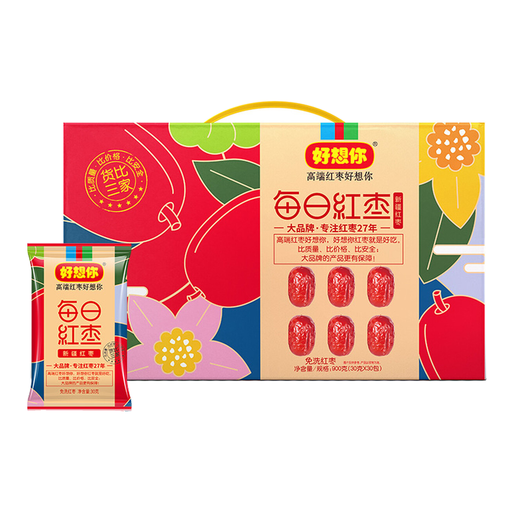
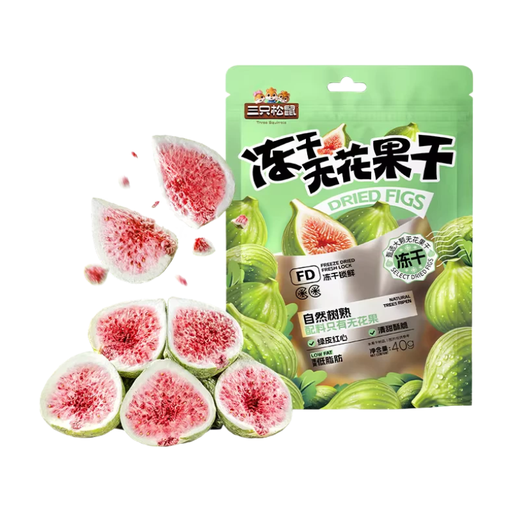
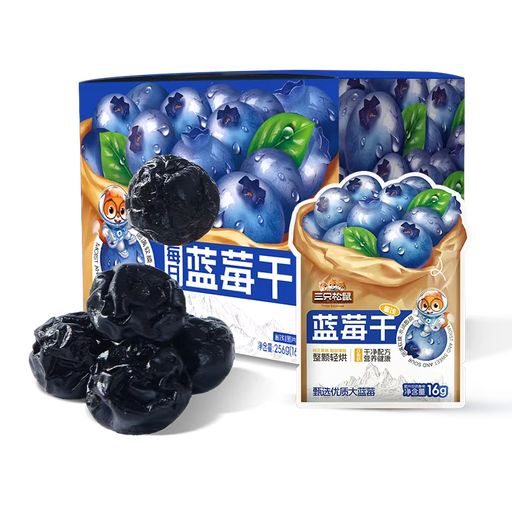
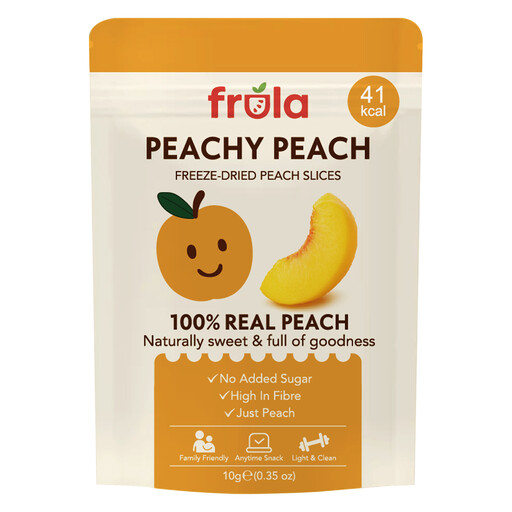
These options include individually packed dates, smaller fruit snacks and single packs of figs or peach. Check each product’s pack weight and current label against the lunch you are planning; they are not all raisin packs.
 No image available
The individual 30g sachets suit repeated lunch packing. The outer pack contains 30 sachets, so check that the quantity suits you; check the current pack for stones and age suitability before serving the dates to a child.
 No image available
This single 40g pack offers a fig option for one lunch. It is not a multipack; check the current ingredients if you need to avoid a particular ingredient.
 No image available
The 16g individual packs are a smaller lunch add-on than a 30g dried-fruit portion. The box contains 16 packs; check the current ingredients if you are looking for plain, unsweetened fruit.
 No image available
This 10g single pack is a small addition to lunch, not the 30g dried-fruit portion cited in UK oral-health guidance. Check the pack ingredients for the intended eater.
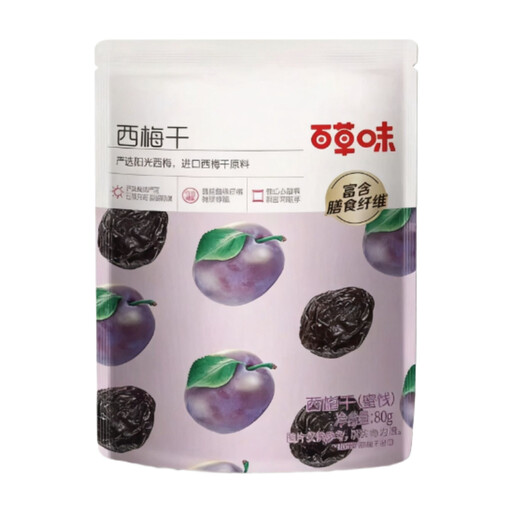 No image available
The 80g outer pack contains 14 small bags, so check the weight of an individual bag when planning a lunch portion. Read the current ingredient list if sweeteners or preservatives matter to you.
It can be a small addition to lunch, but it is not the 30g dried-fruit portion cited in GOV.UK oral-health guidance. Tesco lists 8.4g sugars and 0.7g fibre per 14g raisin box, so compare the individual box with the portion you intend to pack.
The NHS advises giving toddlers dried fruit such as raisins with meals rather than as a snack between meals, because its sugars can cause tooth decay. If you pack it for lunch, include it with the meal rather than as a separate grazing snack.
Only if its ingredients and warnings suit the person eating it. Sainsbury’s lists peanuts in Whitworths 1Ders and warns that it may contain nuts and sesame; the M&S Fruit and Nuts listing names several tree nuts and sulphites and carries peanut, nut and sesame allergy warnings. Check the current pack before packing it for someone else.
Yes. Use the listing to compare pack sizes and shortlist options, then read the actual pack’s ingredients, allergen statements and storage instructions before eating it or packing it for someone with an allergy.