Packed-lunch shoppers watching portion calories
An individually portioned pack gives you a stated amount to add to lunch. Compare its calories with the amount you would take from a larger bag.


For a small, fixed addition to lunch, Sainsbury's Mini Snack Raisins provide 42 kcal per 14g serving; Tesco's larger 50g soft-apricot pack provides 136 kcal. A loose bag offers more flexibility over the amount you pack, but compare calories for the portion you will actually eat rather than assuming dried fruit is low in calories. The NHS advises eating dried fruit with meals instead of between meals to reduce the risk of tooth decay.
An individually portioned pack gives you a stated amount to add to lunch. Compare its calories with the amount you would take from a larger bag.
A small raisin box or ready-to-eat fruit pack can be packed without measuring it on the day. The choice still depends on how much fruit you want with lunch.
Check the exact pack when ingredients matter to you. Tesco's soft-apricot snack pack, for example, lists sulphur dioxide and potassium sorbate.
Decide how much dried fruit you want with lunch, then compare the energy value for that amount. Pack size, ingredients and when you plan to eat it also affect the choice.
Choose when: You want a small, fixed lunch addition; Sainsbury's Mini Snack Raisins list 42 kcal per 14g serving.
Bear in mind: That calorie total is for 14g of raisins, not the larger amount of fruit in a full-size snack pack.
Choose when: You want more fruit in one ready-packed portion; Tesco's soft apricots come in a 50g pack listing 136 kcal.
Bear in mind: Tesco lists 28.6g sugars per pack, along with sulphur dioxide and potassium sorbate in the ingredients.
Choose when: You want to decide the fruit and amount yourself before leaving home.
Bear in mind: A loose bag has no fixed serving stop point; use its nutrition panel to calculate the calories in the amount you pack.
| Priority | What to check | Your needs |
|---|---|---|
| Portion calories | Read kcal per serving or whole pack for the amount you will eat. Use kcal per 100g to compare products with different pack sizes. | I want to know the calories in the portion going into my lunch, not just the value for a differently sized pack. |
| Ingredients and sugars | Read the full ingredient list and sugars per intended serving. Check for added ingredients rather than assuming every fruit snack has the same recipe. | If I want plain dried fruit, I need to distinguish it from a mix or a product with other ingredients. |
| Meal timing | Plan to eat the dried fruit with lunch. The NHS advises having dried fruit at mealtimes rather than between meals to reduce tooth-decay risk. | I would rather pack it as part of lunch than graze on it throughout my journey. |
| Allergen suitability | Check the ingredient and allergen statements on the exact pack. Tesco's soft apricots list sulphur dioxide; the Food Standards Agency also identifies sulphites as ingredients used in some dried fruit. | When an ingredient matters to me, the fruit name alone is not enough to make a choice. |
Retailer labels show 271 kcal per 100g for Tesco Snack Pack Soft Apricots and 297 kcal per 100g for Sainsbury's Mini Snack Raisins. A small serving has fewer total calories because it contains less food.
Compare kcal for the amount you expect to eat, and use the per-100g figures when comparing different pack sizes.
Sainsbury's lists 42 kcal for 14g of mini raisins, while Tesco lists 136 kcal for its 50g soft-apricot pack. Those figures describe different quantities of fruit.
Choose the portion size that fits your lunch, then compare its stated calorie total.
The NHS advises eating dried fruit at mealtimes rather than between meals to reduce the risk of tooth decay.
Pack the portion with lunch if that is when you intend to eat it.
Tesco's soft-apricot pack lists sulphur dioxide and potassium sorbate. An ingredient that matters to you cannot be ruled out from the fruit type alone.
Read the current ingredient and allergen statements for the exact product before choosing it.
These brand examples show different pack formats to look for; compare the label of the particular product you intend to pack.
Its Mini Snack Raisins are sold as 12 individual 14g servings.
Its Snack Pack Soft Apricots provide a ready-to-eat 50g pack.
Its Sunny Raisins range includes 14g lunchbox-style packs.
M&S offers Taste Buds Raisin Snack Boxes in a ten-box pack.
Sunsweet lists prunes and other dried-fruit products in its range.
These Joybuy options include multipacks, single packs and individually wrapped fruit for packing with lunch. Check the labelled serving and ingredients of the option you choose; the products are not all the same fruit or portion size.
 No image available
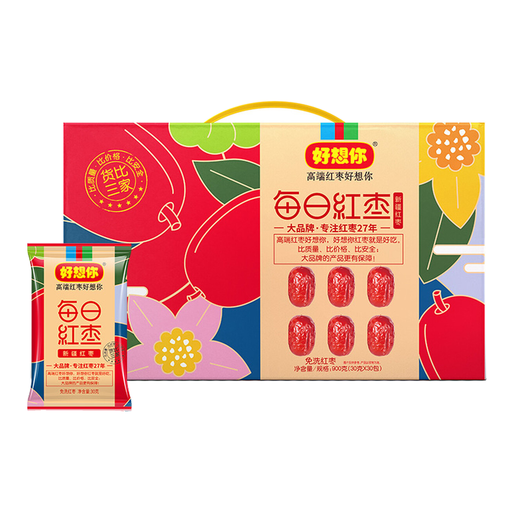
The individual 30 g sachets let you pack a defined amount of red dates with lunch. Take care when eating, as the dates contain pits; check the pack's nutrition panel for the calories in a sachet.
 No image available
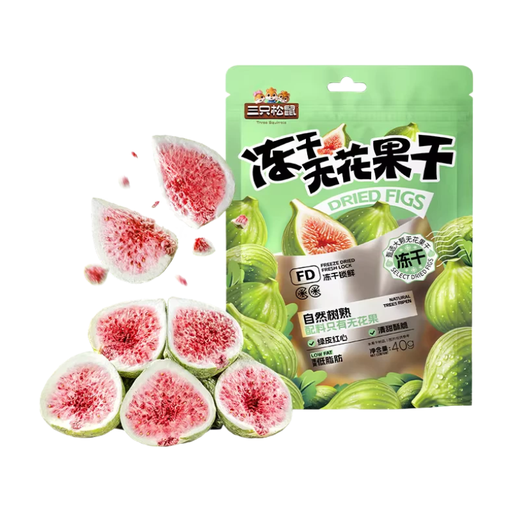
This 40g pack is a single pack to take with lunch. Its freeze-dried, crisp texture differs from soft dried fruit; check the nutrition panel for the amount you plan to eat.
 No image available
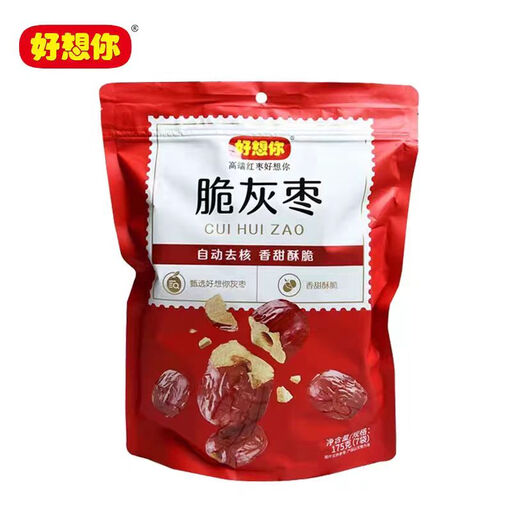
The seven packs offer a way to take one portion with lunch. If the ingredients or fat content affect your choice, compare the current ingredient list and nutrition panel on the pack before buying.
 No image available
Individually wrapped prunes let you choose how many to pack. To work out calories for that choice, check the weight and nutrition information for the amount you will eat; also read the current ingredients rather than relying on claims in the product name.
 No image available
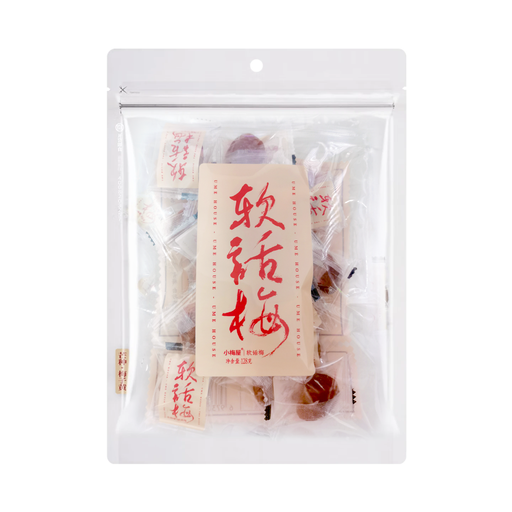
The individually wrapped plums can be packed a few at a time. Check the weight and nutrition information for the amount you intend to eat, and read the ingredients if sweeteners or preservatives matter to you.
No: the amount you eat determines the calories in your lunch portion. Sainsbury's lists 42 kcal for 14g of Mini Snack Raisins, while Tesco lists 136 kcal for its 50g Soft Apricots pack. Compare both the serving weight and its stated calories.
Choose an amount whose labelled calories fit the lunch you are packing. The NHS says 30g of dried fruit counts as one 5 A Day portion, but that is a fruit-portion reference, not a calorie target; check the nutrition panel of the particular fruit.
The NHS advises eating dried fruit at mealtimes rather than between meals to reduce the risk of tooth decay. If you are taking it for lunch, pack the portion to eat with that meal rather than grazing from a bag on the journey.
Yes, check the exact product if ingredients or allergens affect your choice. Tesco's Soft Apricots list sulphur dioxide and potassium sorbate, and the Food Standards Agency identifies sulphur dioxide and sulphites as ingredients used in some dried fruit.