Runners planning food for longer training runs
If you carry dried fruit while running, you need to know the carbohydrate amount in each pack and how it fits into your plan for the whole run.


An individually portioned dried-fruit pack makes carbohydrate easier to count and carry, but one small pack may be only part of a long-run fuelling plan. Tesco lists 9.2 g carbohydrate in a 14 g raisin box; for endurance exercise lasting 1–2.5 hours, World Athletics gives a range of 30–60 g carbohydrate per hour. Compare the amount per pack with your plan, then practise carrying and eating the food during training.
If you carry dried fruit while running, you need to know the carbohydrate amount in each pack and how it fits into your plan for the whole run.
A small, individually packed portion can be convenient before, after or between sessions without having to serve fruit from a larger bag.
Ingredients such as sulphites, along with fibre and polyols, may affect which product you choose. Check the exact pack and try an unfamiliar food during an ordinary training session before relying on it during a key run.
Start with carbohydrate per pack and the number of portions you intend to carry. Then compare the packaging, ingredients and practicality of eating that fruit during your run.
| Priority | What to check | Your needs |
|---|---|---|
| Carbohydrate per pack | Read the carbohydrate figure for the whole pack, not just per 100 g. Tesco lists 9.2 g in each 14 g raisin box; World Athletics gives 30–60 g per hour for endurance exercise lasting 1–2.5 hours. | For a longer run, I want to count each pack towards a planned intake rather than assume one small box covers an hour. |
| Portion format | Compare ready-portioned packs with a bag you would divide at home. Tesco lists 12 individual 14 g raisin boxes, while Whitworths lists five 30 g packs in its 1DERS fruit variety multipack. | A fixed portion saves me preparation before a session; for a larger bag, I can measure and pack portions in advance. |
| Ingredients and tolerance | Read the current ingredient and allergen statements. Check whether an unfamiliar fruit, texture or portion works for you while running; Tesco lists 7.1 g fibre and 15 g polyols per 100 g for Sunsweet Stoned Prunes. | I would rather try a new product on an ordinary training run than discover that it is awkward to eat or does not suit me during a key session. |
| Snacking routine | Consider when you will eat the fruit as well as how often. NHS oral-health guidance advises keeping dried fruit to mealtimes where practical. | For everyday snacks, I want a portion that fits my routine without grazing on dried fruit throughout the day. |
Tesco lists 9.2 g carbohydrate in one 14 g raisin box. That is below World Athletics' 30–60 g per hour guidance for endurance exercise lasting 1–2.5 hours.
Count the carbohydrate in every portion you plan to carry, including any other foods, and practise the combination during training.
Fruit products differ in portion size and composition. Tesco lists 7.1 g fibre and 15 g polyols per 100 g for Sunsweet Stoned Prunes, so a prune portion should not be assumed to work the same way for you as a familiar raisin portion.
Try the exact product and portion on an ordinary training run before making it part of a key-session plan.
The Food Standards Agency notes that sulphites are used in some dried fruit. A fruit name on the front of a pack does not tell you everything in it.
Read the current ingredient and allergen statement, particularly when choosing a different product or replacing a familiar pack.
A bulk bag does not provide the fixed serving or individual wrapping of a snack box. Estimating a handful while packing makes carbohydrate harder to count.
Measure portions before the session and choose containers you can carry and use.
Home portioning also takes preparation time and requires containers.
These examples show how pack formats differ; check the individual product rather than assuming every item from a brand has the same portion size or ingredients.
Tesco lists both individually boxed raisins and larger dried-fruit bags.
Whitworths lists a 1DERS fruit variety multipack containing dried mango and apricot portions.
Sunsweet Stoned Prunes are a different format from an individual raisin snack box: the Tesco listing is for a 500 g pack.
M&S lists raisin snack boxes alongside other fruit snacks and larger dried-fruit formats.
These options include individual fruit portions and larger bags for preparing your own. A pack's stated weight does not tell you its carbohydrate contribution, so use the product's current nutrition label when planning food for a run.
 No image available
The individual sachets let you pack measured portions without dividing a larger bag. The bundle contains 30 sachets totalling 900 g; check the carbohydrate per sachet and whether the dates contain pits before using them on a run.
 No image available
This 10 g pack is a small portion to carry on its own or alongside other planned food. Check its carbohydrate figure rather than treating the pack weight as the carbohydrate amount, and try its texture during training.
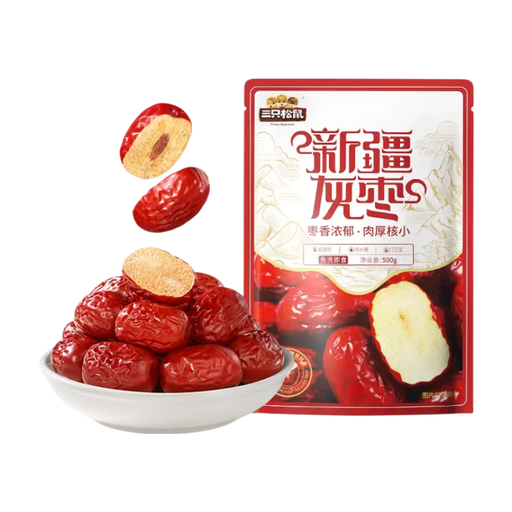 No image available
The 500 g bag suits preparing portions before training rather than grabbing an individual serving. Measure what you pack, check the carbohydrate for that portion and establish whether the dates have pits before eating them while running.
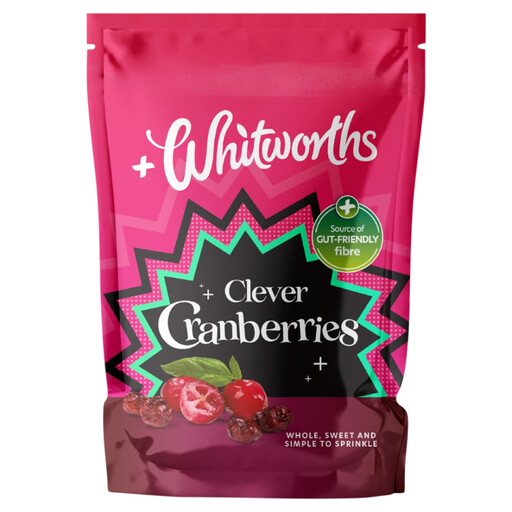 No image available
Portion this 130 g bag before a run if you want a measured amount to carry. Read the current ingredients and carbohydrate figure for the amount you pack rather than assuming it matches another dried-fruit product.
 No image available
The 300 g bag is an option for making your own training portions, not an individual grab bag. Check the carbohydrate and fibre figures for your chosen portion and try that portion during training before relying on it for a longer run.
Do not assume that one small pack will cover an hour of running. Tesco lists 9.2 g carbohydrate in a 14 g raisin box, while World Athletics gives a range of 30–60 g per hour for endurance exercise lasting 1–2.5 hours. Check your pack's carbohydrate figure against the duration and food plan for your run, and practise the combination in training.
No: compare the actual portion and nutrition label rather than treating the fruits as equivalent. Tesco lists 7.1 g fibre and 15 g polyols per 100 g for Sunsweet Stoned Prunes. If you are considering prunes during a run, try the exact product and portion in an ordinary training session first.
Check carbohydrate per pack or planned portion, ingredients, allergens and storage instructions. The Food Standards Agency notes that sulphites are used in some dried fruit, so read the current pack rather than relying on the fruit name alone.
For routine snacking, NHS oral-health guidance advises keeping dried fruit to mealtimes where practical and reducing the frequency of sugary snacks. That advice does not remove the need to plan food for a long run; it is a reason to distinguish planned run portions from eating dried fruit repeatedly throughout the day.