What should you check first?
Choose according to when you intend to eat the fruit, then compare carbohydrate, fibre and ingredients for a portion you can repeat in training.
Dates or raisins
Consider when: You want a portable food-based carbohydrate snack and have tested the portion while training.
Bear in mind: These fruits still contribute fibre, so portability and low fat do not establish pre-race tolerance.
Prunes or apricots
Consider when: You are choosing dried fruit for ordinary meals or a training session in which you can test your tolerance.
Bear in mind: The checked examples contain fibre; the checked Sainsbury’s apricots also contain sulphites.
Lower-fibre carbohydrate formats
Consider when: You need an option before or during a long event and dried fruit has caused gut discomfort in training.
Bear in mind: A sports product is not necessary for every session; practise the format and fit its carbohydrate into your plan.
| Priority |
What to check |
Your needs |
| Carbohydrate |
Compare grams per stated portion, not just per 100g. ASDA Groceries lists 17.6g per 30g for Whitworths dates; Whitworths lists 19.4g per 30g for its mixed fruit. World Athletics gives 30–60g per hour for endurance exercise lasting 1–2.5 hours and up to 90g per hour for events over 2.5 hours. |
I want to know what one portion contributes to a fuelling plan I have practised, rather than assuming one handful covers a long run. |
| Fibre and timing |
Check fibre for the portion you intend to eat and trial the fruit at a comparable time in training. Tesco lists 7.1g per 100g for Sunsweet prunes; Sainsbury’s lists 2.9g per 30g for its dried apricots. The Australian Institute of Sport identifies lower-fibre choices as useful before endurance competition when reducing gut contents is a goal. |
Before a key run, I would rather use a familiar option than discover how a new, fibre-containing snack feels while running. |
| Fat and labels |
Read the nutrition panel for the exact product and compare like-sized portions. ASDA Groceries lists 0.2g fat per 30g for Whitworths dates; Sainsbury’s lists less than 0.5g per 30g for its apricots. A reduced-fat claim does not give the carbohydrate or fibre amount. |
I want to look beyond a front-of-pack claim. In the Food Standards Agency and Ipsos Northern Ireland’s 2024 survey of 611 food shoppers, 49% said they actively used traffic-light labelling, while 35% named nutritional claims on the back of packaging as their primary source of nutrition information; neither figure measures runners’ fuelling preferences. |
| Ingredients and warnings |
Check for additions and allergens on the current pack. Whitworths lists candied peel, glucose syrup, sugar and sulphur dioxide in its mixed fruit; Sainsbury’s lists sulphites in its dried apricots. Read any stone or pit warning too. |
If I need to avoid an ingredient or want plain fruit, the ingredients and safety notices matter more than the words “reduced fat”. |
| Everyday timing |
Distinguish routine snacking from food used during a run. NHS guidance advises eating dried fruit at mealtimes rather than repeatedly between meals to reduce tooth-decay risk. |
I want an everyday way to use dried fruit without treating my long-run fuelling routine as a reason to graze on it throughout an ordinary day. |
Which brands and retailers offer useful examples?
These examples help with label comparison; a brand or retailer name does not establish the nutrition or ingredients of every product it sells.
Whitworths
Its checked dates and mixed fruit offer two different ingredient lists to compare alongside their 30g nutrition figures.
- ASDA Groceries lists 17.6g carbohydrate, 2.3g fibre and 0.2g fat per 30g for Whitworths dates.
- Whitworths mixed fruit lists candied peel, glucose syrup, sugar and sulphur dioxide; do not treat it as identical to plain dates.
Sunsweet
The checked Stoned Prunes provide a prune example for comparing fat, carbohydrate and fibre.
- Tesco lists 0g fat, 57g carbohydrate and 7.1g fibre per 100g for this product.
- That fibre figure makes the exact portion and training-time tolerance worth checking before using prunes near a key run.
Tesco
The retailer’s checked Sunsweet listing provides per-100g nutrition and ingredients for a branded prune product.
- The listing gives carbohydrate, fat and fibre on the same per-100g basis.
- Confirm the current pack and listing before relying on those details or planning a purchase.
Sainsbury’s
Its checked Ready to Eat Dried Apricots provide a 30g portion example.
- Sainsbury’s lists 14.8g carbohydrate, 2.9g fibre and less than 0.5g fat per 30g.
- The ingredients list includes sulphites, and the product carries a possible-stone warning.
Asda
Its checked Whitworths dates listing gives a portion-based reference for plain dried fruit.
- The listed 30g portion contains 17.6g carbohydrate, 2.3g fibre and 0.2g fat.
- Check the current pack for its ingredients and stone warning before use.
M&S
Its raisins and Super Fruit Medley illustrate single-fruit and mixed-fruit choices for meals or snacks.
- M&S describes the medley as a blend of raisins, cranberries, blueberries and goji berries.
- Check the exact pack’s carbohydrate, fat, fibre and ingredients before fitting either product into a measured fuelling plan.
Joybuy dried-fruit options
These options include dates and raisins to consider as training snacks, plus prunes to assess for meals or a practised training session. Compare each pack’s nutrition and ingredients for your intended portion; none should be selected for a key run on its low-fat description alone.
 No image available
Whitworths Dates 300g
For a measured date portion in training, ASDA Groceries lists 17.6g carbohydrate, 2.3g fibre and 0.2g fat per 30g for Whitworths dates. Test your tolerance before a key run and check the pack for its stone warning.
View on Joybuy
 No image available
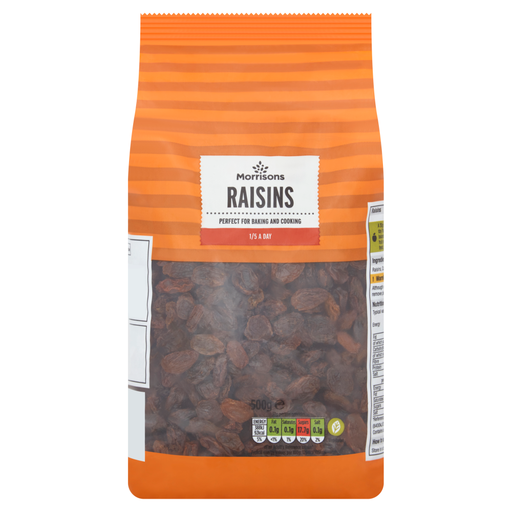
Morrisons Raisins 500g
Raisins are a food-based option to trial during training. Read this pack’s carbohydrate and fibre figures for the portion you intend to carry, and practise eating that portion while running.
View on Joybuy
 No image available
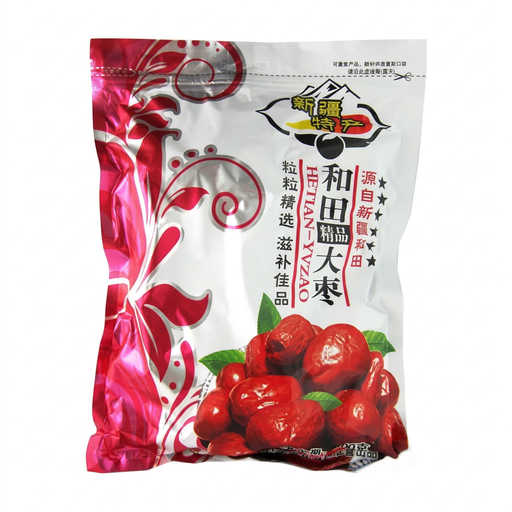
HETIAN-YVZAO Dried Hetian Date (Large) 500g
Consider these dates as a training snack only after checking the pack’s carbohydrate and fibre figures for your portion. Read any pit or stone warning and trial the fruit before relying on it for a key run.
View on Joybuy
 No image available
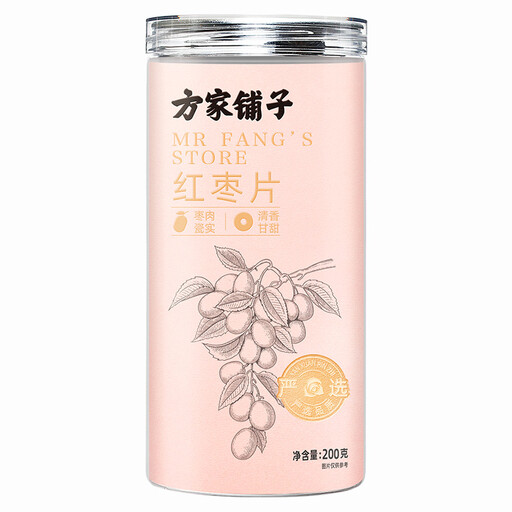
Fang Jia Puzi Dried Red Date Slices 200g
The sliced format is an option for portioning a date snack or adding dates to food. Check carbohydrate and fibre on the current pack before using a measured portion during training, and read its safety notices.
View on Joybuy
 No image available
J.ZAO Prebiotic Pitted Chilean Prunes 500g
These prunes are an option to assess for ordinary meals or a training session where you can test your tolerance. Check the current pack’s fibre figure and pit warnings before considering them close to a key run; the word “Prebiotic” in the name does not establish a fuelling benefit.
View on Joybuy
Frequently asked questions
Should I prioritise a reduced-fat claim on dried fruit?
No: it does not tell you how much carbohydrate or fibre your portion contains, or whether you tolerate the fruit while running. The checked Whitworths dates list 0.2g fat per 30g according to ASDA Groceries, while Sainsbury’s lists less than 0.5g per 30g for its dried apricots; compare the full panels and ingredients for the exact products you are considering.
Can dried fruit be part of my marathon fuelling?
It can be one component if you have successfully practised the fruit, portion and timing in training. World Athletics lists 30–60g carbohydrate per hour for endurance exercise lasting 1–2.5 hours and up to 90g per hour for events over 2.5 hours; compare your portion’s stated carbohydrate with your individual plan rather than assuming dried fruit covers the whole period.
What about prunes or apricots just before a race?
Do not introduce them for the first time before a race. The checked products contain fibre, and the Australian Institute of Sport identifies lower-fibre choices as useful in the day or days before endurance competition when reducing gut contents and gastrointestinal-disturbance risk is the goal. Test the exact fruit and timing in training, or use a familiar alternative if it causes discomfort.
How do I check for sulphites in dried fruit?
Read the ingredients on the exact pack: the checked Sainsbury’s dried apricots list sulphur dioxide or sulphites. The Food Standards Agency notes that sulphites are used in some dried fruits and that people with asthma have a higher risk of reacting to sulphur dioxide; do not assume every product of the same fruit has identical ingredients.
Does routine dried-fruit snacking need different timing from run fuelling?
Yes. NHS guidance says a 30g portion of dried fruit counts as one 5 A Day portion and advises eating it at mealtimes rather than repeatedly between meals to reduce tooth-decay risk. Keep that everyday advice distinct from a fuelling approach you have practised for a long run.


