Individually portioned dried fruit can be a portable carbohydrate snack after exercise, particularly when a meal or protein-containing food follows. For intense or prolonged exercise, UK Sports Institute guidance calls for carbohydrate, protein and fluids; compare the amount in each pack and its ingredients rather than treating dried fruit alone as a complete recovery snack.
Who might use a multi-pack?
The useful format depends on whether the pack is a small snack on the way to a meal, part of refuelling after demanding exercise, or something several people will share.
People wanting a portable snack after exercise
Individual packs are easy to carry and share on the journey home. Check the carbohydrate amount in one pack against what you intend to eat, and plan for fluids and your next meal if recovery needs are greater.
People training intensely or again soon
The British Dietetic Association advises starting carbohydrate refuelling with food and fluids promptly when quick recovery is required. For intense or prolonged exercise, the UK Sports Institute advises a carbohydrate- and protein-containing snack plus fluids; dried fruit can supply the fruit component, not the whole plan.
Groups sharing snacks with different ingredient needs
Separate portions make distribution simpler, but check each variety’s ingredient and allergen statement before sharing. Fruit-and-nut mixes can contain nuts, while the Food Standards Agency identifies sulphur dioxide and sulphites as allergens used in some dried fruit.
What should you check?
Start with what one individual pack provides, then compare its ingredients with the food or meal you expect to have after exercise.
| Priority | What to check | Your needs |
|---|
| Carbohydrate per pack |
Read the carbohydrate figure for the individual box or sachet, not just per 100g. Tesco Groceries lists 9.2g per 14g box of Seedless Raisins; Whitworths lists 12.9g per 30g pack of its fruit-and-nut mix. |
I want to know whether one pack is a small snack before my next meal or part of refuelling after a demanding session. |
| Protein and fluids |
Check protein per pack and what else you will eat. For intense or prolonged exercise, the UK Sports Institute advises carbohydrate, protein and plenty of fluids. |
After a hard or long session, I need to plan beyond dried fruit alone, whether that means another food or a meal. |
| Ingredients and allergens |
Distinguish plain fruit from sweetened fruit-and-nut mixes. Read the exact pack’s nut and sulphite declarations, including any precautionary allergen statement. |
If we are sharing, everyone needs a pack that fits their ingredient and allergy requirements. |
| Portion and pack count |
Compare individual weight with the number of packs: Tesco lists twelve 14g raisin boxes, while Whitworths lists five 30g packs in its apricot-and-mango variety pack. The GOV.UK Eatwell Guide uses 30g as a dried-fruit portion reference and advises keeping dried fruit to mealtimes. |
I would rather choose a pack size we can divide easily than assume several small boxes make one serving. |
Common buying mistakes
-
Treating an exercise-themed name as a recovery plan
A dried-fruit pack can contribute carbohydrate, but its name does not establish that it supplies the protein and fluids relevant after intense or prolonged exercise.
Use the per-pack nutrition panel to decide what the fruit contributes, then plan the rest of the snack or meal. The UK Sports Institute advises carbohydrate, protein and fluids after intense or prolonged exercise.
-
Assuming every pack contains only fruit
Fruit-and-nut mixes and sweetened dried fruit have different ingredients from plain raisins. Allergens also differ between varieties; the Food Standards Agency notes that sulphites are used in some dried fruit.
Check the ingredient and allergen statements for each flavour in a multi-pack before sharing it.
-
Judging the serving by the number of sachets
A 14g raisin box and a 30g fruit pack are different-sized portions. Tesco Groceries lists 9.2g carbohydrate in one of its 14g raisin boxes, so the number eaten matters when assessing the snack.
Compare nutrition per individual pack with the amount you plan to eat, rather than relying on the multi-pack’s total weight.
-
Overlooking guidance on when to eat dried fruit
The GOV.UK Eatwell Guide gives 30g as a dried-fruit portion reference and advises keeping dried fruit to mealtimes.
Consider where a pack fits into your planned post-exercise meal or snack instead of repeatedly grazing from an open multi-pack.
Brand and retailer references
These examples show why pack format and ingredients deserve a closer look; they are not interchangeable products or a list of Joybuy stock.
Whitworths
Whitworths lists both individually portioned fruit and fruit-and-nut options in its 1DERS range.
- Its apricot-and-mango variety pack contains two 30g mango packs and three 30g apricot packs.
- Its separate fruit-and-nut mix contains peanuts and sweetened dried cranberries; check the exact variety’s allergen statement before sharing.
Tesco
Tesco Seedless Raisins come in twelve 14g boxes, suited to shoppers looking for small, separately portioned raisin snacks.
- Tesco Groceries lists 9.2g carbohydrate and 0.3g protein per box, making the contribution of one box clear.
- One box is a small portion; compare it with what else you plan to eat after exercise.
M&S
M&S Taste Buds Raisin Snack Boxes contain ten boxes totalling 140g, a format to consider when several people want separate portions.
- Marks & Spencer lists carbohydrate and protein information per 100g.
- Use the box weight and nutrition label to assess an individual snack rather than reading the per-100g figures as per-box amounts.
Sainsbury's
Sainsbury's lists dried-fruit products including raisins and a peanuts-and-raisins mix.
- Those different ingredient formats give shoppers a reason to compare fruit-only and nut-containing labels.
- Check the individual product’s pack count and portion size when choosing something to share.
Sunsweet
Sunsweet is a prune brand to consider if prunes appeal more than raisins or other dried fruit.
- For a shareable purchase, check the particular product’s format, ingredients and nutrition label.
Joybuy product options
These options include portioned red dates, dried berries and a fruit-and-nut mix, plus a three-pack of bars. The bars are a different format from loose dried fruit; compare each product’s individual portion and ingredients before choosing one for after exercise or for sharing.
 No image available
Hao Xiang Ni Ready-to-Eat Red Dates, 30 × 30g
Thirty separate sachets suit sharing or carrying a portion after exercise. Check the per-sachet nutrition when deciding what it contributes alongside your next food or meal. The product information warns that the dates have pits.
View on Joybuy
 No image available
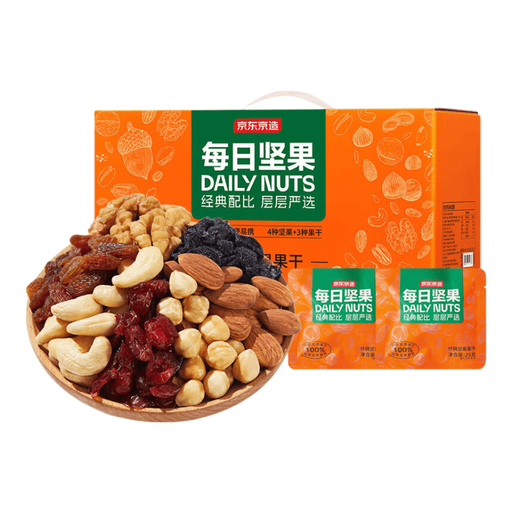
J.ZAO Classic Daily-Nut Mix, 30 sachets, 750g
The separate sachets offer a fruit-and-nut format to compare with fruit-only snacks. This mix contains tree nuts and sweetened dried cranberries; check its allergen statement before sharing, and use the per-sachet nutrition panel to assess the portion.
View on Joybuy
 No image available
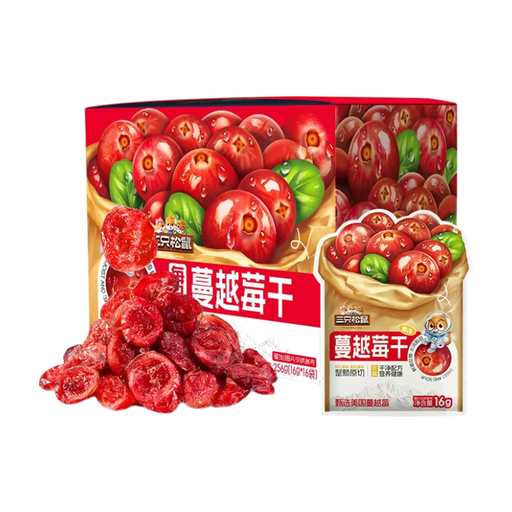
Three Squirrels Daily Dried Cranberries, 16 × 16g
Small individual packs offer a dried-fruit snack that is easy to divide. These cranberries contain added sugar, so compare the ingredient list and nutrition per 16g pack with plain-fruit options if that distinction matters to you.
View on Joybuy
 No image available
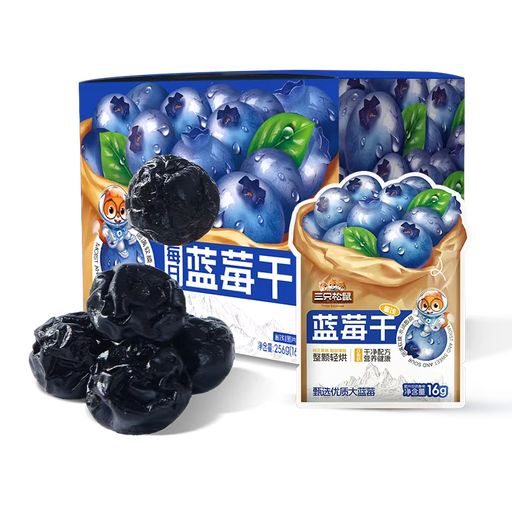
Three Squirrels Daily Blueberry Dried Snack, 16 × 16g
Its 16g packs are a small, shareable snack format. The blueberries contain added sugar, so check the ingredient list and per-pack nutrition rather than treating them as equivalent to plain dried fruit.
View on Joybuy
 No image available
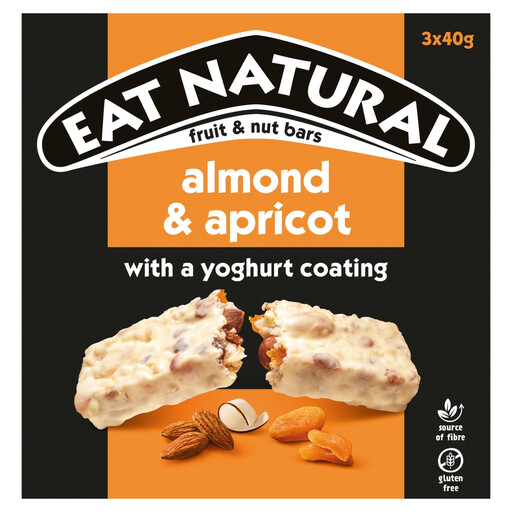
Eat Natural Almond Apricot & Yoghurt Bars, 3-pack, 120g
This is a three-pack of bars rather than loose dried-fruit sachets. Check the nutrition for one bar if considering it after exercise. It contains almonds and milk, may contain peanuts and soya, and carries a warning about possible nutshell fragments.
View on Joybuy
Questions about choosing and using dried fruit
Is dried fruit enough after a workout?
Dried fruit can be a carbohydrate snack, but do not rely on it alone after intense or prolonged exercise. The UK Sports Institute advises a carbohydrate- and protein-containing snack plus plenty of fluids in that situation; consider what else you will eat and drink.
Should I choose 14g boxes or 30g packs?
Choose by what you intend one pack to contribute, not by size alone. Tesco Groceries lists 9.2g carbohydrate in a 14g raisin box, while the GOV.UK Eatwell Guide uses 30g as a dried-fruit portion reference and advises keeping dried fruit to mealtimes. Neither size determines what is enough after a particular workout.
What should I check before sharing a variety pack?
Read the ingredients and allergen statement for every included variety. Fruit-and-nut packs can contain nuts, and the Food Standards Agency identifies sulphur dioxide and sulphites as allergens used in some dried fruit; do not assume that all sachets in a multi-pack have the same ingredients.


