Organisers running self-service breaks
Individually packed portions make it straightforward to count out snacks and set them on a grab-and-go table. Keep the outer packaging available so staff and attendees can check product information.


Choose individually packed dried fruit when attendees need to pick up a known number of portions without staff opening and serving a shared bag. Larger bags suit a managed catering station where portions and ingredient information can be handled reliably; keep nut-containing mixes separately identified rather than making them the default snack. Check the current pack label, including ingredients, allergens, best-before date and any warnings, before service.
Individually packed portions make it straightforward to count out snacks and set them on a grab-and-go table. Keep the outer packaging available so staff and attendees can check product information.
Check each product’s current ingredients rather than treating every dried-fruit mix alike. If food is decanted or served loose, plan how attendees will receive reliable allergen information.
Larger bags may suit a staffed serving station, provided someone can plan the portions, handle the food and retain the information from the original pack.
Start with how snacks will be served, then match the pack count and ingredient information to the people expected at the break.
Choose when: Attendees will collect their own snacks and you need a countable supply of unopened portions.
Bear in mind: Small raisin boxes and larger fruit portions are different serving sizes; check the inner-pack weight as well as the count.
Choose when: Staff can manage a serving station or prepare clearly identified portions.
Bear in mind: The organiser must handle portioning and keep ingredient and allergen information available after the bag is opened.
Choose when: A separately identified optional snack fits the event’s allergen-information plan.
Bear in mind: Ingredients vary: Whitworths lists peanuts in its fruit-and-nut mix and warns that it may contain nuts and sesame.
| Priority | What to check | Your needs |
|---|---|---|
| Portion count | Count the inner packs, not just the outer packs. Compare their stated weights: Marks & Spencer lists 10 raisin boxes in a 140 g pack, while Whitworths lists five 30 g fruit packs. | I need enough separate portions for the people expected to take a snack, with any contingency based on the event plan. |
| Serving setup | Decide whether packs will remain sealed or food will be portioned from a larger bag. For loose servings, establish how the original ingredient information will remain accessible. | A self-service table calls for little preparation; at a staffed station, we can manage portions from a shared bag. |
| Ingredients and allergens | Read the exact pack label for nuts, sesame, sulphites and other declared allergens. The Food Standards Agency’s guidance addresses mandatory information about regulated allergens when businesses sell non-prepacked food. | I want attendees to be able to identify what is in each option, especially if mixes and fruit-only packs are offered side by side. |
| Product variation | Distinguish plain fruit from sweetened, chocolate-coated and nut-containing products. Check the current label, best-before date and warnings before serving. | Different snacks may suit different attendees, so I would rather label the options clearly than assume every dried-fruit pack has the same ingredients. |
A fruit-and-nut mix may contain peanuts or other nuts, while some dried-fruit products list sulphites. Chocolate-coated varieties introduce different ingredients again.
Read each current label and identify mixes separately. Do not rely on the category name to answer an attendee’s ingredient question.
Opening a shared bag leaves portioning and the communication of ingredient information to the catering team.
Decide who will serve it, how portions will be identified and where the original packaging will be kept. Use sealed inner packs if the table will be unmanaged.
The pack being served is the one attendees need information about; its ingredients and warnings should be checked directly.
Before setting out snacks, review the physical label for ingredients, allergens, storage instructions, best-before date and any warnings.
These examples show how pack formats and ingredients differ; check the particular product rather than applying one product’s details to an entire brand.
Whitworths describes a fruit variety multipack containing two 30 g mango packs and three 30 g apricot packs. Its fruit-and-nut mix is a different product.
Tesco Groceries lists individually packed raisins as well as larger dried-fruit formats, giving organisers different ways to plan service.
Marks & Spencer lists Taste Buds 10 Raisin Snack Boxes in a 140 g pack alongside dried-fruit and nut-containing products.
Tesco lists Sunsweet Stoned Prunes in a 500 g bag, a shared-bag format rather than an individual multipack.
These individually packed dried-fruit options suit a conference table where portions need to be counted and handed out without opening a shared bag. Check each product’s current label for ingredients, allergens and serving warnings.
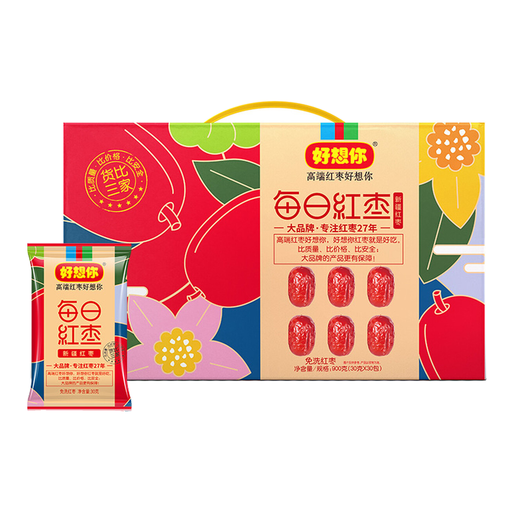 Image unavailable
Thirty sachets make portions easy to count for a self-service break. These are whole dates: check the pack’s pit warning and make attendees aware before serving.
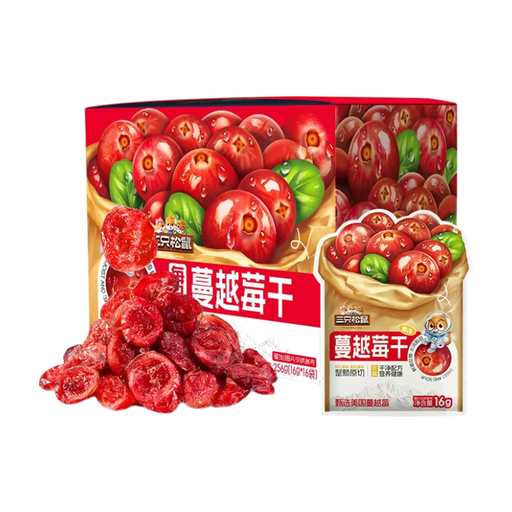 Image unavailable
Sixteen individual packs provide a countable option for a grab-and-go table. Check the current ingredients for added sugar and the pack’s allergen information.
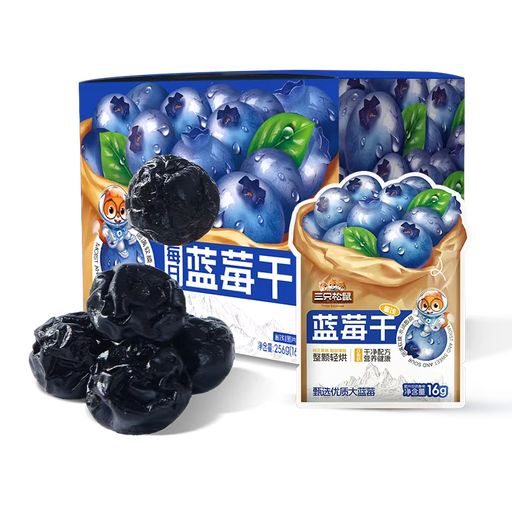 Image unavailable
The 16-pack format lets organisers count portions before service. Check the current ingredients for added sugar and read the pack’s allergen information.
Start with the number of people expected to take one, then compare inner-pack counts with your serving plan. Marks & Spencer lists 10 raisin boxes per pack and Whitworths lists five 30 g fruit portions; allow for any extra portions only after accounting for attendance and other snacks.
No, not when you need an option for attendees who cannot have its ingredients. Whitworths lists peanuts in its fruit-and-nut mix and warns that it may contain nuts and sesame; offer such a mix as a separately identified choice and check the current label.
The catering team needs a reliable way to communicate the product’s allergens after it leaves its original pack. The Food Standards Agency’s guidance covers mandatory information about regulated allergens for businesses selling non-prepacked food; retain the current manufacturer label and plan how staff will use that information before decanting.
It can be one refreshment option rather than the only one. For a break between meals, consider water and alternatives such as fresh fruit or savoury snacks alongside it, while keeping ingredient information available for each choice.
Follow the storage instructions and best-before information on each product’s label. Keep inner packs sealed until service where the format allows, and check any instructions that apply after a larger bag has been opened.