Riders sharing snacks
Separate portions are easier to count and hand out than fruit from an open bag. Tesco lists a 12-pack of raisins, while M&S lists 10 raisin snack boxes.


Choose individually packed dried fruit when riders need portions they can carry and share without opening a large bag; choose a larger bag when you can portion it before setting off or share it at a stop. Pack count does not tell you whether a serving covers your fuelling plan: British Cycling advises 0.5–1g of carbohydrate per kg of bodyweight per hour for long rides, divided into small feeds, so check the carbohydrate on the exact pack you intend to take.
Separate portions are easier to count and hand out than fruit from an open bag. Tesco lists a 12-pack of raisins, while M&S lists 10 raisin snack boxes.
Compare carbohydrate per pack with the food and drink you plan to carry. British Cycling’s long-ride guidance is 0.5–1g of carbohydrate per kg of bodyweight per hour, taken across two or three small feeds every 20–30 minutes.
Check the label of each snack before sharing it. The Whitworths fruit-and-nut mix listed by Tesco contains peanuts, and the Food Standards Agency notes that sulphites are often used in dried fruit. Riders may also want to try an unfamiliar food on a training ride first, as British Cycling advises using foods they know agree with them.
Start with where the food will be eaten and how it will be shared. Then compare the serving label and ingredients, rather than treating every small pack as the same ride snack.
| Priority | What to check | Your needs |
|---|---|---|
| Portion format | Count the separate sachets or boxes, not just the total weight. For a larger bag, decide whether you can portion it before leaving or open it at a planned stop. | I want to hand snacks to other riders without passing around an open bag. If we are stopping to share food, a larger bag could also work. |
| Carbohydrate per pack | Read the current label’s carbohydrate figure and serving size. British Cycling advises 0.5–1g per kg of bodyweight per hour for long rides, spread across two or three small feeds every 20–30 minutes. | For a long ride, I need to know what each pack contributes to the food and drink I plan to take; a pack count alone cannot answer that. |
| Ingredients and allergens | Check the exact mix and its allergen statement. Tesco’s listing for Whitworths 1-Ders Fruit & Nut Mix identifies peanuts and sweetened dried cranberries; the Food Standards Agency notes that sulphites are often used in dried fruit. | If I am sharing food, everyone receiving a pack needs to be able to check what it contains. A fruit-and-nut mix is not interchangeable with a plain raisin pack. |
| Familiarity | Try an unfamiliar fruit, portion size and drink combination on a training ride. British Cycling recommends carrying foods you know agree with you. | I would rather settle on food I can manage during a ride before relying on it at an event. |
| Eating occasion | Consider how often you will eat dried fruit outside the ride. The NHS says a 30g dried-fruit portion counts towards 5 A Day and advises eating dried fruit at mealtimes because of the risk of tooth decay. | I may use small portions as part of a ride plan, but that does not make frequent dried-fruit snacking throughout the rest of the day the same choice. |
Tesco lists 12.9g of carbohydrate per 30g sachet for Whitworths 1-Ders Fruit & Nut Mix. British Cycling’s long-ride guidance is based on carbohydrate per kg of bodyweight per hour, so that sachet is one part of a plan rather than an automatic hourly allowance.
Check carbohydrate per pack on the product you buy and plan how it fits alongside your other food and drink.
The Whitworths fruit-and-nut mix listed by Tesco contains peanuts. Its separate packs make it convenient to distribute, but the format does not resolve an ingredient restriction.
Check requirements before sharing and take a clearly labelled alternative where needed.
Sainsbury’s Mixed Dried Fruit comes in one 500g bag with approximately sixteen 30g servings. Those servings are not individually wrapped for handing out on the road.
Portion the fruit before leaving, or reserve the bag for a planned stop.
Pre-portioning also means allowing time and bringing containers or bags to carry the servings.
The Sunsweet prunes listed by Tesco contain 15g of polyols per 100g. British Cycling advises riders to carry foods they know agree with them.
Try the exact food and intended serving size on a training ride before making it part of an event plan.
Its 1-Ders range includes individually packed fruit-and-nut and fruit-variety formats, according to Whitworths.
Tesco’s dried-fruit range includes a seedless-raisin multipack for separately packed portions.
M&S lists a Taste Buds format with 10 raisin snack boxes weighing 140g in total.
Sainsbury’s Mixed Dried Fruit is a larger-bag option for portioning at home or sharing at a stop.
The Sunsweet Stoned Prunes product listed by Tesco comes in a 500g bag for riders who are prepared to portion their own servings.
These separately packed options include red dates, cranberries and blueberries, plus a five-pack of fruit gums. The fruit gums are a packaged snack rather than whole dried fruit; choose by the food you want as well as by pack count.
 No image available
Thirty separate 30g sachets make it possible to count out portions for several riders. The dates contain pits, so check each one before eating rather than dealing with a pit while cycling.
 No image available
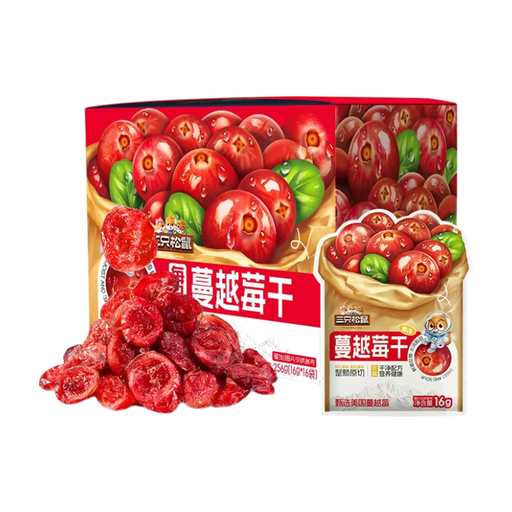
The sixteen individual 16g packs give a group separate portions to carry or share. This product contains added sugar; check its current ingredient and nutrition labels when comparing it with other fruit snacks.
 No image available
Sixteen separate 16g packs allow portions to be distributed before or during a group ride. It contains added sugar; try an unfamiliar snack on a training ride before relying on it at an event.
 No image available
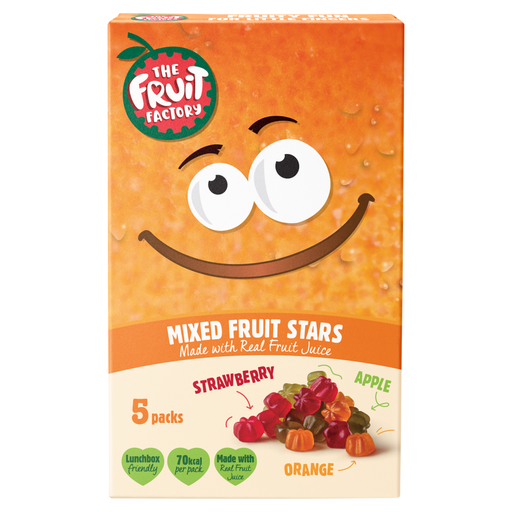
The five-pack provides separate snacks to hand out on a ride. These are fruit gums made with fruit juice concentrate, glucose syrup and sugar, not whole dried fruit.
Do not judge by the number of packs alone. British Cycling advises 0.5–1g of carbohydrate per kg of bodyweight per hour for long rides, divided into two or three small feeds every 20–30 minutes. Check carbohydrate per pack and account for the other food and drink you intend to take.
No. Sainsbury’s lists 22.2g of carbohydrate per 30g serving of its Mixed Dried Fruit, while Tesco lists 12.9g per 30g sachet of Whitworths 1-Ders Fruit & Nut Mix. The NHS uses 30g as a dried-fruit 5 A Day portion, not as a cycling-fuel measure.
Choose by the ingredients each rider can eat and the portion information you need, rather than assuming the formats are interchangeable. Tesco’s listing for Whitworths 1-Ders Fruit & Nut Mix identifies peanuts; check the exact pack’s allergen statement before sharing it.
Check the exact product label if sulphites matter to anyone who will eat it. The Food Standards Agency says sulphur dioxide and sulphites are often used in dried fruit, including raisins, dried apricots and prunes; one product’s ingredients do not establish what is in another.
The NHS advises eating dried fruit at mealtimes rather than as a between-meal snack because of the risk of tooth decay. Taking measured portions for a ride is a distinct use, but it does not remove that consideration when deciding whether to snack on dried fruit frequently at other times.