Parents packing lunch for toddlers
An individual portion can go with lunch rather than becoming a snack to graze on between meals. Check that your child can manage the food’s texture and follow the age guidance on the pack.


For a nursery lunch, choose a portion your child can manage and the nursery accepts: small raisin boxes make individual lunches easy to allocate, while fruit sticks offer a different texture. Check the exact pack’s age guidance and allergens, and avoid mixes containing whole nuts for children under five. The NHS advises giving toddlers dried fruit with meals rather than between meals because its sugars can cause tooth decay.
An individual portion can go with lunch rather than becoming a snack to graze on between meals. Check that your child can manage the food’s texture and follow the age guidance on the pack.
Countable mini packs help you set aside a portion for each lunch. Before buying for a group or sending food to share, check the nursery’s packed-lunch and allergy policy.
Fruit-only products, fruit-and-nut mixes and chocolate-coated raisins have different ingredients. The Food Standards Agency also identifies sulphur dioxide and sulphites as ingredients used in some dried fruit, so read the current label on the exact pack.
Start with the nursery’s policy and your child’s age, then compare portion size, ingredients and texture rather than multipack count alone.
| Priority | What to check | Your needs |
|---|---|---|
| Meal timing | Can the portion be served with lunch? The NHS advises offering toddlers dried fruit with meals, not between meals, because its sugars can cause tooth decay. | I want to pack a portion for lunch, not leave several mini packs for grazing through the day. |
| Age and preparation | Read the pack’s age warning and ask how the nursery serves it. Department for Education choking guidance says not to give babies under one whole raisins or other dried fruit; cut them into small pieces. It also says not to give whole nuts to children under five. | My child needs a format and preparation they can manage at their age, rather than a fruit-and-nut mix containing whole nuts. |
| Ingredients and allergens | Check the exact pack for nuts, milk, soya and sulphites, and compare its declarations with the nursery’s policy. The Food Standards Agency notes that sulphur dioxide and sulphites are used in some dried fruit. | If food is shared or allergies are managed at nursery, I need to know what is in this particular product. |
| Portion count and size | Compare both figures: Tesco lists Seedless Raisins as 12 × 14g; Tesco lists Whitworths Sunny Raisins as 6 × 30g; Sainsbury’s lists BEAR Fruit Splits Pineapple & Raspberry as 5 × 20g. | Smaller boxes may suit the lunches I am planning; a larger individual pack only helps if that portion suits my child and the nursery’s routine. |
| Texture | Compare loose raisins with fruit sticks or rolls, then check the chosen product’s age guidance and ingredients. A different shape does not change the NHS advice on serving toddlers dried fruit with meals. | My child may accept one texture more readily, but I still need a product the nursery can serve appropriately. |
The NHS says the sugars in dried fruit can cause tooth decay and advises giving it to toddlers with meals rather than between meals.
If the nursery permits dried fruit, pack a portion to be served with lunch instead of several packs for grazing.
Department for Education choking guidance says whole nuts should not be given to children under five. A mix may also conflict with a nursery’s allergy policy.
For an under-five’s nursery lunch, check for whole nuts in the ingredients and choose an age-appropriate alternative that the nursery accepts.
Sainsbury’s lists 10g sugars per 20g portion for BEAR Fruit Splits Pineapple & Raspberry, despite its no-added-sugar description.
Read the nutrition panel and choose between formats for their ingredients, portion size and texture; follow the NHS meal-time advice for toddlers’ dried fruit.
A 12 × 14g raisin multipack and a 6 × 30g multipack provide different individual portions. Other products can carry age warnings or additional allergens: Marks & Spencer labels its Belgian Milk Chocolate Raisins Multipack unsuitable for children under 36 months because of choking risk and unsuitable for people with nut or peanut allergy.
Check the current label for the portion size, ingredients, allergens and age warning before matching a pack to your child and nursery.
Sunny Raisins offer a larger individual raisin portion than the small-box format listed here.
Its listed Seedless Raisins multipack is a small-box option for counting out individual lunches.
Fruit Splits provide an individually wrapped fruit-stick format rather than loose raisins.
Its listings include both Whitworths fruit multipacks and BEAR fruit sticks, which differ in pack size and ingredients.
Its fruit-snack range includes raisin boxes as well as chocolate-coated raisins; the product type matters for a nursery lunch.
These raisin boxes, fruit shapes and fruit rolls offer different pack formats to consider for a nursery lunch. Check each exact pack’s age guidance, ingredients and nursery suitability before choosing.
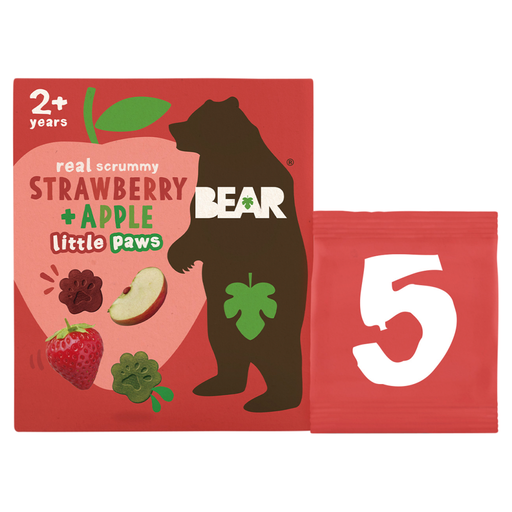 No image available
Five 20g portions give you individual packs to set aside for lunches if the nursery accepts them. Check the exact pack’s age guidance and ingredients before sending one in.
 No image available
Twelve 14g boxes allow you to count out separate nursery lunches. The name specifies 12+ months; follow the current pack’s serving directions and the nursery’s arrangements for your child.
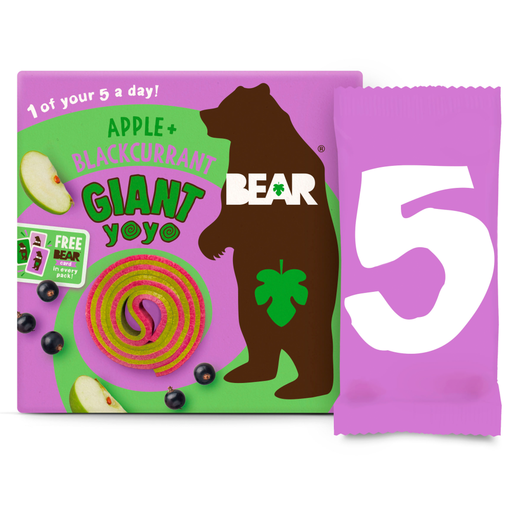 No image available
This five-pack offers 20g fruit-roll portions instead of loose raisins. Check the pack’s age guidance and whether your child can manage the texture before packing one for nursery.
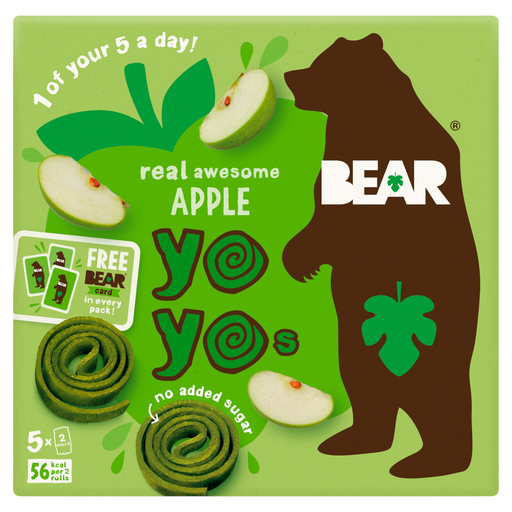 No image available
This 100g fruit-roll product is another texture to consider. Check the pack’s age recommendation, inner portions and ingredients before deciding whether it fits your child’s nursery lunch.
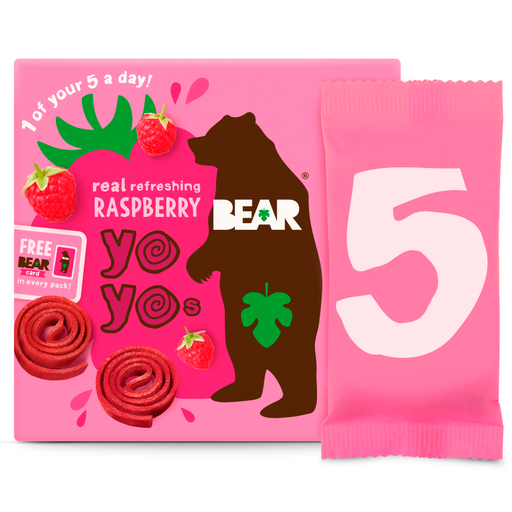 No image available
Five 20g fruit-roll portions can be allocated to separate lunches. Check the current age guidance and allergen information, particularly when packing for a younger child or an allergy-managed nursery.
Yes, if the nursery accepts it and the product and preparation suit your child. The NHS advises giving toddlers dried fruit such as raisins with meals rather than between meals because its sugars can cause tooth decay. Check the nursery’s packed-lunch policy before buying packs to send or share.
No. Department for Education choking guidance says babies under one should not be given whole raisins or other dried fruit; cut them into small pieces. For any young child, check the product’s age warning and how the nursery will serve it.
Avoid mixes containing whole nuts for children under five: Department for Education choking guidance says whole nuts should not be given to that age group. Check the full ingredients and the nursery’s allergy policy rather than judging a mix by its fruit content.
No. Sainsbury’s lists 10g sugars per 20g portion for BEAR Fruit Splits Pineapple & Raspberry, which it describes as having no added sugar. The NHS advice to give toddlers dried fruit with meals rather than between meals still applies.
Read the current ingredient and allergen declarations on the exact pack and compare them with the nursery’s policy. The Food Standards Agency identifies sulphur dioxide and sulphites as ingredients used in some dried fruit; other fruit snacks can include milk or soya or carry nut and peanut suitability warnings.