Families packing meals for days out
Separate boxes or pouches make portions easy to pack for different people. Plan to serve dried fruit with a meal: the NHS advises against giving it to children as a between-meal snack because of tooth-decay risk.


Choose individual boxes or pouches when separate portions make a packed meal or day out easier; choose a larger pack when someone can portion it for sharing at home. Check the weight of each unit rather than assuming every box counts as a full portion. The NHS says 30g of dried fruit counts as one 5 A Day portion, but advises serving dried fruit at mealtimes, not between meals, to reduce tooth-decay risk.
Separate boxes or pouches make portions easy to pack for different people. Plan to serve dried fruit with a meal: the NHS advises against giving it to children as a between-meal snack because of tooth-decay risk.
A larger bag can be divided between several people at a meal or used in baking. Check its total weight against the number of servings you intend to prepare.
Read the exact pack’s ingredient and allergen information before sharing a fruit mix. The Food Standards Agency says sulphur dioxide and sulphites are often used in dried fruit and notes a higher risk of reaction for people with asthma; some fruit mixes also contain nuts.
Decide whether you need separate servings for meals away from home or fruit to portion at home, then compare unit weights and ingredients.
| Priority | What to check | Your needs |
|---|---|---|
| Separate portions | Read the number of units and grams per unit. Sainsbury’s lists 12 × 14g raisin cartons; Whitworths lists fruit-variety pouches of 30g each. | For packed meals or separate servings, I want to know how many boxes or pouches I can take and how much each contains. |
| Portion size and timing | The NHS says 30g of dried fruit counts as one 5 A Day portion and advises eating it at mealtimes rather than between meals to reduce tooth-decay risk. A 14g box is smaller than that reference amount. | A small box is convenient for a meal away from home, but I do not want its packaging to suggest it can be offered repeatedly between meals. |
| Ingredients | Compare the full ingredient and allergen statements for the exact variant. Check for additions such as oil, sulphites or nuts, and compare sugars using the stated serving size. | If someone needs to avoid an ingredient, I need to check the particular fruit or mix—not rely on the brand name or a picture of fruit. |
| Sharing format | Compare a large pack’s total weight with the unit count and weight of a multipack. Check how you will divide and store a pack once opened. | When several people are eating at home, I can portion fruit from one larger pack; for a day out, separate units may be simpler to carry. |
The NHS uses 30g for one dried-fruit 5 A Day portion, while some individual raisin boxes contain 14g. Pack count alone does not establish portion size.
Read the weight of each box or pouch alongside the number in the multipack.
Individual wrapping changes how dried fruit is carried, not the NHS advice to serve it at mealtimes to reduce tooth-decay risk.
Pack dried fruit with a meal. For an ordinary between-meal fruit snack for children, NHS Healthy Families recommends fresh fruit.
The Food Standards Agency says sulphites are often used in dried fruit, while Whitworths lists both fruit-only and fruit-and-nut multipacks. The precise variant matters when ingredients must be avoided.
Check the ingredient and allergen statement on the exact pack, particularly when changing fruit type or choosing a variety mix.
A large bag and a multipack answer different serving needs: one requires portions to be divided, while the other contains separate units.
Compare total weight, weight per unit and the number of people you intend to serve.
These ranges show different pack formats; check the exact product label before choosing a serving for a child or someone avoiding an ingredient.
Its range includes Sunny Raisins and 30g fruit-variety pouches, alongside fruit-and-nut multipacks.
Mini Snack Raisins provide a carton format with a stated count and unit weight.
M&S lists both raisin snack boxes and larger dried-fruit packs.
Tesco lists 1kg own-label raisin and sultana packs for households dividing portions themselves.
Its European range lists pitted prunes in 200g pouches and 500g canisters, formats for portioning at home rather than individual raisin-style boxes.
These individual dried-fruit packs offer different unit sizes and fruit types for meals during school-holiday outings. Compare the ingredients and each unit’s weight before choosing.
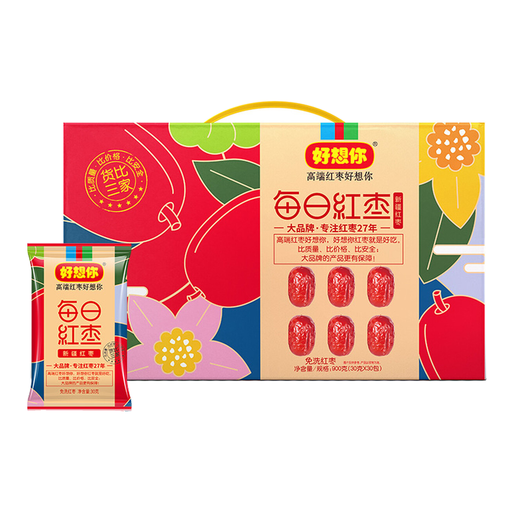 No image available
The separate 30g sachets suit meals away from home and match the NHS reference weight for one dried-fruit 5 A Day portion. These dates contain pits, so check and remove them before serving to children.
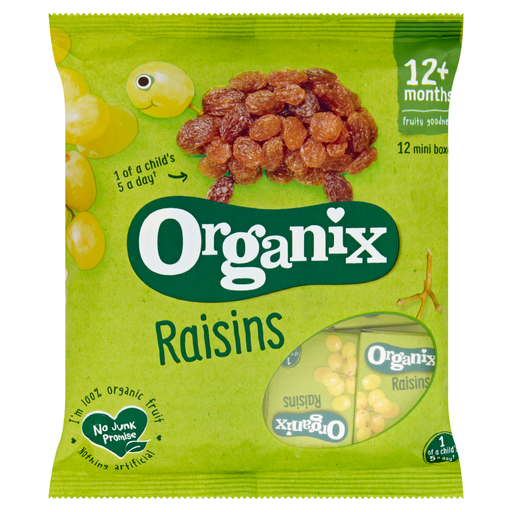 No image available
Twelve separate 14g boxes make it straightforward to pack individual servings with meals. Each box is smaller than the NHS 30g dried-fruit 5 A Day reference amount.
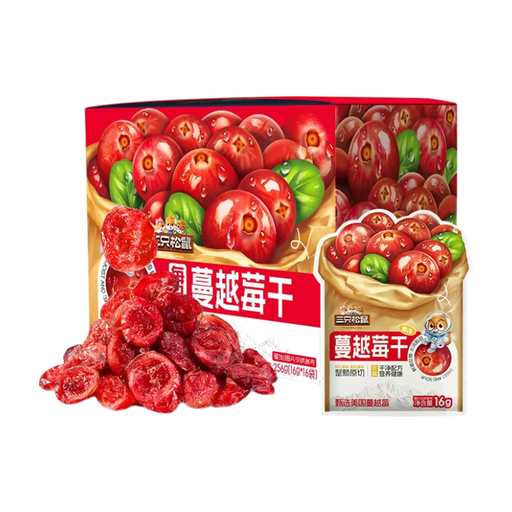 No image available
The 16g individual packs can be divided between packed meals. This cranberry product contains added sugar and sunflower oil, so check its ingredients if you want plain dried fruit; each pack is smaller than the NHS 30g portion reference.
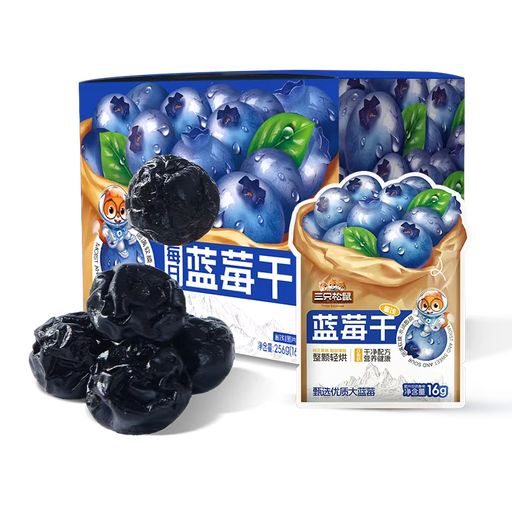 No image available
This blueberry multipack contains 16 separate 16g packs for dividing between meals. It contains added sugar and sunflower oil rather than just dried fruit; each pack is smaller than the NHS 30g dried-fruit portion reference.
Yes. The NHS says 30g of dried fruit counts as one 5 A Day portion. It also advises serving dried fruit at mealtimes rather than between meals to reduce tooth-decay risk.
Not automatically. For example, Sainsbury’s lists 14g per Mini Snack Raisins carton, below the NHS 30g dried-fruit 5 A Day reference. Check the weight of the particular box rather than judging by its packaging.
Check the exact ingredient and allergen statement when sulphites need to be avoided. The Food Standards Agency says sulphur dioxide and sulphites are often used in dried fruit, including raisins, apricots and prunes, and notes a higher risk of reaction for people with asthma.
Fresh fruit is an option for a child’s between-meal snack. NHS Healthy Families recommends fresh fruit and vegetables for children’s snacks, while separate NHS guidance advises keeping dried fruit to mealtimes because of tooth-decay risk.