Parents packing lunch each school day
Individual boxes are easy to place in a lunchbox. Compare how many are in a multipack and how much fruit each contains: Tesco lists 12 × 14g raisin boxes, while ASDA lists 10 × 14g mixed-fruit boxes.


Choose small raisin boxes for a repeatable portion, mixed-fruit boxes if your child wants variety, or fruit rolls when the current label meets a specific ingredient requirement. Check the pack size and allergen information for the exact product; the NHS advises having dried fruit with a meal rather than as a between-meal snack to reduce tooth-decay risk.
Individual boxes are easy to place in a lunchbox. Compare how many are in a multipack and how much fruit each contains: Tesco lists 12 × 14g raisin boxes, while ASDA lists 10 × 14g mixed-fruit boxes.
Read the label of the exact pack, including ingredients and any precautionary allergen statement. ASDA’s mixed-fruit snack boxes list sulphur dioxide and sulphites; free-from wording on another product does not establish what is suitable for every child.
The NHS advises eating dried fruit at mealtimes, not between meals, to reduce tooth-decay risk. A lunchbox pack can be included with lunch rather than set aside as a separate break-time snack.
Start with when the fruit will be eaten and any ingredient requirements, then choose a format and pack size your child will use.
| Priority | What to check | Your needs |
|---|---|---|
| Mealtime and portion | The NHS says 30g of dried fruit counts as one 5 A Day portion and advises eating it at mealtimes to reduce tooth-decay risk. Check the weight of an individual pack; a 14g box is smaller than that 30g benchmark. | I’m packing dried fruit to eat with lunch, rather than sending it as a separate between-meal snack. |
| Format and variety | Check the number and weight of the individual packs, and whether they contain one fruit or a mix. Tesco lists 12 × 14g seedless raisin boxes; ASDA lists 10 × 14g mixed-fruit boxes. | A familiar raisin box makes packing straightforward, but my child might prefer a mix of fruits. I need a format they are likely to eat. |
| Ingredients and allergens | Read the current ingredients, declared allergens and any “may contain” statement on the exact pack. ASDA’s mixed-fruit boxes declare sulphur dioxide and sulphites. The Food Standards Agency explains that precautionary wording signals possible unintended allergen presence. | If an allergy or sensitivity is relevant, I need to check this particular product against my child’s requirements, not rely on claims made for another flavour or brand. |
| Usable portions | Compare the individual pack count and size with the lunches you plan to pack. Check whether a roll, fruit box or sharing bag is the format you intend to use; the outer pack alone does not tell you the size of each serving. | For several school lunches, I want portions I can pack as intended without assuming every item in a larger pack will suit my child. |
The NHS advises having dried fruit at mealtimes rather than between meals to reduce tooth-decay risk. A “no added sugar” statement does not change that timing advice.
Pack it to eat as part of lunch rather than as a separate snack for grazing.
ASDA’s mixed-fruit snack boxes declare sulphur dioxide and sulphites. The Food Standards Agency says “may contain” wording can indicate possible unintended presence of a regulated allergen.
Check the current physical pack, including precautionary statements, against the child’s requirements and the school’s allergy policy.
Individual portions differ: the Tesco and ASDA snack-box listings each specify 14g per box, while the listed BEAR Blackcurrant Fruit Yoyos contain 20g per roll.
Check both the number of packs and the amount in each one, as well as whether the child will eat that format.
ASDA’s mixed-fruit snack boxes warn that small children can choke on small pieces of fruit. Being old enough for school does not remove the need to consider an individual child’s eating ability.
Follow the product warning and choose a format appropriate for the child.
Tesco Groceries lists its Seedless Raisins as 12 individual 14g boxes.
ASDA Groceries lists Mixed Fruit Snack Boxes as 10 individual 14g boxes, with different fruit combinations.
ASDA Groceries lists BEAR Blackcurrant Fruit Yoyos as four 20g fruit rolls and describes that product as made from 100% fruit.
Whitworths lists Sunny Raisins in small boxes and provides nutrition information per 14g box.
These options include portioned fruit products and fruit-flavoured snacks for packed lunches. Check each product’s ingredients and format before choosing it as a dried-fruit multipack.
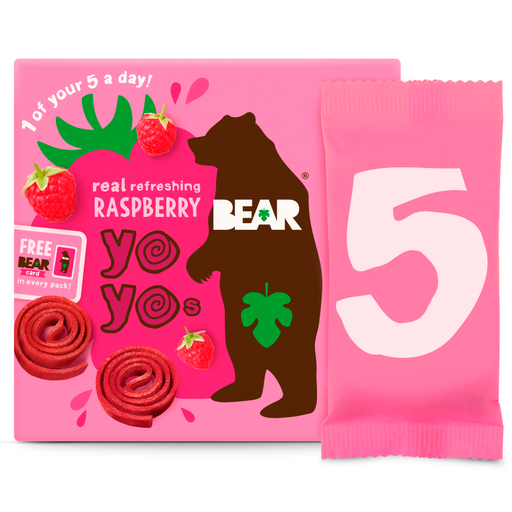 No image available
Five raspberry fruit rolls provide individually sized options for lunch. Check this flavour’s current ingredient and allergen label rather than applying claims made for the separately listed Blackcurrant product.
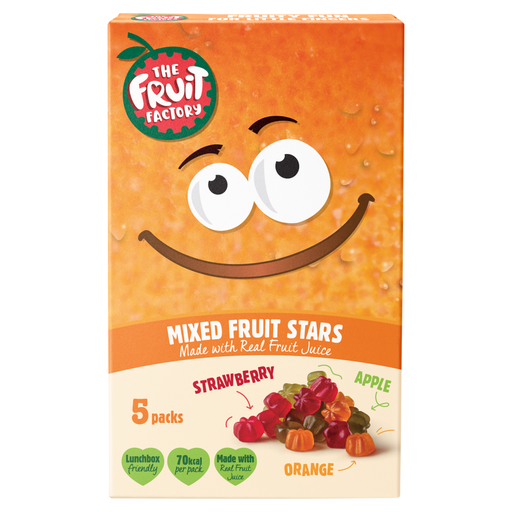 No image available
The five-pack format may suit lunches where a mixed-fruit-flavoured snack is wanted. Check its ingredients and the school’s packed-lunch policy if you are looking specifically for plain dried fruit.
 No image available
The stated 16 individual 16g packs offer a repeatable blueberry option for lunches. Check the current ingredient and allergen label if either affects your choice.
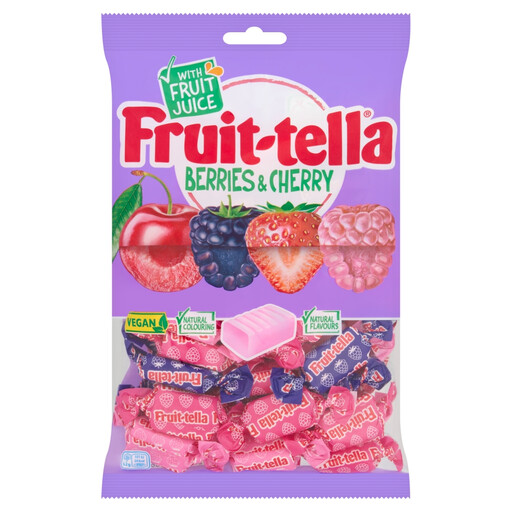 No image available
This 300g fruit-flavoured confectionery option is different from an individually boxed dried-fruit multipack. Check its ingredients, how you would portion it and the school’s packed-lunch policy.
Not necessarily. The NHS says 30g of dried fruit counts as one 5 A Day portion; a 14g box is smaller than that general benchmark. Check the amount in the pack rather than treating every individual box as a full portion.
The NHS advises eating dried fruit at mealtimes rather than between meals to reduce tooth-decay risk. If you include it in a packed lunch, pack it to eat with lunch rather than as a separate break-time snack.
Read the ingredients and allergen statements on the exact current pack. ASDA’s mixed-fruit snack boxes declare sulphur dioxide and sulphites; the Food Standards Agency explains that “may contain” wording signals possible unintended allergen presence. Assess the label against the child’s requirements and school policy.
The Department for Education says those legal standards apply to food and drink provided to pupils in state-funded schools in England. That scope does not, by itself, set a rule for food brought from home; check the individual school’s packed-lunch and allergy policy.