Households sharing from the sofa
Separate cartons or bags let people take their own pack instead of passing around an open bag. Check the inner-pack count and weight against the number of people sharing.


For a shared TV night, choose individual packs by the number of people, the weight of each pack and whether everyone wants the same fruit. A 30g dried-fruit pack matches the NHS reference for one 5 A Day portion; smaller cartons suit those who want less, while a variety pack offers a choice of fruits. Check the exact ingredients before sharing, and bear in mind that the NHS advises eating dried fruit at mealtimes rather than between meals to reduce tooth-decay risk.
Separate cartons or bags let people take their own pack instead of passing around an open bag. Check the inner-pack count and weight against the number of people sharing.
A mango-and-apricot variety pack offers two fruits in one multipack, unlike a pack containing only raisins. Check the ingredients of the exact variety before serving it.
Read the ingredient and allergen statements on the exact pack, particularly when considering dried fruit containing sulphites or a fruit-and-nut mix.
Start with the number and size of the inner packs, then compare fruit choice and the label for everyone who will be sharing.
| Priority | What to check | Your needs |
|---|---|---|
| Pack size | Check the number of inner packs and their individual weights, not just the total weight. The NHS identifies 30g of dried fruit as one 5 A Day portion; a 14g carton is smaller. | I want enough separate packs to go round, with an amount that suits each person. |
| Fruit choice | Read which fruits are inside and how many packs contain each. Whitworths lists two 30g mango packs and three 30g apricot packs in its 1DERS Fruit Variety Pack. | Different people might want different fruits, rather than everyone having raisins. |
| Ingredients | Check the exact ingredient and allergen statements, including any precautionary wording. Distinguish fruit-only packs from fruit-and-nut mixes. | Before I offer a pack to guests, I need to know what is in that particular product. |
| Eating occasion | Consider whether TV time is part of a meal. The NHS advises eating dried fruit at mealtimes rather than between meals to reduce tooth-decay risk. | If we are watching TV well after dinner, I do not want to mistake a 5 A Day portion reference for advice to snack on dried fruit at any time. |
Inner packs differ: Sainsbury's Mini Snack Raisins contain 14g per carton, while the NHS reference for one dried-fruit 5 A Day portion is 30g.
Read the count and individual weight. Choose by the amount you intend to serve rather than treating every carton as equivalent.
The NHS advises having dried fruit at mealtimes, not as a between-meal snack, to reduce tooth-decay risk.
If TV time is separate from a meal, take that advice into account when planning what to share.
Whitworths lists sodium metabisulphite and sulphur dioxide in its mango-and-apricot variety pack. The Food Standards Agency notes that sulphites are often used in dried fruit.
Check the exact pack's ingredients and allergen statement before offering it to someone with relevant sensitivities or allergy concerns.
These product-line examples illustrate different multipack formats; they are not a list of products in the Joybuy selection below.
Whitworths lists a 1DERS mango-and-apricot variety pack with five individual 30g packs, as well as fruit-and-nut multipacks.
Tesco Groceries lists Seedless Raisins 12 Pack 168G among its dried-fruit products.
Sainsbury's lists Mini Snack Raisins as 12 individual 14g cartons, totalling 168g.
These individually packed fruit snacks and one fruit-and-nut mix offer different pack counts and flavours for sharing. They are not all raisin cartons or direct substitutes for a mango-and-apricot variety pack; check each label before serving.
 No image available
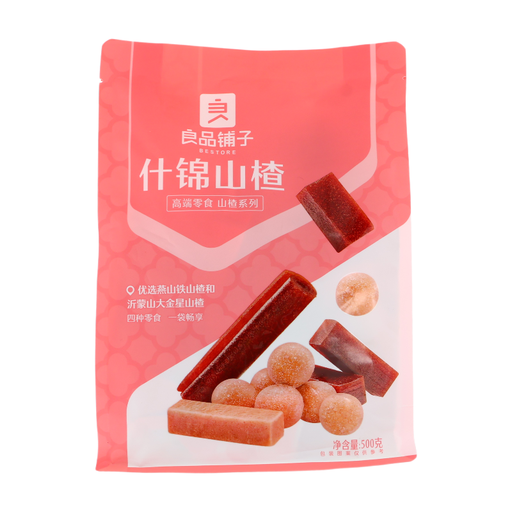
The 25 small bags provide separate packs for sharing. This is a hawthorn snack, so check that its flavour suits the group rather than expecting a mix of different fruits; confirm the weight of each inner bag on the pack.
 No image available
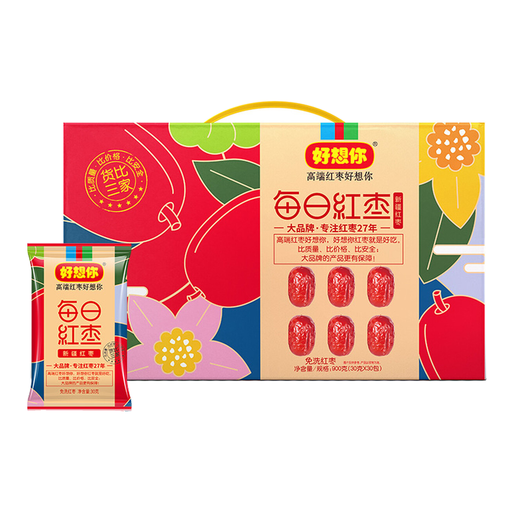
Thirty separate 30g sachets give a group individual packs at the NHS reference weight for a dried-fruit 5 A Day portion. These are red dates rather than a fruit variety; take care over the stated possibility of pits.
 No image available
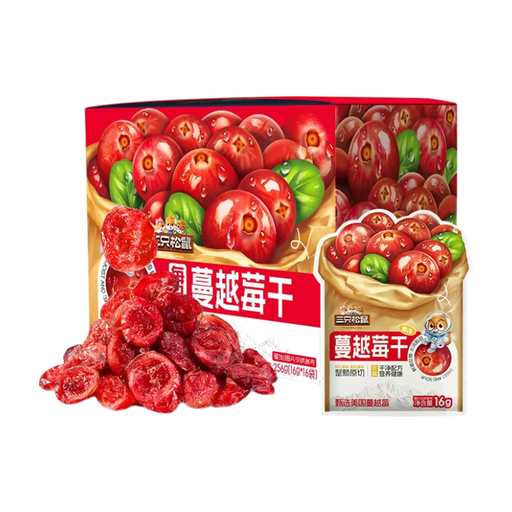
Sixteen individual 16g cranberry packs suit sharing when smaller amounts are wanted. Each pack is below the NHS 30g dried-fruit 5 A Day reference; this is not a mixed-fruit selection.
 No image available
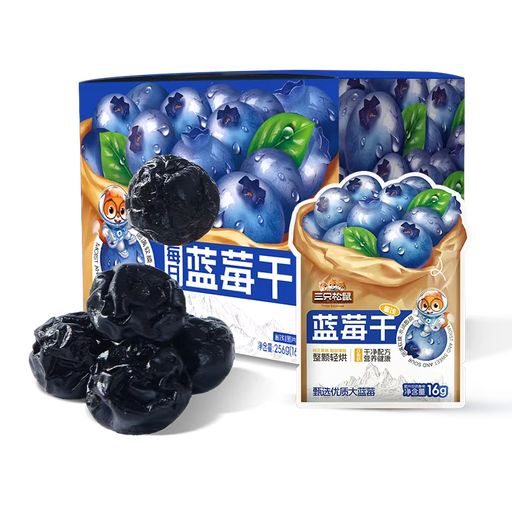
This blueberry option has sixteen individual 16g packs for sharing smaller amounts. It contains one fruit type, and each inner pack is below the NHS 30g dried-fruit 5 A Day reference.
 No image available
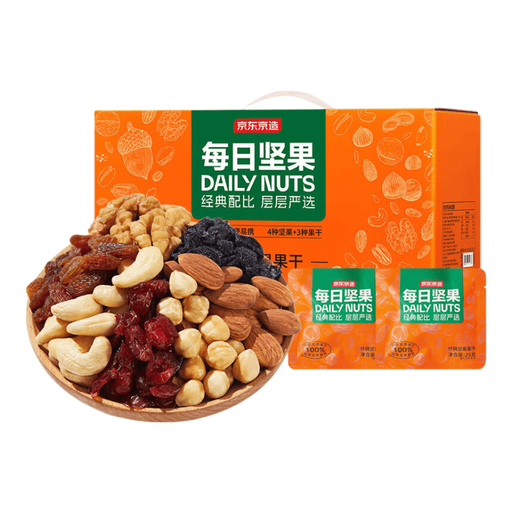
Thirty sachets offer individual fruit-and-nut mix packs rather than dried fruit alone. Check the full label before sharing: the product information identifies walnuts, almonds, cashews and hazelnuts. Its 25g sachet weight is for the mix, not 25g of dried fruit.
Individual packs make sharing straightforward, but the eating occasion matters. The NHS advises eating dried fruit at mealtimes rather than as a between-meal snack to reduce tooth-decay risk.
Choose the size for the amount you intend to serve. The NHS says 30g of dried fruit counts as one 5 A Day portion; Sainsbury's Mini Snack Raisins, for comparison, come in smaller 14g cartons.
Yes, check the exact product label when sulphites are a concern for anyone sharing. The Food Standards Agency notes that sulphur dioxide and sulphites are often used in dried fruit, and Whitworths lists sodium metabisulphite and sulphur dioxide in its mango-and-apricot variety pack.
No. Dried-fruit-only packs and fruit-and-nut mixes are different products. Read the exact ingredients, allergen declaration and any precautionary statement before serving a pack to a group.