Parents packing a nursery lunch
If you are choosing food for a child aged one to five, consider how a dried-fruit portion fits into the whole lunch and whether the nursery accepts it.


For a lower-energy dried-fruit portion, compare labels at the same weight: ASDA Groceries lists Whitworths Amazing Apricots at 233 kJ, about 56 kcal, per 30 g, while Sainsbury's lists its Ready to Eat Dried Apricots at 68 kcal and ASDA lists its Seedless Raisins at 96 kcal per 30 g. Energy is only one part of the nursery-lunch decision. The NHS advises serving dried fruit at mealtimes because it can stick to teeth; check the nursery's food rules and prepare pieces for the individual child.
If you are choosing food for a child aged one to five, consider how a dried-fruit portion fits into the whole lunch and whether the nursery accepts it.
If energy per portion matters to you, compare products at the same weight. A small pack and a 30 g serving cannot be compared by their listed calories alone.
If the child eats raisins, sultanas or firm pieces of dried fruit, consider preparation as well as portion size. The NHS advises keeping dried fruit to mealtimes because it can stick to teeth.
Start with energy at a comparable weight, then check ingredients, the form of the fruit and how it will be served at nursery.
| Priority | What to check | Your needs |
|---|---|---|
| Energy per portion | Compare kcal or kJ at the same weight, using the per 100 g label if serving sizes differ. ASDA Groceries lists Whitworths Amazing Apricots at 233 kJ, about 56 kcal, and ASDA Seedless Raisins at 96 kcal per 30 g; Sainsbury's lists its Ready to Eat Dried Apricots at 68 kcal per 30 g. | I want to know what the portion I pack contributes, rather than assume every dried-fruit pack has the same energy. |
| Ingredients and mealtimes | Read the ingredients for added sugar and check the amount in the intended portion. The NHS advises eating dried fruit at mealtimes because it can stick to teeth, including when a product says it has no added sugar. | A no-added-sugar claim matters to me, but I still need to decide when the child will eat the fruit. |
| Texture and pieces | Inspect fruit for stones or fragments and consider whether its texture suits the child. Lambeth Council advises soaking raisins and sultanas to soften them and halving large pieces. | If I pack small round or firm pieces, I need to prepare them for the individual child rather than rely on the pack format. |
| Nursery lunch rules | Check the setting's packed-lunch and allergy rules, including whether a product containing sulphites is accepted. Keep dried fruit as part of the lunch rather than using a lower-energy choice to replace the rest of the meal. | I need a portion the nursery can serve within the child's usual lunch arrangements. |
On a 30 g basis, ASDA Groceries lists Whitworths Amazing Apricots at about 56 kcal and ASDA Seedless Raisins at 96 kcal. Different pack sizes can obscure that comparison.
Compare the same weight using the nutrition label; do not compare the calories in an 18 g pack directly with those in a 30 g serving.
The NHS says dried fruit can stick to teeth and advises eating it at mealtimes to reduce the risk of tooth decay.
Include dried fruit with lunch rather than packing it for repeated grazing between meals.
Lambeth Council identifies raisins, sultanas and hard dried fruit among choking hazards for young children.
Follow the nursery's instructions and prepare fruit for the individual child. Lambeth Council advises softening raisins and sultanas by soaking them and halving large pieces.
ASDA Groceries and Sainsbury's list sulphites in the Whitworths Amazing Apricots and Sainsbury's Ready to Eat Dried Apricots respectively. Dried-apricot packs may also warn about stones.
Read the current pack, inspect the fruit and ask the nursery about its packed-lunch and allergy rules before sending it.
Its Amazing Apricots and Clever Cranberries illustrate why the specific product matters more than the brand name when comparing dried fruit.
Its Ready to Eat Dried Apricots provide a labelled 30 g serving for comparison.
Its Seedless Raisins offer a like-for-like labelled energy comparison with the cited apricot products.
These options include dried figs, prunes and raisins, alongside a prune purée. The purée and prunes in juice are different formats from dry pieces of fruit, so compare their labels at the same weight and consider how each would be served at lunch.
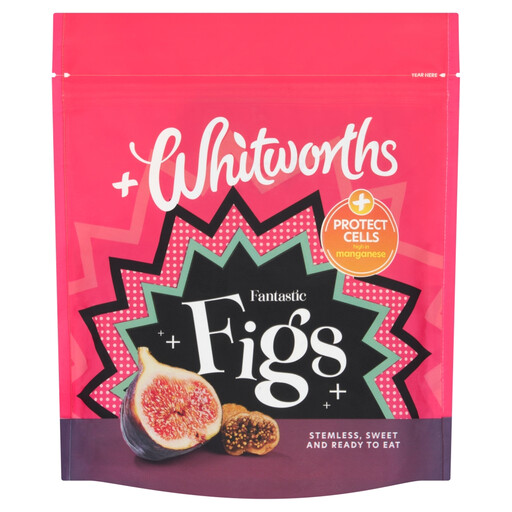 No image available
For a fig option in a nursery lunch, compare the pack's energy label with other fruit at the same weight. Check the texture and prepare pieces for the child; serve dried fruit with the meal, as the NHS advises.
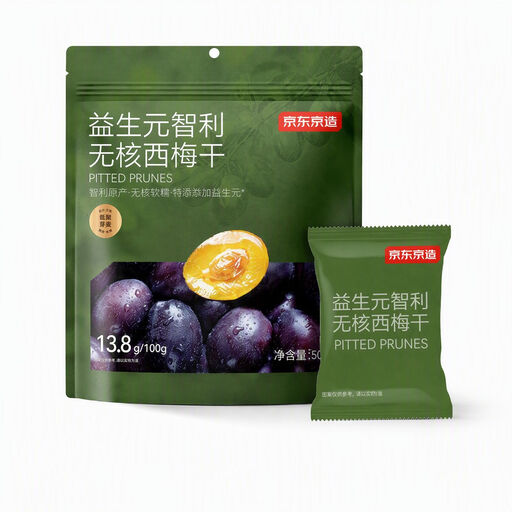 No image available
These prunes are described as individually wrapped, which may help when packing a portion. Check the current ingredients rather than relying on the sugar-free wording in the longer product title, and assess the fruit's texture before serving.
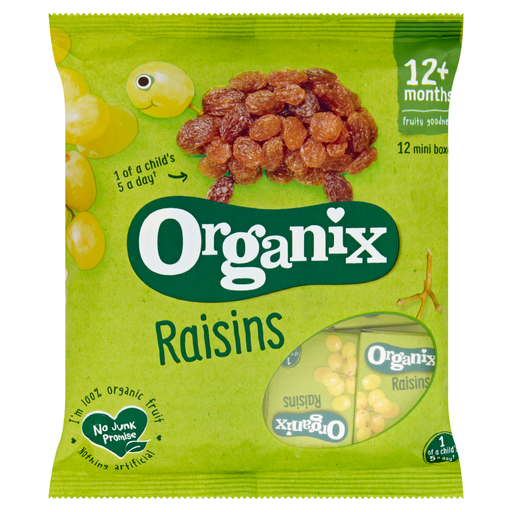 No image available
The 14 g boxes make the packed amount clear, but compare energy at the same weight as other products. The 12+ months label does not replace preparation for the individual child: Lambeth Council advises softening raisins by soaking them and halving large pieces.
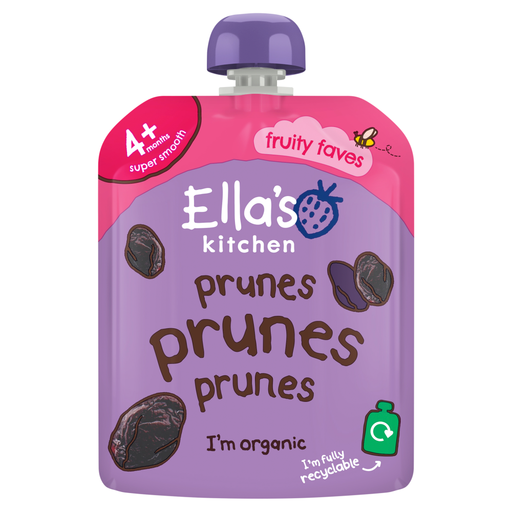 No image available
This is a prune purée rather than pieces of dried fruit, so its pack energy should not be compared with a dried-fruit serving of a different weight. Check whether a purée suits the child's lunch and the nursery's food rules.
 No image available
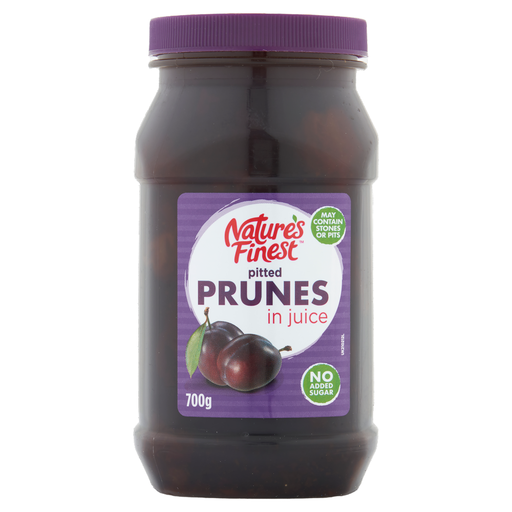
These pitted prunes are packed in juice, a different format from dry fruit. Check the pack's energy and storage instructions when portioning from the 700 g container, and inspect each serving for possible stones or fragments.
No. Compare the amount you would pack at a consistent weight: ASDA Groceries lists Whitworths Amazing Apricots at about 56 kcal per 30 g and ASDA Seedless Raisins at 96 kcal per 30 g, while Sainsbury's lists its Ready to Eat Dried Apricots at 68 kcal per 30 g. A lower-energy fruit portion should still fit within the child's full lunch.
Include it with lunch or another mealtime. The NHS advises eating dried fruit at mealtimes because it can stick to teeth and says this reduces the risk of tooth decay.
Prepare them for the individual child and follow the nursery's instructions. Lambeth Council identifies hard dried fruit, raisins and sultanas as choking considerations; it advises soaking raisins and sultanas to soften them and halving large pieces.
Yes. The Whitworths Amazing Apricots listed by ASDA Groceries and Sainsbury's Ready to Eat Dried Apricots both list sulphites. Read the current pack and check the nursery's allergy arrangements before packing them.