Families packing lunches regularly
A larger bag may suit households that portion dried fruit at home and will use the pack regularly. Choose a size you can store and use while keeping the fruit for lunch rather than between-meal grazing.


For regular nursery lunches, a larger bag makes sense if you can portion and use the fruit at home; individual packs make lunch preparation simpler but offer less flexibility over portion size. Check the exact ingredients and the nursery’s rules whichever format you choose. The NHS advises giving toddlers dried fruit with meals rather than between meals because its sugars can cause tooth decay.
A larger bag may suit households that portion dried fruit at home and will use the pack regularly. Choose a size you can store and use while keeping the fruit for lunch rather than between-meal grazing.
Individual packs can simplify putting fruit into a lunchbox. Check the ingredients and the amount in each pack rather than assuming every multipack suits the child or the nursery.
If the nursery has a food-from-home policy, or the child has an allergy, intolerance or other dietary requirement, check the setting’s instructions and the current label for the exact product before buying several packs.
Decide whether you will portion fruit at home or use individual packs, then check that the product and eating occasion fit the child’s lunch routine.
| Priority | What to check | Your needs |
|---|---|---|
| Pack format | Compare the total pack size with the amount in each individual pack, if applicable. Consider whether you can portion and store a larger bag for regular lunches. | I pack lunches often and can portion fruit at home, or I would rather put a ready-made pack straight into the lunchbox. |
| Fruit and ingredients | Check the exact fruit type and full ingredient list. A mixed-fruit bag and a plain-fruit bag are not interchangeable just because their pack sizes match. | I want to know what fruit I am sending and whether the other listed ingredients fit the child’s requirements. |
| Allergens | Read the current label for the exact variant, including its allergen information. A Sainsbury’s listing for Whitworths 1Ders mango and apricot packs names sodium metabisulphite and sulphur dioxide. | If an ingredient matters for my child, I need to check this pack rather than rely on the brand name or another variety’s label. |
| Meal timing | Plan dried fruit as part of lunch, not a separate between-meal snack for a toddler. The NHS gives this advice because the sugars in dried fruit can cause tooth decay. | I want the fruit to be eaten with lunch. If the food is for a separate snack, I need to choose accordingly. |
| Nursery rules | Ask for the setting’s current food-from-home and allergy instructions. Before serving fruit to a young child, check for hard stones or pips and remove them, as Foundation Years’ early-years choking guidance advises. | I need the lunch to fit this nursery’s rules and to be prepared for the child who will eat it. |
The NHS advises giving toddlers dried fruit such as raisins with meals because its sugars can cause tooth decay. Medway Community Healthcare also notes that dried fruit can stick to teeth.
Pack it to be eaten with nursery lunch rather than leaving an open bag for repeated snacking.
A large plain-fruit bag and a large mixed-fruit bag can contain different ingredients, so size alone does not establish which fits a particular lunch.
Check the fruit and ingredients first, then choose a pack size you can portion and use.
The Sainsbury’s listing for Whitworths 1Ders mango and apricot packs names sodium metabisulphite and sulphur dioxide. Another product or variant needs its own label check.
Read the current ingredients and allergen information against the child’s requirements and the nursery’s instructions.
A food-from-home policy may affect what the setting accepts. The Department for Education’s early-years nutrition guidance applies to providers in England, while Devon County Council notes that settings may implement packed-lunch policies.
Ask the nursery about its current packed-lunch and allergy rules before committing to a larger supply.
Tesco’s grocery listings provide examples of large own-brand packs for home portioning.
Whitworths lists dried-fruit multipacks, including a 1Ders mango and apricot variety format.
Sunsweet’s own dried-fruit range describes fruits including apricots, dates and cherries.
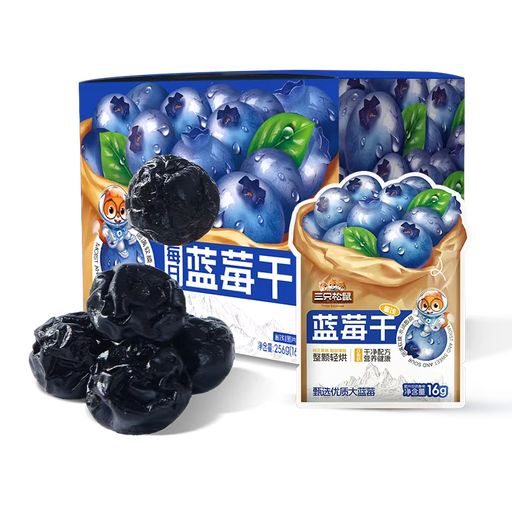
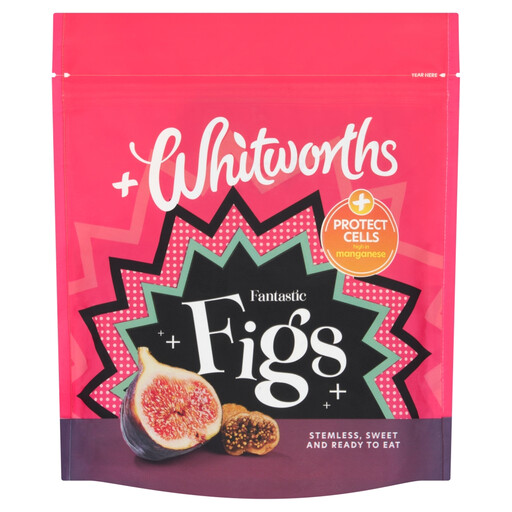
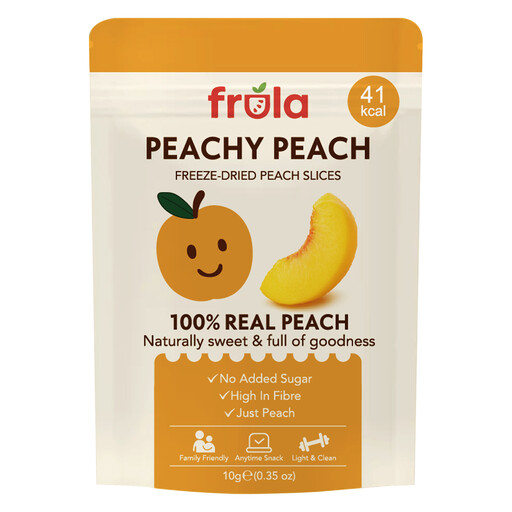
These options include individual raisin and blueberry packs, a 175g fig pack and a single 10g freeze-dried peach pack. The last two call for a different portioning decision from a lunchbox multipack.
 No image available
The 12 x 14g format offers individual raisin portions for lunches. Check the nursery’s rules and give dried fruit with the meal, in line with NHS advice for toddlers.
 No image available
The 256g box contains 16 individual 16g packs. Check the current ingredients, including any added sugar, before deciding whether this variety fits the child’s lunch and the nursery’s rules.
 No image available
This 175g fig pack is an option for portioning at home rather than a large bulk bag. Check the current ingredients and remove any hard stones or pips before serving fruit to a young child.
 No image available
This is a single 10g freeze-dried peach pack, not a bulk bag or multipack for repeated lunches. Check the label and whether its format suits the child and nursery before choosing it.
Dried fruit can be included with lunch, subject to the child’s needs and the nursery’s rules. The NHS advises giving toddlers dried fruit such as raisins with meals rather than between meals because its sugars can cause tooth decay.
Choose a larger bag if you regularly prepare lunches and can portion and use the fruit at home; choose individual packs if ready-made portions are more useful. In either case, check the exact ingredients, pack size and nursery policy rather than judging the format alone.
Yes, ask for its current packed-lunch and allergy instructions before buying several packs. Devon County Council notes that early-years settings may implement policies for food brought from home, so the relevant rules are those of the child’s setting.
Read the fruit type, full ingredients and allergen information for the exact pack. A Sainsbury’s listing for Whitworths 1Ders mango and apricot packs, for example, names sodium metabisulphite and sulphur dioxide; do not assume another variety has the same ingredients.
Yes. Foundation Years’ early-years choking guidance says to check fruit for hard pips or stones and remove them before serving. Follow the child’s usual age-appropriate preparation and supervision arrangements as well.