Choose plain dried fruit when you want a measured fruit portion for a holiday meal, not a protein-led snack: the fruit-only products listed by M&S, Sainsbury’s and ASDA in these examples contain 1.0g to 4.8g protein per 100g. If protein per portable serving matters more, compare fruit-and-nut bars by their per-bar nutrition, sugars and allergens; the bars cited here contain more protein per pack, but they are not substitutes for plain fruit.
Who is each snack for?
Holidaymakers looking for protein in a portable snack
Compare the amount of protein in the bar you would actually eat, alongside its ingredients. A fruit-and-nut bar may suit this aim better than plain dried fruit, provided its allergens are suitable.
Families packing fruit portions
A measured dried-fruit pack makes the portion clear. The NHS says 30g counts as one 5 A Day portion and advises eating dried fruit at mealtimes rather than between meals to reduce the risk of tooth decay.
Shoppers checking nut and peanut allergens
Fruit-and-nut bars need a close look at both ingredients and may-contain statements. For example, Eat Natural’s Peanuts, Almonds & Cocoa bar contains peanuts and almonds, while the nākd Cherry bar contains peanuts, according to their product information.
What matters when choosing?
Start with whether you want a fruit portion or protein in a portable serving, then check the pack you plan to take and when you will eat it.
| Priority | What to check | Your needs |
|---|
| Protein per serving |
Compare protein for the portion you will eat, not just per 100g. Eat Natural lists 8.0g per 40g Peanuts, Almonds & Cocoa bar; nākd lists 6.2g per 45g Cherry bar. Check ingredients as well as the protein wording on the front. |
If protein is my main reason for packing a snack, I want to know what one bar provides. If I mainly want fruit, I need not treat its protein content as the deciding feature. |
| Portion and timing |
The NHS identifies 30g of dried fruit as one 5 A Day portion and advises eating it at mealtimes rather than between meals. Check the weight of an individual pack or bar. |
For a day out, a defined portion helps me plan what to pack and when to eat dried fruit, rather than repeatedly eating from a larger bag. |
| Sugars and ingredients |
Read sugars per 100g and per bar on the same basis when comparing products. M&S lists 62.1g sugars per 100g for its dried cherries; check whether a fruit mix includes sweetened fruit or juice. |
I want to know what is in the particular fruit snack or bar, without assuming that fruit-based or no-added-sugar wording describes its total sugars. |
| Allergens |
Read the current ingredients and may-contain statement. Eat Natural lists peanuts and almonds in its Peanuts, Almonds & Cocoa bar; nākd lists peanuts in its Cherry bar. ASDA lists sulphites for its apricots. |
When I pack food for someone else, I need to check that exact product’s label rather than assuming all dried-fruit snacks have the same ingredients. |
Buying pitfalls to avoid
-
Assuming dried fruit supplies much protein
Fruit-only examples differ: M&S lists 1.0g protein per 100g for dried cherries, Sainsbury’s lists 2.4g for BEAR Mango & Passionfruit, and ASDA lists 4.8g for its apricots. Those per-100g figures do not describe the amount in a smaller travel portion.
Check protein for the amount you intend to eat. If protein is the main aim, compare a suitable bar or choose a separate protein-containing food alongside the fruit.
-
Choosing by the word “protein” alone
A protein-labelled bar still needs a serving-size check: Eat Natural lists 8.0g per 40g Peanuts, Almonds & Cocoa bar, while nākd lists 6.2g per 45g Cherry bar. The products also have different ingredients.
Compare protein, sugars, serving size and allergens on the current packs rather than treating the front-of-pack wording as a complete comparison.
-
Overlooking nuts and may-contain statements
The peanuts or almonds in the fruit-and-nut examples are material to anyone packing food around those allergens. Eat Natural also lists possible cross-contact with other nuts, milk and soya for its Peanuts, Almonds & Cocoa bar.
Read the ingredient and allergen declaration on the specific pack before choosing it for yourself or somebody else.
-
Grazing on dried fruit throughout a day out
The NHS advises eating dried fruit at mealtimes rather than between meals to reduce the risk of tooth decay. It identifies 30g as one 5 A Day portion.
Pack a measured portion with a planned meal instead of treating a large bag as a single serving.
Brand and retailer examples
These product-line examples show why fruit portions and fruit-and-nut bars need different label checks; a brand name alone does not establish the nutrition of every product it sells.
Whitworths
Offers portioned dried fruit as well as fruit-and-nut mixes.
- Whitworths lists 4.1g protein per 30g pack for its 1DERS Energising Fruit and Nut Mix.
- That mix contains peanuts and sweetened dried cranberries; it is not a plain dried-fruit portion.
nākd.
Its Cherry product is a portioned fruit-and-nut bar rather than plain dried fruit.
- nākd lists 6.2g protein per 45g Cherry bar.
- The Cherry bar contains peanuts and may contain soya and other nuts.
Eat Natural
Its Peanuts, Almonds & Cocoa bar is an example for comparing protein per portable serving.
- Eat Natural lists 8.0g protein per 40g bar for this variety.
- It contains peanuts and almonds and may contain other nuts, milk and soya.
M&S
Its fruit-snack range includes plain-fruit choices and fruit-and-nut mixes.
- The range lists formats including dried mango, apricots, cherries and fruit-and-nut medleys.
- M&S lists 1.0g protein per 100g for its dried cherries; check each product rather than assuming the range has a common protein content.
ASDA
Its own-label apricots offer a dried-fruit example with a stated nutrition panel.
- ASDA lists 4.8g protein per 100g for its apricots.
- The apricots contain sulphites and carry a may-contain warning for nuts and peanuts.
Joybuy bar options for days out
These bar multipacks are options for the fruit-and-nut or protein-bar route, not plain dried-fruit portions. Compare the nutrition and ingredients of the exact variety before choosing one for a holiday meal or day out.
 No image available
Nature Valley Protein Peanut & Chocolate Bar, 4 × 40g
The 4 × 40g bar format offers defined portions to pack for a day out. Check protein per bar and the peanut, soya and milk allergen information on the pack.
View on Joybuy
 No image available
Nature Valley Protein Salted Caramel Nut Bar, 4 × 40g
This is another 4 × 40g bar option for portioned packing. Compare its protein per bar with the other varieties and check the pack for peanuts, almonds, soya and milk.
View on Joybuy
 No image available
nākd Peanut Delight, 4 × 35g
The title identifies a 4 × 35g Peanut Delight pack. Confirm the exact flavour, ingredients, allergens and nutrition on the pack before using any per-bar protein figure: the accompanying product details refer to a different flavour.
View on Joybuy
 No image available
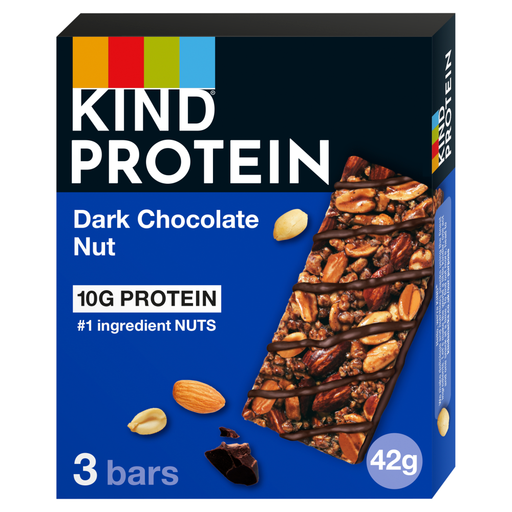
KIND Protein Dark Chocolate Nut Bars, 3 × 42g
The 3 × 42g format gives you individual bars to compare with other serving sizes. Check protein per bar and the peanut, almond and soya allergen information before packing it.
View on Joybuy
 No image available
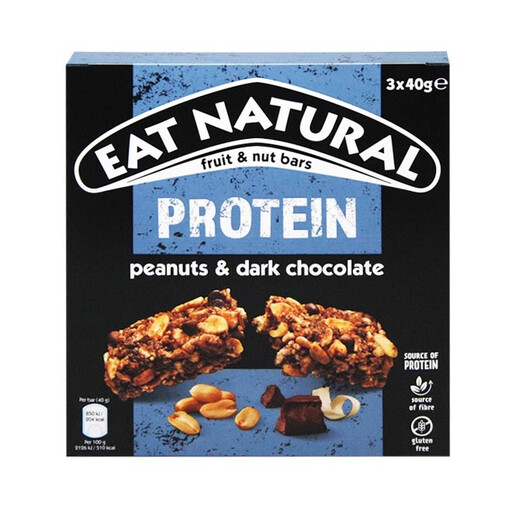
Eat Natural Peanuts and Chocolate Energy Bar, 3 × 40g
This Peanuts and Chocolate variety comes as 3 × 40g bars. Joybuy’s product information lists 22.8g protein per 100g; check the per-bar panel and allergens on the pack. It is a different variety from Eat Natural’s Peanuts, Almonds & Cocoa bar discussed above.
View on Joybuy
Questions about dried fruit and protein
Is dried fruit a protein-led snack?
Not if you are relying on the fruit-only examples here for a substantial amount per serving. M&S lists 1.0g protein per 100g for dried cherries, Sainsbury’s lists 2.4g for BEAR Mango & Passionfruit, and ASDA lists 4.8g for apricots; check the amount in the portion you will actually eat.
Should I choose a fruit-and-nut bar instead of dried fruit?
Choose a fruit-and-nut bar if protein per portable serving is the priority and its ingredients are suitable for you; choose plain dried fruit if you mainly want a fruit portion. Eat Natural lists 8.0g protein per 40g Peanuts, Almonds & Cocoa bar, and nākd lists 6.2g per 45g Cherry bar, but both contain peanuts.
How much dried fruit counts as one 5 A Day portion?
The NHS says 30g of dried fruit counts as one 5 A Day portion. Check the weight of a small pack rather than assuming the whole pack is one portion.
When should I pack dried fruit to eat?
The NHS advises eating dried fruit at mealtimes rather than between meals to reduce the risk of tooth decay. A measured portion packed with a holiday meal follows that guidance more closely than grazing from a bag throughout the day.
Which allergens should I check in fruit-and-nut bars?
Read the current pack’s ingredients and may-contain statement. Eat Natural’s Peanuts, Almonds & Cocoa bar contains peanuts and almonds and may contain other nuts, milk and soya; nākd’s Cherry bar contains peanuts and may contain soya and other nuts.


