Parents packing school lunches
Compare protein per portion if the snack has a protein goal, then check the exact ingredients and the school’s allergy arrangements.


Choose plain dried fruit as a fruit portion with a meal, rather than relying on it for protein: Whitworths lists 0.5g protein per 14g box of Sunny Raisins. If protein is the priority, compare the labelled amount per serving on a fruit-and-nut mix or protein bar; Sainsbury’s lists 4.1g per 30g Whitworths mix and 10.4g per 40g Eat Natural bar. Check the exact allergens and the school’s policy before choosing a nut-containing option.
Compare protein per portion if the snack has a protein goal, then check the exact ingredients and the school’s allergy arrangements.
A portioned fruit-and-nut mix or bar offers a packable format. Its protein figure and allergen statement matter more than the format alone.
Check nut-containing mixes against individual needs and school rules. Plain dried fruit is not automatically free of sulphur dioxide or sulphites; read its label too.
Decide whether the snack’s main job is to provide a fruit portion or a stated amount of protein. Then check portion size, ingredients and whether it can be taken to school.
Choose it when: You want a compact fruit portion with breakfast or lunch, rather than a protein-led snack.
Trade-off: The checked raisin portion contains much less protein than the checked mixes and bars; NHS advice also places dried fruit at mealtimes.
Choose it when: A portioned mix suits the pupil and its nuts are permitted under the school’s policy.
Trade-off: The checked Whitworths mix contains peanuts, may contain nuts and sesame, and carries a choking warning for small children, according to its Sainsbury’s listing.
Choose it when: A labelled protein amount per bar is the priority and the ingredients suit the pupil.
Trade-off: A bar is not equivalent to plain dried fruit; the checked examples include peanuts and other ingredients that need an individual label check.
| Priority | What to check | Your needs |
|---|---|---|
| Protein per portion | Compare protein for the amount actually packed, not just per 100g or a front-of-pack description. Whitworths lists 0.5g per 14g raisin box; Sainsbury’s lists 4.1g per 30g Whitworths mix, 6g per 45g nākd. Cherry bar and 10.4g per 40g Eat Natural bar. | I’m choosing this snack for its protein contribution, so I need the figure for the specific serving I’ll pack. |
| School allergens | Check the current pack for peanuts, tree nuts, sesame, soya, milk and any ‘may contain’ statement relevant to the pupil. Check the individual school’s allergy policy as well. | A portable mix or bar only works for our lunchbox if its ingredients fit the pupil’s needs and the school’s arrangements. |
| Portion and timing | The NHS says 30g dried fruit counts as one 5 A Day portion and advises having dried fruit at mealtimes rather than between meals to reduce tooth-decay risk. | I want dried fruit with breakfast or lunch, rather than as something to graze on throughout the school day. |
| Added ingredients | Read the ingredient list for sweetened fruit and preservatives. The checked Whitworths mix includes sweetened dried cranberries; the Food Standards Agency notes that sulphur dioxide and sulphites are often used in dried fruit. | If ingredients or sulphites matter to our choice, the wording on the exact pack is more useful than a general ‘fruit’ description. |
Whitworths Sunny Raisins contain 0.5g protein per 14g box, so that portion serves a different purpose from a protein-led snack.
Compare the protein amount per pack or serving, then check ingredients and allergens separately.
The checked fruit-and-nut mixes and bars include peanuts or other declared allergens. Suitability depends on the pupil and the school’s arrangements.
Read the exact pack, including ‘may contain’ wording, and check the school’s current allergy policy before packing it.
The NHS advises eating dried fruit at mealtimes rather than between meals to reduce tooth-decay risk.
Put the portion with breakfast or lunch when planning where it fits in the school day.
A mix can include sweetened fruit, while sulphur dioxide or sulphites may appear in dried-fruit ingredients.
Read the ingredient and allergen information on the particular pack, especially when sulphites need to be avoided.
These examples illustrate different snack formats; a brand name alone does not establish the protein or allergen details of another product in its range.
Its checked products include plain raisin portions and a portioned fruit-and-nut mix.
The checked Cherry Protein Bar is a fruit-and-peanut bar with a stated amount of protein per bar.
The checked Protein Peanuts Orange Dark Chocolate bar combines fruit, nuts and soya protein crispies.
Tesco’s dried-fruit category includes options such as raisins, sultanas, prunes, cranberries and mango.
These options include a fruit-and-nut bar and other portable nut-based bars. The nut-based bars are alternatives for comparing snack formats, not examples of plain dried fruit; check each pack against the pupil’s needs and school policy.
 No image available
A date-and-peanut bar to consider when nuts are permitted. Check the pack’s peanut, hazelnut and ‘may contain’ information. The product title gives a 35g bar size, but the supplied nutrition information refers to a 45g bar, so confirm the serving size before using its protein figure.
 No image available
A peanut-and-chocolate protein bar for comparison with fruit-containing options, rather than a plain dried-fruit snack. Check its peanut, soya and milk declarations and the school’s policy before choosing it.
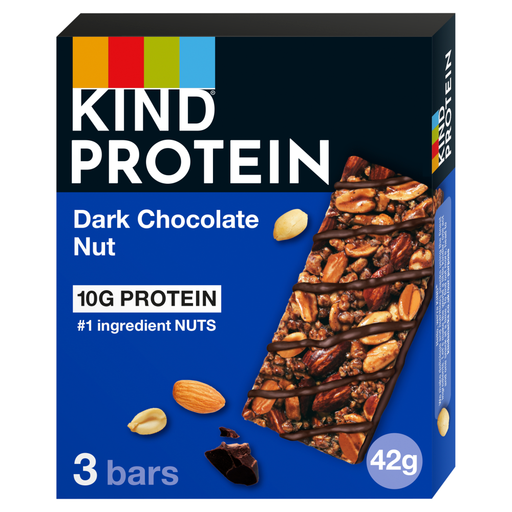 No image available
A nut-based bar rather than a dried-fruit portion. Check the pack for peanuts, almonds and soya, and confirm whether it fits the pupil’s needs and the school’s allergy arrangements.
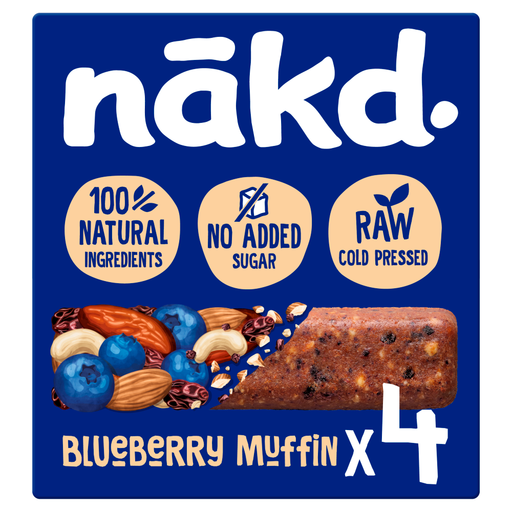 No image available
A fruit-and-nut bar when that combination matters more than choosing a protein-led bar. Check its cashew and almond ingredients and the ‘may contain peanuts’ statement before packing it for school.
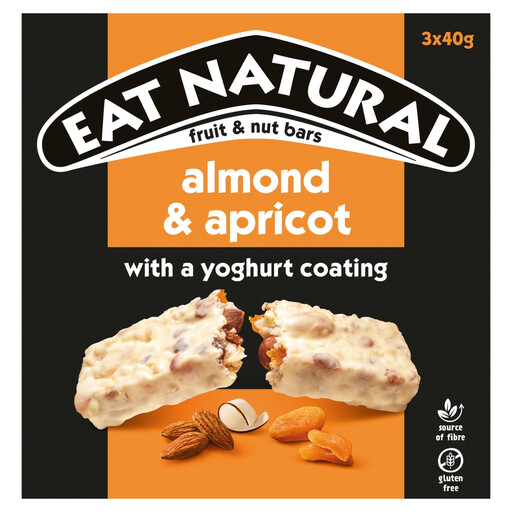 No image available
An apricot-and-almond cereal-bar format to compare when dried fruit is part of the snack. Check the milk and almond declarations, any ‘may contain’ wording, and the protein figure on the exact pack if protein is the deciding factor.
Not on the basis of the checked raisin portion: Whitworths lists 0.5g protein per 14g box of Sunny Raisins. If protein is the priority, compare the labelled amount per serving on a mix or bar, then check its ingredients and allergens.
The NHS says 30g dried fruit counts as one 5 A Day portion. It advises having dried fruit at mealtimes rather than between meals to reduce tooth-decay risk.
Check the individual school’s allergy policy and the exact pack before sending one. The checked Whitworths mix contains peanuts, may contain nuts and sesame, and carries a choking warning for small children on its Sainsbury’s listing.
Check the pack for allergens relevant to the pupil, including peanuts, tree nuts, sesame, soya and milk. Also check for sulphur dioxide or sulphites when relevant: the Food Standards Agency notes that they are often used in dried fruit.