What should you check before buying?
Decide what will provide protein in the lunch, then compare serving sizes and ingredients across the snacks you could add.
| Priority |
What to check |
Your needs |
| Protein |
Compare protein per 100g and per stated serving. Check whether a product is plain fruit, a fruit-and-nut mix or a separate nut or seed food; these are different lunch components. |
If protein is the reason I am choosing the snack, I want to know what the portion actually contributes. Whitworths lists 2.6g and 4.1g per 30g for its two fruit-and-nut mixes, while Sainsbury's lists 0.8g per serving for its apricots. |
| Portion and sugars |
Read the pack's serving size and sugars per serving. The NHS says 30g of dried fruit counts as one 5 A Day portion and advises eating dried fruit at mealtimes rather than between meals. |
I might add dried fruit to lunch for the fruit itself, while getting protein from another food. A 30g pack of mixed fruit and nuts is not necessarily 30g of dried fruit. |
| Ingredients and allergens |
Check the exact pack for peanuts, tree nuts, sesame, sulphites and any relevant 'may contain' statement. Do not assume that products with similar names use the same ingredients. |
If I need to avoid an ingredient, the particular mix matters more than the product-family name. I would check a plain-fruit label too, since fruit products can contain sulphites. |
Which brand ranges are relevant?
These product examples show how much the choice between plain fruit and a nut-containing mix can change the protein figure; they do not describe every product from each brand.
Whitworths
The 1DERS Energising Fruit and Nut Mix and Wondermix Fight Fatigue are two fruit-and-nut examples to compare by serving and ingredients.
- Whitworths lists 4.1g protein per 30g pack for 1DERS and 2.6g per 30g serving for Wondermix Fight Fatigue.
- The mixes contain nuts or peanuts, and their other ingredient and allergen details differ. Check the exact version rather than relying on the family name.
Sainsbury's
Its ready-to-eat apricots and prunes are plain dried-fruit reference points for a lunch that gets protein elsewhere.
- Sainsbury's lists 0.8g protein per serving for the apricots and less than 0.5g per 30g serving for the prunes.
- The apricots list sulphur dioxide; the prunes carry a warning that some stones may remain.
M&S
M&S Mixed Fruit combines sultanas, raisins and currants for shoppers choosing fruit variety rather than a nut-containing snack.
- The mixed-fruit format can be used as the fruit component of a lunch or in cooking.
- Ocado lists 2.4g protein and 68.8g sugars per 100g for this M&S product; compare your intended serving rather than treating it as a protein food.
Joybuy options for a home lunch
These Joybuy options are nut-and-fruit mixes or a seed-and-goji-berry mix to consider alongside a working-from-home lunch. They are not plain dried-fruit alternatives, so check each product's ingredients and serving information for the role you want it to play.
 No image available
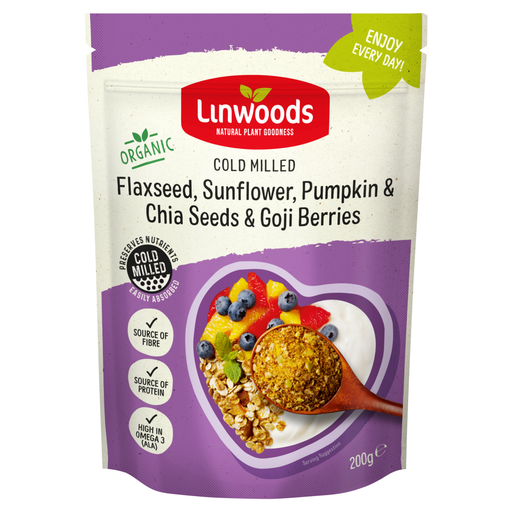
Linwoods Flaxseed, Sunflower, Pumpkin & Chia Seeds with Goji Berries 200g
Consider this seed-and-berry mix if you want to add it to an existing lunch rather than eat plain dried fruit. The 200g product contains the seeds and goji berries named on the pack; check its serving information and its precautionary allergen statement, including nuts, sesame, mustard and soya.
View on Joybuy
 No image available
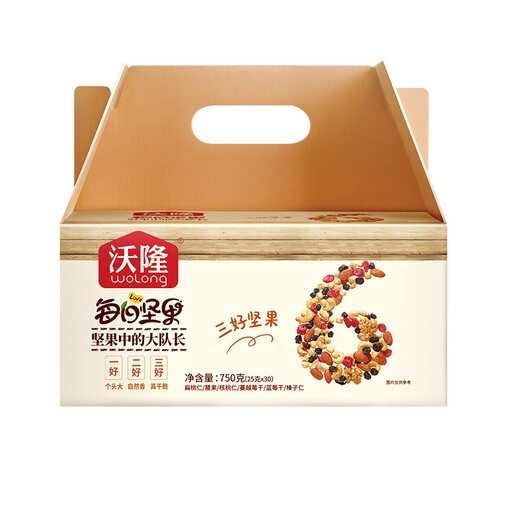
Wolong Daily Nuts Series A (Adult Version) 750g
This fruit-and-nut mix is an option if you can eat tree nuts and want fruit alongside nuts at lunch. The pack is 750g; check its serving size, tree-nut ingredients and the added sugar in its dried-fruit components.
View on Joybuy
 No image available
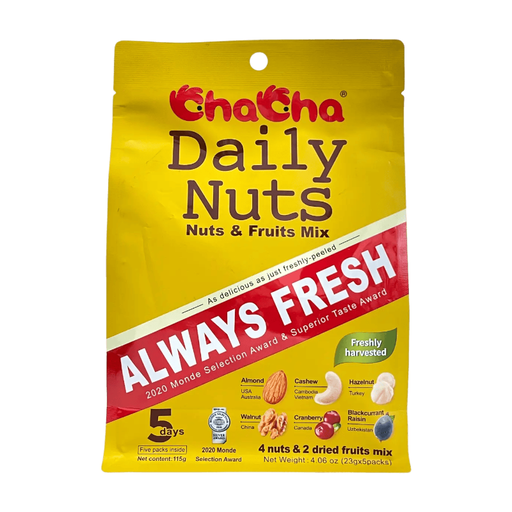
Qia Qia Daily Nuts 115g
This 115g nut-and-fruit product is another format to compare with plain dried fruit for lunch. It contains tree nuts, and its cranberries contain added sugar; read the exact ingredients and nutrition panel when deciding on a serving.
View on Joybuy
 No image available
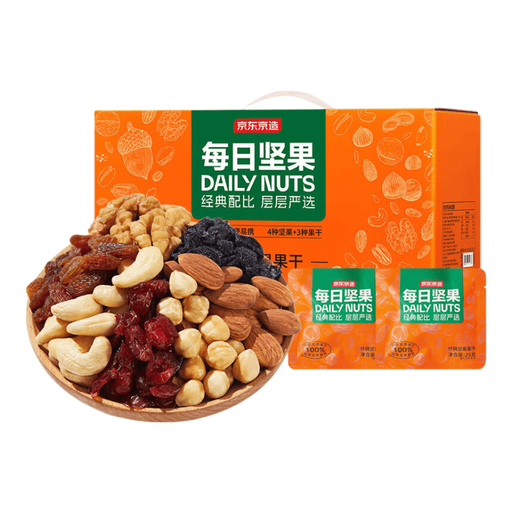
J.ZAO Classic Daily-Nut Mix 750g, 30 Sachets
The 30-sachet format gives you individually packed portions of this nut-and-dried-fruit mix for lunch. Check the ingredients before choosing it: the mix contains tree nuts, so the sachet format does not make it suitable for a nut allergy.
View on Joybuy
Frequently asked questions
Can dried fruit alone provide the protein for a working-from-home lunch?
The plain dried-fruit examples here contribute little protein: Sainsbury's lists 0.8g per serving for its apricots and less than 0.5g per 30g serving for its prunes. If protein is a priority, include another suitable protein food rather than relying on the fruit.
What can I eat with dried fruit if I want more protein?
Pair plain dried fruit with a protein-containing food that suits your lunch, such as beans, eggs, yoghurt or tofu. Alternatively, compare fruit-and-nut mixes: Whitworths lists 2.6g to 4.1g protein per 30g for the two mixes discussed here, but their nut ingredients and other allergens need checking.
Does a 30g fruit-and-nut mix count as a dried-fruit portion?
Not necessarily. The NHS says 30g of dried fruit counts as one 5 A Day portion; some of the weight of a 30g fruit-and-nut mix is nuts. Check how much dried fruit the particular serving contains rather than counting the entire mix as dried fruit.
Which allergens should I check in a fruit-and-nut mix?
Read the exact pack for its nuts or peanuts and any sesame, sulphites or 'may contain' information relevant to you. Similar product-family names do not guarantee identical ingredients, and plain dried-fruit products can also list sulphites.
How should I store an opened pack for later home lunches?
Follow that pack's storage instructions. Sainsbury's says to keep its prunes in a cool, dry place and use the zip closure, while the M&S Mixed Fruit instructions say to reseal the pack after opening; instructions for another product may differ.


