Students putting protein first
If protein matters more than including dried fruit, compare protein per pack as well as per 100g. A nut-and-seed snack is another format to consider, subject to its ingredient and allergen label.


For a lecture lunch where protein is the priority, compare the declared protein in the portion you will carry rather than choosing dried fruit by category. Whitworths lists 3.3g protein per 100g for Sunny Raisins, while selected fruit-and-nut mixes list 7.7–11.2g per 100g; an M&S nut-and-seed mix lists 10g per 30g pack but does not include dried fruit in its listed ingredients. A fruit-and-nut mix keeps dried fruit in the lunch, provided you check the portion and allergens.
If protein matters more than including dried fruit, compare protein per pack as well as per 100g. A nut-and-seed snack is another format to consider, subject to its ingredient and allergen label.
A fruit-and-nut mix keeps dried fruit in the lunch and can provide more protein than the plain raisin example. Check the particular mix: Whitworths lists 7.7g protein per 100g for Favourites Fruit & Nut Mix, compared with 3.3g per 100g for Sunny Raisins.
If the fruit portion matters more than protein, plain dried fruit may meet that purpose. The NHS says 30g counts as one 5 A Day portion and advises eating dried fruit at mealtimes rather than between meals to reduce the risk of tooth decay.
Choose it when: You want a compact fruit portion as part of lunch, rather than relying on it for protein.
Trade-off: Whitworths Sunny Raisins list 3.3g protein per 100g.
Choose it when: Dried fruit matters to you, and you also want to compare the protein contributed by nuts.
Trade-off: The selected M&S and Whitworths mixes list different protein amounts and ingredients, including nuts and, in some cases, sulphur dioxide.
Choose it when: Protein takes priority and dried fruit is optional; M&S lists 10g protein per 30g pack for its Protein Packed Nut and Seed Mix.
Trade-off: Its listed ingredients include edamame, seeds and almonds, but not dried fruit.
| Priority | What to check | Your needs |
|---|---|---|
| Protein contribution | Compare protein per 100g on the same basis, then check the amount in the portion you plan to carry. A protein figure alone does not tell you everything about the food. | If protein is my main reason for buying it, I want to know what my actual lunch portion provides—not just whether the pack contains fruit or nuts. |
| Dried-fruit portion | Check pack weight against the NHS reference of 30g dried fruit for one 5 A Day portion. The NHS advises having dried fruit at mealtimes rather than between meals to reduce the risk of tooth decay. | I want dried fruit with lunch, rather than repeatedly eating from a larger bag between lectures. |
| Ingredients and allergens | Read the current ingredients, allergen statement and any precautionary wording. Check for nuts, soya, sesame or sulphites where relevant, and whether fruit ingredients are sweetened. | Before I pack a mixed snack, I need to know whether its particular ingredients suit me. |
| Pack format | Check the total pack weight and whether you will need to portion the food into a container for lunch. | A pack that is easy to carry matters if I will be eating between lectures; I can portion a larger pack before leaving. |
Whitworths lists 3.3g protein per 100g for Sunny Raisins. Its Favourites Fruit & Nut Mix lists 7.7g per 100g, so even related products can make different contributions.
Compare protein per 100g and per portion before choosing a product for its protein.
The cited fruit-and-nut products include tree nuts, and some Whitworths mixes list sulphur dioxide. Ingredients differ between products.
Check the current pack’s ingredients, allergen statement and precautionary wording before buying or eating it.
The NHS uses 30g of dried fruit as one 5 A Day portion and advises eating it at mealtimes rather than between meals to reduce the risk of tooth decay.
Portion dried fruit for lunch instead of treating the whole pack as one serving.
Its cited products show the difference between a nut-and-seed snack and a mix that includes dried fruit.
Its cited raisins and fruit-and-nut mixes offer distinct ingredient and protein-label comparisons.
Its grocery categories provide a way to browse dried fruit separately from fruit-and-nut bars and protein bars.
These options include seed-and-fruit, mixed-nut and seasoned-nut formats. For a protein-focused lunch, compare each current label’s protein per portion and ingredients; a nut-based name alone does not establish a high-protein claim.
 No image available
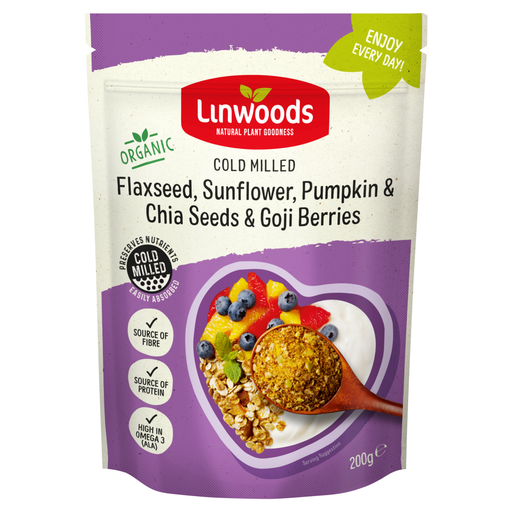
Consider this seed-and-goji-berry mix if you want fruit alongside seeds. Portion what you need from the 200g pack, and check its current protein and allergen label before relying on it for either requirement.
 No image available
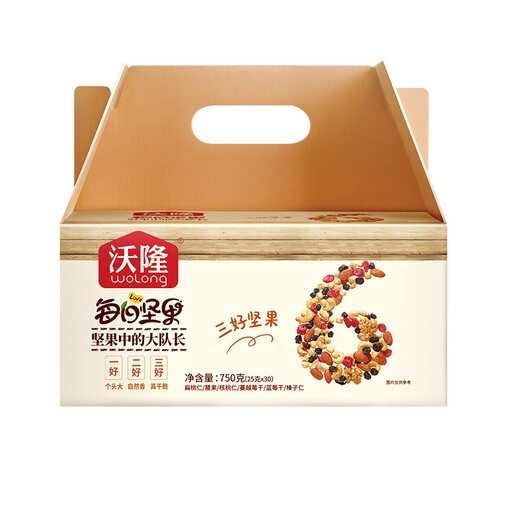
If you are considering this for a fruit-and-nut lunch addition, check the current ingredient list for the fruit and nuts you want. Compare the labelled protein per portion and the pack format with what you plan to carry.
 No image available
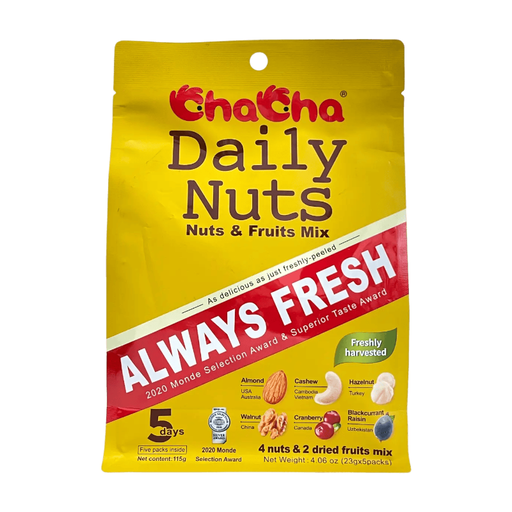
For a mixed snack alongside lunch, check which fruits and nuts the current pack contains. Read its allergen statement and compare protein for the portion you intend to eat.
 No image available
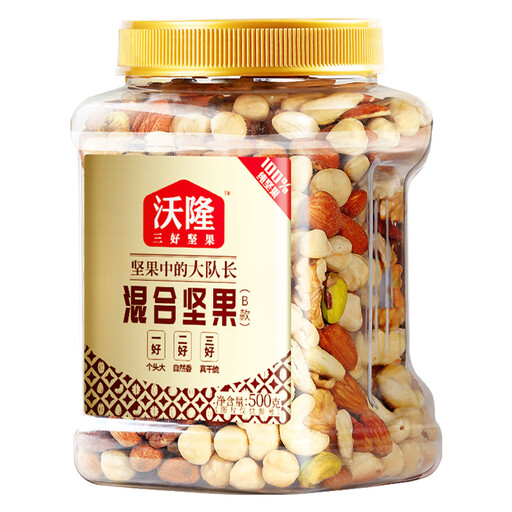
This nut mix is a route to consider when dried fruit is optional. The 500g tin calls for portioning before a lecture lunch; check the current protein declaration and nut-allergen information.
 No image available
Choose this seasoned peanut-and-hazelnut format only if you do not need dried fruit in the snack. Check the current protein and ingredient label, particularly if peanuts or tree nuts are a concern.
Plain dried fruit is not the protein-led option in these examples: Whitworths lists 3.3g protein per 100g for Sunny Raisins. The cited fruit-and-nut mixes list 7.7–11.2g per 100g, while M&S lists 10g per 30g pack for its nut-and-seed mix, whose listed ingredients do not include dried fruit. Compare the portion you would actually pack.
The NHS says 30g of dried fruit counts as one portion of 5 A Day. It advises eating dried fruit at mealtimes rather than between meals to reduce the risk of tooth decay, so packing it with lunch fits that guidance.
Read the current pack’s ingredients, allergen statement and precautionary wording for the exact mix. UK government allergen guidance identifies tree nuts, peanuts, soybeans and sulphur dioxide or sulphites among the allergens businesses must communicate where present as ingredients; the cited mixes differ in what they contain.
Use the listing to compare products, but check the current pack’s ingredients, nutrition and allergen information before eating. This matters especially when a particular nut, seed or preservative affects your choice.