Regular bulk-pack buyers
If several people will use the same dried fruit, consider how quickly the pack will be finished and how it needs to be stored. A bigger bag is less useful if it does not fit your routine.


For regular household or shared use, a larger pack makes sense if you can use and store it as directed; portioned packs make servings easier to plan, while mixes call for closer ingredient and allergen checks. If morning tea falls between meals, the NHS advises having dried fruit with a meal instead to reduce the risk of tooth decay.
If several people will use the same dried fruit, consider how quickly the pack will be finished and how it needs to be stored. A bigger bag is less useful if it does not fit your routine.
Individual packs can make servings easier to organise or share. Their size does not change the NHS advice to have dried fruit at mealtimes rather than as a between-meal snack.
Compare the current labels when switching fruit, flavour or brand, especially if someone sharing the pack needs to check for sulphites or nuts.
Decide when the fruit will be eaten before choosing a pack format. Then check its weight, ingredients and label against the people who will use it.
| Priority | What to check | Your needs |
|---|---|---|
| Pack size | Compare the same fruit type and the stated pack weights. Check storage instructions and whether the pack will be used regularly. | Several of us will use it, so I want a pack size we can finish and store as directed. |
| Eating occasion | The NHS says 30g of dried fruit counts as one 5 A Day portion and advises eating it at mealtimes, not between meals, to reduce tooth-decay risk. Check the weight of individual packs rather than assuming each is 30g. | Our morning tea break is between meals; I need to plan dried fruit for breakfast or another meal instead. |
| Ingredients and sugars | Read the ingredients and nutrition panel for the exact product, noting whether figures are per 100g or per serving. ASDA Groceries lists raisins and sunflower oil, with 21g sugars per 30g, for its 500g Seedless Raisins. | I want to know what is in the fruit and compare the labelled serving with the amount I plan to use. |
| Allergens | Check declared allergens and precautionary statements on the current pack. The Food Standards Agency notes that sulphur dioxide or sulphites are used in some dried fruit; fruit-and-nut mixes also need a nut-label check. | If I am sharing a pack, everyone needs to be able to check the ingredients that matter to them. |
Portion size and eating occasion are separate considerations. The NHS says 30g of dried fruit counts as one 5 A Day portion but advises having dried fruit at mealtimes rather than between meals to reduce tooth-decay risk.
Plan it with breakfast or another meal. An individually portioned pack can help measure an amount, but does not change that advice.
Dried-fruit products can differ in added ingredients and allergen declarations. The Food Standards Agency notes that sulphur dioxide or sulphites are used in some dried fruit, and mixes may contain nuts.
Read the current label of the exact product, particularly when changing brand, fruit type or flavour.
A fruit-and-nut or speciality mix contains different ingredients from plain raisins or sultanas. Pack weight alone does not tell you whether it meets the same need.
If you want fruit for porridge or yoghurt at a meal, compare ingredients as well as pack size, and check that everyone sharing it can eat them.
ASDA Groceries lists a 500g Seedless Raisins pack, a straightforward format for comparing plain raisins with other pack sizes.
Tesco Groceries lists 1kg packs of Seedless Raisins and Sultanas for shoppers planning regular use of one fruit type.
Whitworths lists portioned 1DERS dried-fruit multipacks alongside its other dried-fruit formats.
Marks & Spencer lists several fruit types and mixes, including 1kg Turkish Sultanas and 750g apricot and fruit-and-nut formats.
These packs cover raisins, prunes and red dates in larger or portioned formats. Compare the exact fruit and serving arrangement with how you plan to use it at a meal.
 No image available
This larger prune pack may suit repeated planned use. If using its individual wraps to organise servings, check the weight of each one rather than assuming it matches the NHS 30g dried-fruit reference portion.
 No image available
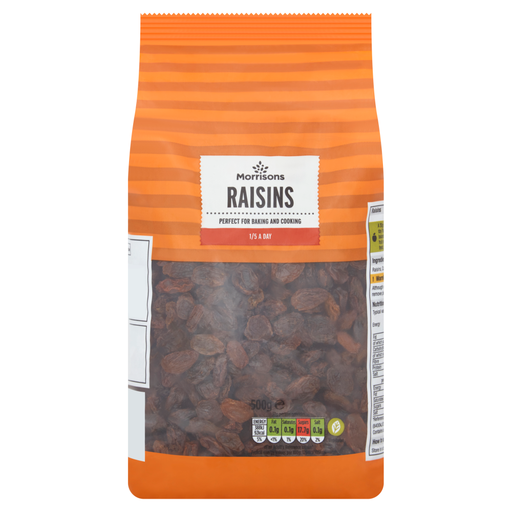
A single bag of raisins suits a household that will portion fruit as needed for meals. Use the pack’s nutrition and storage instructions when planning how much to serve and keep.
 No image available
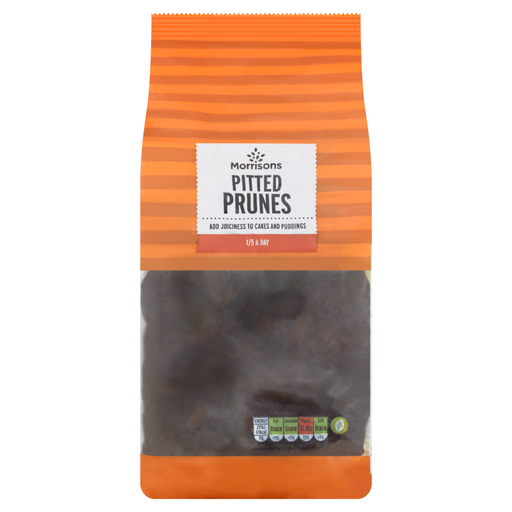
This is a larger prune pack to portion for planned meal use. Check its current ingredient label if preservatives or allergens affect your choice, and follow the storage instructions after opening.
 No image available
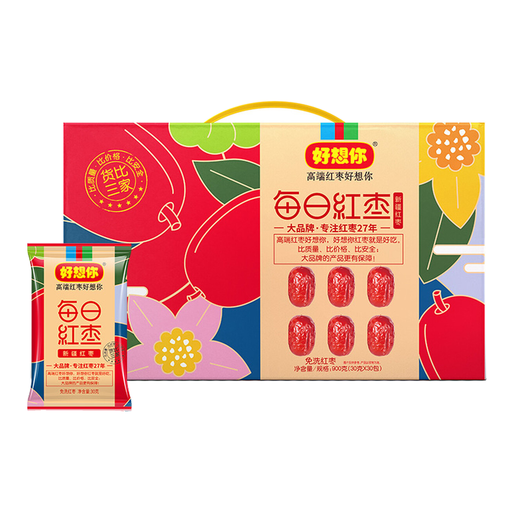
The 30g sachets offer a stated serving weight for planning dried fruit with meals. Check for pits before eating the dates; the sachet format does not change NHS advice about eating dried fruit at mealtimes.
 No image available
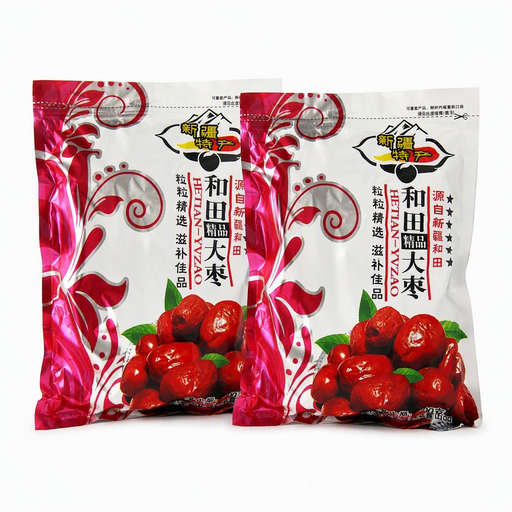
Two 500g packs may suit repeated use of red dates at meals. Plan portions separately, follow the pack’s storage directions and check the fruit for pits before eating.
If the break is between meals, the NHS advises having dried fruit with a meal instead to reduce the risk of tooth decay. Its 30g dried-fruit reference portion counts as one of your 5 A Day, but portion size does not remove the eating-occasion advice.
Choose a large bag if it suits how regularly the fruit will be used and you can follow its storage instructions. Individual portions can make amounts easier to organise; check their stated weight and plan dried fruit for a meal in line with NHS advice.
The NHS uses 30g of dried fruit as its reference for one 5 A Day portion. Check the exact pack’s serving size and nutrition panel rather than assuming a sachet or handful weighs 30g.
Check the label of the exact product if sulphites matter to you or someone sharing it. The Food Standards Agency says sulphur dioxide or sulphites are used in some dried fruit, including raisins, dried apricots and prunes; fruit-and-nut mixes also warrant a check for nuts.