New parents stocking their own cupboards
If dried fruit is for your porridge, yoghurt or cooking, compare the portion you expect to use with the pack size and ingredients. A low fat figure does not tell you how much sugar is in that portion.


For a new-parent cupboard, do not choose dried fruit on a “reduced fat” message alone: Sainsbury's sultanas list less than 0.5g fat per 100g, but 69.4g sugars per 100g. Compare portions, ingredients and who will eat the fruit; for toddlers already eating solids, the NHS advises serving dried fruit with meals and preparing it for safe, supervised eating.
If dried fruit is for your porridge, yoghurt or cooking, compare the portion you expect to use with the pack size and ingredients. A low fat figure does not tell you how much sugar is in that portion.
The NHS says dried fruit can be introduced among other fruits from around six months, but advises giving toddlers dried fruit with meals rather than between them. Size, shape and texture still need attention, and young children should sit upright and be supervised while eating.
Read the current pack's ingredients and allergy statement, particularly for apricots and fruit mixes. The Food Standards Agency says sulphur dioxide or sulphites are often used in dried fruit and that people with asthma have a higher risk of developing a reaction.
Start with the intended eater and eating occasion, then compare labels on the same per-100g basis and check the portion you would actually serve.
| Priority | What to check | Your needs |
|---|---|---|
| Nutrition label | Compare fat and total sugars per 100g, then check the stated serving size. For example, Tesco Seedless Raisins list 1.0g fat and 62.6g sugars per 100g, according to Tesco. | I want to look beyond a low-fat message when comparing packs. In the Food Standards Agency and Ipsos Northern Ireland's 2024 survey, 49% of 611 Northern Ireland adults interviewed from September to November said they actively used traffic-light labels when shopping for food; that figure is not specific to dried fruit or parents. |
| Meal timing | Decide whether the fruit is for an adult meal, cooking or a child's meal. The NHS advises giving toddlers dried fruit with meals rather than as a between-meal snack because its sugar can cause tooth decay. | For my toddler, I want dried fruit to be part of a meal, not a frequent snack between meals. A small packet does not change that NHS advice. |
| Child-safe preparation | Assess each piece's size, shape and texture; check pack warnings for stones or stalks. The NHS advises upright seating and supervision while babies and young children eat. | If a young child will eat it, I need to prepare the fruit for their stage and check for hard parts before serving. |
| Ingredients and allergens | Read the current ingredient and allergy statements for sulphur dioxide or sulphites and other added ingredients. The Food Standards Agency notes that sulphites are often used in dried fruit, including raisins, apricots and prunes. | Someone in my household needs me to check the particular pack rather than assume that all dried fruit has the same ingredients. |
| Pack format | Compare a small portion pack with the amount you would take from a larger cooking pack. Whitworths Sunny Fruit Mix-Ups list 9.3g sugars per 18g pack, according to Sainsbury's. | A small pack would help me plan a portion away from home; a larger pack may fit how I use fruit in meals or baking. |
Low fat does not describe the sugar content, ingredients or portion size. Sainsbury's lists less than 0.5g fat and 69.4g sugars per 100g for its sultanas.
Compare fat and sugars per 100g, then look at the serving you would use and the ingredient list.
The NHS advises giving toddlers dried fruit such as raisins with meals rather than between them because its sugar can cause tooth decay. A “no added sugar” statement does not change that advice.
If the fruit is for a toddler, plan to serve it with a meal rather than relying on the packet's size to decide when to offer it.
A nutrition label cannot show whether an individual piece is an appropriate size or texture for a child. Some apricot and sultana packs also warn that stones or stalks may remain.
Check the food and its pack warning, prepare it for the child's stage, and keep the child seated upright and supervised while eating, as the NHS advises.
The Food Standards Agency identifies sulphites as ingredients often used in dried fruit. ASDA's mixed fruit, for example, declares sulphites and includes candied citrus peel with syrup and sugar.
Read the current ingredients and allergy statement for the exact pack, especially when buying for someone with a known sensitivity.
These examples show why it helps to compare individual products rather than assume a brand's whole range has the same ingredients or nutrition values.
Its dried-fruit examples include larger packs and portioned fruit mixes.
Tesco lists dried fruit in both larger packs and smaller formats.
Its 1kg sultanas provide a larger-pack example for cooking or adding to meals.
Its sultanas and mixed fruit illustrate different ingredient lists within one retailer's dried-fruit selection.
M&S presents its raisins as an ingredient for dishes such as tagines and couscous.
These options cover small packs and larger cupboard ingredients for adult use. If buying for a child, assess the individual product's texture, hard parts and warnings before serving it.
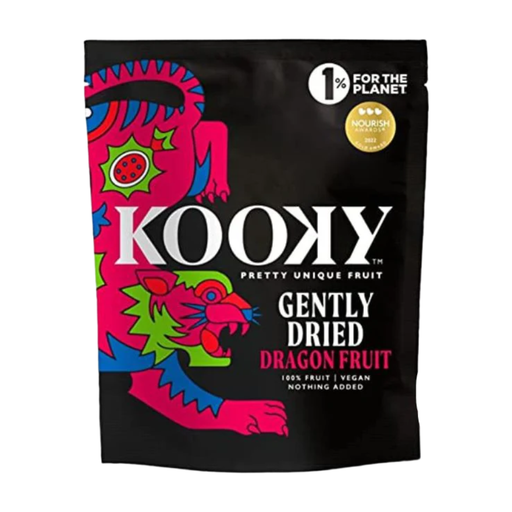 No image available
The 20g pack is a small-format option for an adult choosing a planned portion. The product information warns that its shape and texture present a choking hazard for children under four.
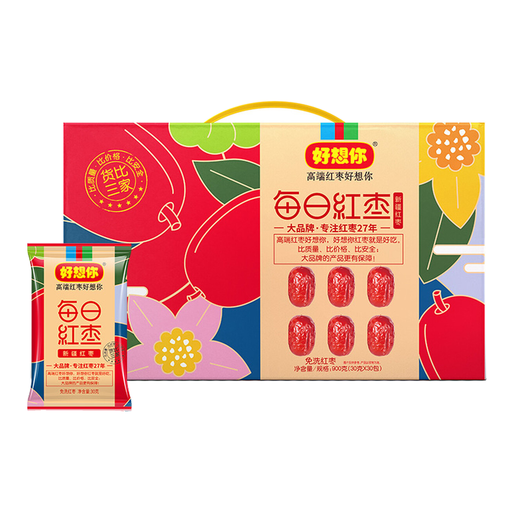 No image available
The individual 30g sachets offer an adult a defined pack size. These dates contain pits: remove them before eating, and do not treat the sachets as ready-to-serve food for a young child.
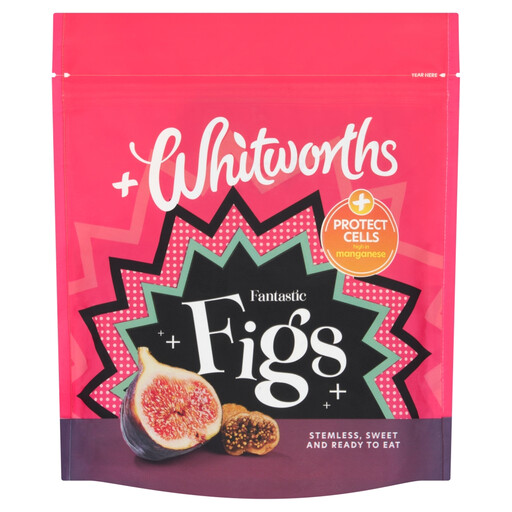 No image available
A cupboard-pack option for adding fruit to adult meals. The Joybuy product page lists dried figs and rice flour as ingredients and 1.3g fat per 100g; portion out the amount you plan to use.
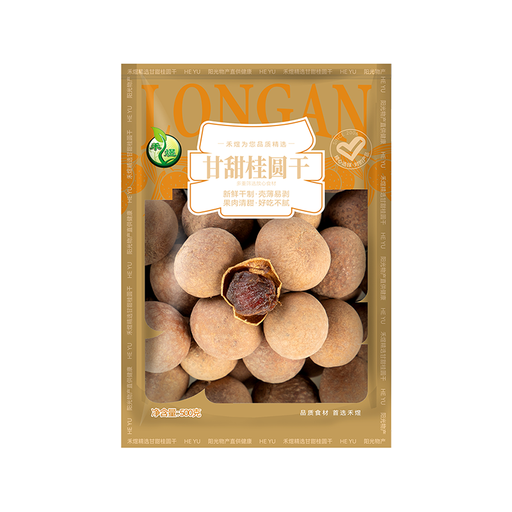 No image available
The 500g pack suits planned cooking rather than relying on a pre-portioned snack format. This product requires cooking before consumption; check its preparation instructions before use.
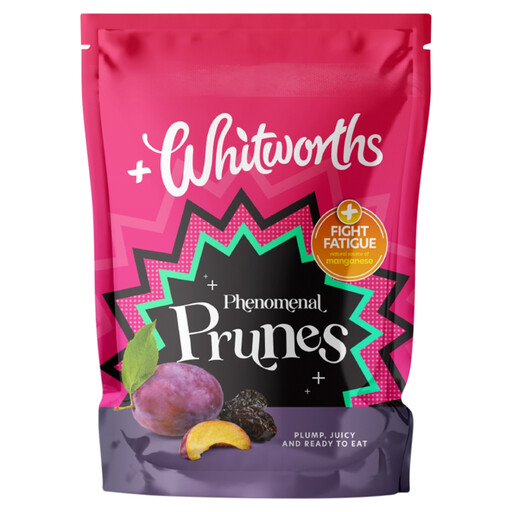 No image available
These partially rehydrated prunes are presented as ready to eat. The product listing names gluten and crustaceans in its allergen information; check the physical pack before purchase, particularly if either allergen must be avoided.
A reduced-fat message need not be your starting point for plain dried fruit. Sainsbury's sultanas list less than 0.5g fat per 100g, Whitworths Amazing Apricots list 0.5g according to ASDA, and Tesco Seedless Raisins list 1.0g. Compare sugars, serving size and ingredients as well as fat, then decide who will eat the fruit.
No: dried fruit is relevant only once a baby has started solids. The NHS advises introducing solid foods from around six months and considering each food's size, shape and texture, with the child seated upright and supervised while eating.
Give it with a meal rather than as a snack between meals, as the NHS advises because the sugar in dried fruit can cause tooth decay. Check for stones or pips, adapt the texture to the child's stage, and supervise them while they eat.
No. The NHS explains that naturally occurring fruit sugars are included in the total-sugars figure on food labels, even though they do not count as free sugars. The amount served and, for toddlers, serving dried fruit with a meal remain practical checks.
Check the current pack, especially if someone eating it has a known sulphite sensitivity or an asthma-related concern. The Food Standards Agency says sulphur dioxide or sulphites are often used in dried fruit, including raisins, apricots and prunes, and notes a higher risk of reaction for people with asthma.