Hosts looking for a portioned fruit item
Individual raisin boxes are straightforward to hand out, but portioning does not make dried fruit a protein-led choice. Compare protein per box as well as per 100g if protein is part of your plan.


Choose another food category if protein is an essential part of the party-bag plan: the dried-fruit products described by Sainsbury’s, Asda Groceries and Marks & Spencer do not make a convincing protein-led choice. Individually packed dried fruit can instead be a convenient fruit item, provided you check the children’s ages and the exact ingredients, and leave carers to decide when to serve it. NHS guidance advises giving raisins to toddlers with meals rather than between meals.
Individual raisin boxes are straightforward to hand out, but portioning does not make dried fruit a protein-led choice. Compare protein per box as well as per 100g if protein is part of your plan.
Check the youngest child’s age and each product’s warnings before filling bags. The Department for Education says children under five should not be given whole nuts or whole seeds; Asda’s mixed-fruit boxes separately warn that small children can choke on small pieces of fruit.
A party-bag item may be eaten after the event rather than during a meal. NHS advice for toddlers is to give dried fruit such as raisins with meals, not as a between-meal snack.
Decide whether the bag needs to contain a protein-providing food or simply a fruit item. Then check the exact pack against the ages and needs of the children receiving it.
| Priority | What to check | Your needs |
|---|---|---|
| Protein | Read protein per 100g and per pack; compare the figures with what the bag is meant to provide. | If protein is essential, I need to look beyond ordinary dried fruit. Sainsbury’s lists less than 0.5g protein in a 14g Mini Snack Raisins box, while Asda Groceries lists 3.0g per 100g for Whitworths Sunny Raisins. |
| Serving occasion | Check sugars per serving and consider whether a carer can choose when the item is eaten. NHS advice for toddlers is to serve dried fruit with meals rather than between them. | I want the bag’s contents to be suitable for serving later with a meal, rather than assuming the raisins will be eaten on the way home. |
| Age and food form | Check the youngest recipient’s age, the form of the fruit and any choking warning. The Department for Education says not to give whole nuts or whole seeds to under-fives. | For a mixed-age party, I need to check each item before putting the same food in every child’s bag. |
| Ingredients and allergens | Read the current ingredients and allergen information for the exact variant; keep its labelled packaging available. Asda’s mixed-fruit boxes declare sulphur dioxide/sulphites. | I need carers to be able to see what their child has been given, particularly if the bags contain different flavours or products. |
| Portion format | Compare individually packed boxes with a bulk pack, including the work of portioning and keeping product information with the food. | Ready-packed boxes would simplify handing out bags; if I portion fruit myself, I still need to make its ingredient information available. |
The checked raisin and mixed-fruit products have modest protein declarations, even when sold as convenient snack packs. A fruit-based format is not a substitute for checking the nutrition panel.
Set the bag’s purpose first. If protein is essential, consider another food category and check that item separately for age suitability and allergens.
A smaller portion does not change the serving-occasion advice. NHS guidance recommends giving dried fruit such as raisins to toddlers with meals rather than between meals.
Leave the pack for a carer to serve at an appropriate time instead of encouraging children to eat it immediately after the party.
Asda’s mixed-fruit boxes warn about small children choking on small pieces of fruit and declare sulphur dioxide/sulphites. Separately, Department for Education guidance says not to give whole nuts or whole seeds to under-fives.
Check the youngest recipients, the exact product warning and the current ingredient label before distributing the bags.
A bulk pack needs portioning, whereas individual boxes can be handed out in their original packaging.
Before repacking food for a group, work out how carers will see its ingredients and allergens. Food Standards Agency guidance says prepacked food must carry an ingredients list with allergens present emphasised.
Portioning bulk fruit also takes preparation time and requires suitable packaging.
These product examples show how portion format, ingredients and nutrition declarations can differ; they do not establish what every product from a brand contains.
Sunny Raisins come in individual 14g packs, a format that can be handed out in party bags.
Mini Snack Raisins are sold as 12 individual 14g boxes.
Mixed Fruit Snack Boxes offer different fruit combinations in individual 14g boxes.
Its 500g raisins illustrate the bulk-pack route for hosts considering their own portions.
These options include individually packed raisins and dried blueberries, plus a raisin cereal bar. The cereal bar is a different food category; none should be chosen on the assumption that it fulfils a high-protein requirement.
 No image available
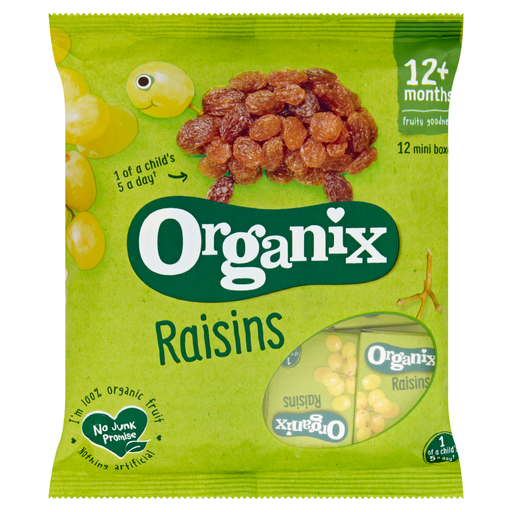
The individual raisin boxes suit a party bag intended to contain a portioned fruit item, not a protein snack.
The product name specifies 12 boxes of 14g and a 12+ months age indication. Check the current pack and consider the youngest child receiving a bag; NHS advice is to give raisins to toddlers with meals rather than between meals.
 No image available
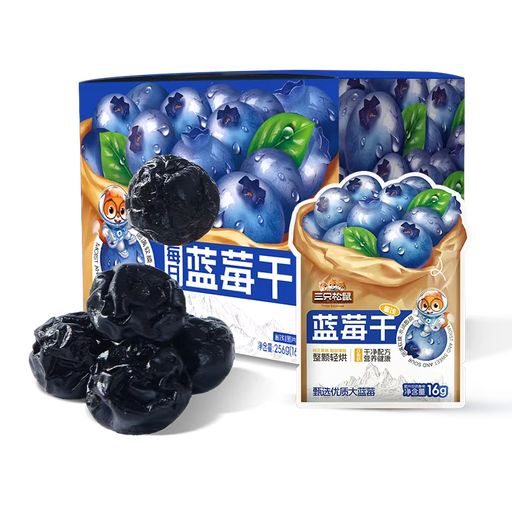
The individual dried-blueberry packs offer another fruit format for party bags, rather than a protein-led option.
The product name specifies 16 packs of 16g. Check the exact pack’s ingredients, sugars declaration and age-related warnings before giving it to children.
 No image available
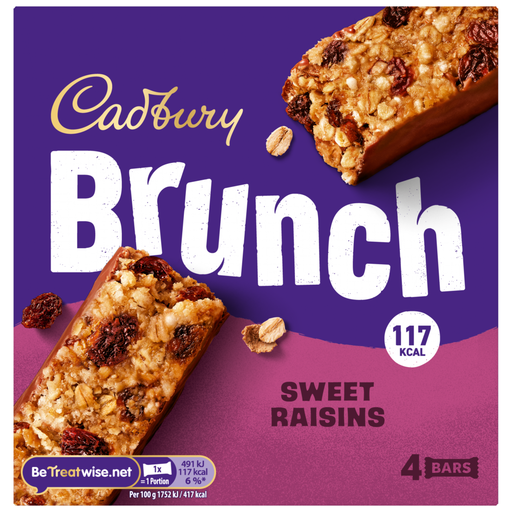
These raisin cereal bars are an alternative format to plain dried fruit, not a substitute for checking whether a food meets your protein requirement.
The product name specifies four bars with a total weight of 112g. Check the current ingredients, allergen information and each child’s needs before including bars in a group hand-out.
Not among the checked products: Sainsbury’s lists less than 0.5g protein per 14g Mini Snack Raisins box, while Asda Groceries lists 3.0g per 100g for Whitworths Sunny Raisins. If protein is essential, consider a different food category and check its nutrition, ingredients and age suitability separately.
NHS guidance advises giving dried fruit such as raisins to toddlers with meals rather than as a snack between meals because its sugars can contribute to tooth decay. A carer can decide when to serve a pack taken home from a party.
Do not give whole nuts or whole seeds to children under five, according to Department for Education early-years food-safety guidance. For other guests, check the exact food and its allergen information rather than assuming a nut- or seed-containing item suits everyone.
Keep items in their original labelled packaging where possible, and retain the labelled outer pack if you separate a multipack. Food Standards Agency guidance says prepacked food must have an ingredients list that emphasises allergens present; Asda’s mixed-fruit boxes, for example, declare sulphur dioxide/sulphites.