Hosts planning around food allergies
Confirm each child’s requirements with their family, then keep the packaging for the food actually served so helpers can check its ingredients and allergen information.


Choose dried fruit against each child’s confirmed allergies and dietary requirements, not a general “free-from” description. A plain fruit product may have fewer ingredients to assess than a fruit-and-nut mix, but its current pack still needs checking for ingredients and “may contain” warnings; keep that pack available when serving. For toddlers, the NHS advises giving dried fruit with meals rather than between them because its sugar can cause tooth decay.
The useful starting point is the guest list: Anaphylaxis UK advises event organisers to ask families about allergies, intolerances and coeliac disease, and to discuss specific requirements and trusted products with them.
Confirm each child’s requirements with their family, then keep the packaging for the food actually served so helpers can check its ingredients and allergen information.
Consider when dried fruit will be served and whether a mix contains pieces carrying a small-child choking warning. The NHS advises giving toddlers dried fruit with meals rather than between them.
A shorter ingredient list can be easier to assess, but it does not override a precautionary allergen warning. Check the fruit itself against any fruit allergies reported by families.
Start with the families’ requirements, then compare those requirements with the exact pack you intend to serve. Product names alone cannot settle allergen suitability.
| Priority | What to check | Your needs |
|---|---|---|
| Allergen compatibility | Read the full ingredients, highlighted allergens and any “may contain” statement on the current pack. Check them against the instructions from each relevant family. | I need to know whether the food served matches each child’s confirmed requirements. The Food Standards Agency explains that precautionary allergen labelling communicates possible unintended allergen presence. |
| Fruit and added ingredients | Identify every fruit, nut and other ingredient in a mix, including preservatives or coatings. Do not treat a fruit-focused name as an allergen statement. | A simpler product would be easier for me to check, but I still need to assess the exact label. Tesco lists sulphur dioxide in its Mixed Raisins and warns that they may contain peanuts, nuts, sesame seeds and soya. |
| Younger guests | Check for small-child warnings on mixed products and decide when dried fruit will be offered. Whitworths warns that its fruit-and-nut mix is not suitable for small children who can choke on nuts. | If toddlers are attending, I need a serving plan as well as a suitable product. The NHS advises giving them dried fruit with meals rather than as a snack between meals because its sugar can cause tooth decay. |
| The pack served | Check the physical pack bought for the party, even if a family has previously checked a listing or an older pack. Keep its ingredient information available while serving. | I want parents and helpers to be able to identify the product actually offered, without relying on its appearance or a saved product page. |
A fruit-based name does not rule out added ingredients or precautionary warnings. Tesco Mixed Raisins, for example, list sulphur dioxide and say they may contain peanuts, nuts, sesame seeds and soya.
Compare the current pack’s ingredients and warnings with each relevant child’s requirements, and retain the pack while serving.
The products may present different allergen and age-related considerations. Whitworths lists cashews, pecans and pistachios in one fruit-and-nut mix and warns that small children can choke on nuts.
Do not substitute a mix for an item that families have already checked; discuss any proposed change with them first.
The NHS advises giving toddlers dried fruit such as raisins with meals, rather than between meals, because its sugar can cause tooth decay.
Offer it as part of the party meal instead of leaving it available throughout the afternoon.
A previously checked description may not identify the ingredients and warnings on the pack bought for this party.
Read that physical pack before serving and keep it where the adults handling food can refer to it.
These examples show why a brand name cannot stand in for checking a particular product and its current pack.
Its range includes raisin products and fruit-and-nut mixes with materially different ingredients.
Mixed Raisins illustrate how several raisin varieties can come with additional label checks.
Orchard Fruits Medley provides an example of a mixed-fruit product with specific ingredient and allergy information.
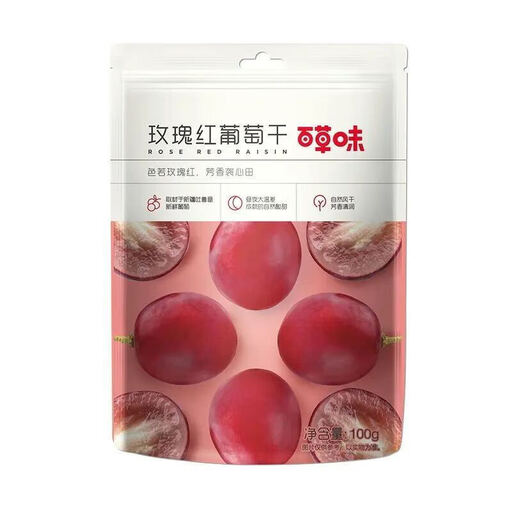
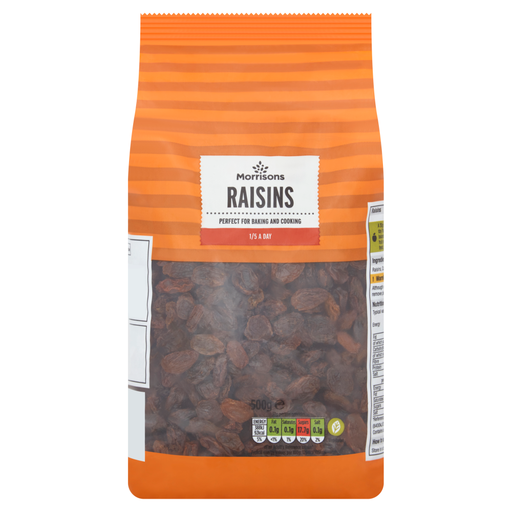
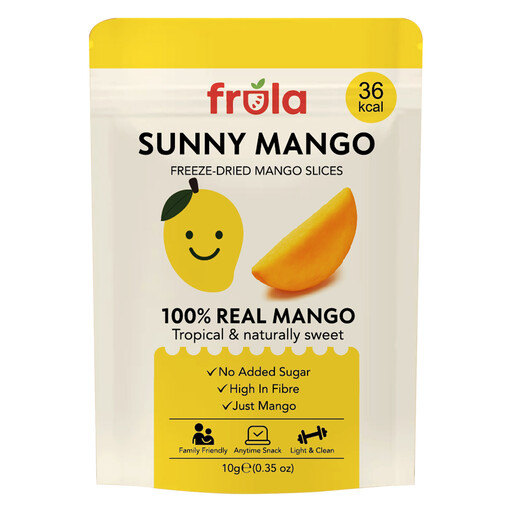
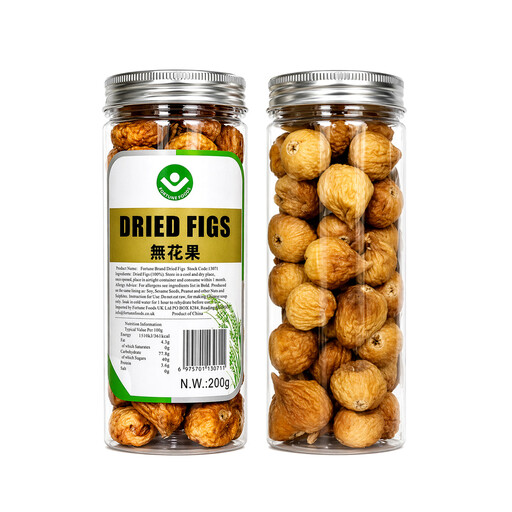
These raisin, mango and fig products offer different fruits and pack sizes to check for a children’s party. Assess the current pack of any product you choose against the attending children’s requirements before serving.
 No image available
A raisin option for a party spread. Check the pack’s ingredients and allergen statements against the guest list, including any reported grape or raisin allergy.
 No image available
A larger raisin pack if the host plans to portion the food for serving. Check its current ingredients and warnings, and confirm that raisins suit the children who will be offered them.
 No image available
A mango option in a 10g pack. Check the physical pack for its ingredients and precautionary statements, and ask families about any mango allergy before offering it.
 No image available
A fig option to consider when that fruit matches the guest list. Read the current pack’s ingredients and precautionary warnings before serving.
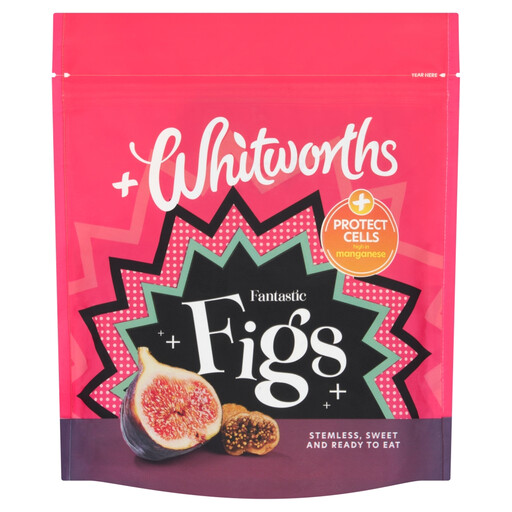 No image available
A fig product that calls for particular attention to its nut and peanut facility warning. Check the current pack and discuss its suitability with the families concerned before serving.
No. Tesco says its Mixed Raisins may contain peanuts, nuts, sesame seeds and soya; M&S labels Orchard Fruits Medley unsuitable for people with nut, peanut or sesame allergies. Check the physical pack against each child’s specific requirements.
Treat it as relevant to the child’s allergy requirements. The Food Standards Agency explains that precautionary allergen labelling communicates possible unintended allergen presence; follow the family’s instructions and the child’s individual allergy-management advice when deciding whether to serve that product.
Ask about each child’s allergies, intolerances, coeliac disease and any trusted products. Anaphylaxis UK advises event organisers to discuss specific requirements with parents or carers; keep the chosen product’s packaging available when it is served.
Offer it with a meal rather than leaving it out as a between-meal snack. The NHS gives that advice for toddlers because the sugar in dried fruit such as raisins can cause tooth decay.
Yes. Anaphylaxis UK notes that any fruit has the potential to cause an allergic reaction. Check the particular fruits in a product against the allergies reported for the children attending, even if it contains no nuts.