Hosts giving each guest a pack
Individual raisin boxes make it straightforward to count out one portion per person without opening a shared bag. Tesco and Sainsbury’s both list 12-box multipacks with 14g in each box.


Choose small, individually packed fruit portions for a simple hand-out, or 30g dried-fruit packs if the NHS adult 5 A Day portion reference matters to you. Fruit mixes offer different flavours, while packs containing nuts or other added ingredients need a closer check of each pack’s ingredient and allergen information before you offer them to guests.
Individual raisin boxes make it straightforward to count out one portion per person without opening a shared bag. Tesco and Sainsbury’s both list 12-box multipacks with 14g in each box.
If you want an adult dried-fruit portion that counts towards 5 A Day, look at the weight of the inner pack. The NHS uses 30g; Whitworths has 30g raisin packs and a multipack of 30g mango and apricot packs.
Fruit combinations and mixed snacks add choices beyond raisins, but their ingredients differ. Check the exact packs for sweetened fruit, nuts, chocolate, preservatives and allergen statements before setting them out.
Start with the number and size of the inner packs, then compare ingredients and labels for the guests you expect.
| Priority | What to check | Your needs |
|---|---|---|
| Pack count and size | Count the inner packs, not just the outer pack’s weight. Tesco and Sainsbury’s list 12 × 14g raisin boxes; the NHS uses 30g of dried fruit as one adult 5 A Day portion. | I want enough unopened packs to give one to each guest. If a 5 A Day portion matters, I’ll choose by the weight of each inner pack rather than the multipack total. |
| Fruit and other ingredients | Read the ingredient list for oils, sweetened fruit and preservatives. Sainsbury’s Mini Snack Raisins list raisins and high-oleic sunflower oil; Marks & Spencer’s Sultanas and Strawberries include sweetened dried strawberries made with concentrated apple juice. | For a straightforward fruit hand-out, I’d compare the exact ingredients. If I want more flavours, I’d check what else comes with them. |
| Allergen information | Check each flavour in a mixed pack, including its precautionary statement. Whitworths lists wheat, milk and soya allergens for its Shots Variety Pack and warns that it may also contain peanuts, other nuts, sesame and cereals containing gluten. | Guests may have different dietary requirements, so I need the packaging available for them to check; an assortment is not automatically suitable for everyone. |
| Sugars and serving occasion | Compare sugars using the stated serving size: Tesco lists 8.4g sugars per 14g raisin box. The NHS advises eating dried fruit at mealtimes rather than between meals to reduce the risk of tooth decay. | I’d put the packs alongside the party food, rather than treat dried fruit as something to graze on throughout the evening. |
Tesco and Sainsbury’s 14g raisin boxes are smaller than the NHS 30g dried-fruit reference for one adult 5 A Day portion.
Check the weight printed for each inner box. A 14g box works as a smaller hand-out; choose a 30g pack when that portion reference is the aim.
Plain raisins still contain sugars: Tesco lists 8.4g per 14g box. The NHS advises having dried fruit at mealtimes rather than between meals to reduce the risk of tooth decay.
Compare the per-serving nutrition labels and offer dried-fruit packs alongside the party food rather than continually refilling a grazing bowl.
Flavours within a mixed pack can have different ingredients and allergen information. Whitworths’ Shots assortment lists declared allergens as well as precautionary warnings.
Keep the packs and their labels available, and check the particular flavour before offering it to a guest with an allergy or intolerance.
The pack being served is where guests can check its current ingredients, allergen statements and best-before date.
Use product pages to compare pack formats, then read the physical label before putting the snacks out.
These product lines illustrate different party-pack formats; check the particular item rather than assuming a brand’s packs share the same ingredients.
Whitworths has a 6 × 30g Sunny Raisin pack, a five-pack 1DERS mango-and-apricot assortment with 30g in each pack, and a 12-pack Shots assortment.
Tesco Seedless Raisins come in a 12-pack of individual 14g boxes.
Sainsbury’s Mini Snack Raisins come in 12 × 14g boxes. The retailer also lists Whitworths Sunny Raisin in 6 × 30g packs.
Marks & Spencer lists Taste Buds raisin snack boxes and a Sultanas and Strawberries product.
These individual-pack options range from fruit snacks to a nuts-and-dried-fruit mix. Compare the inner pack sizes and ingredients before choosing what to hand out.
 No image available
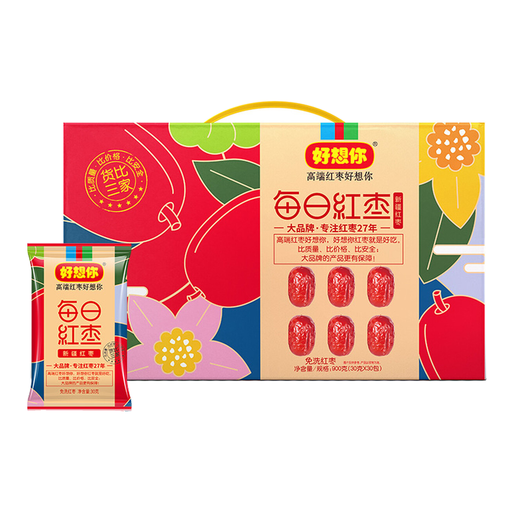
The 30 sachets allow for individual hand-outs. Each is labelled 30g, the weight the NHS uses for one adult dried-fruit 5 A Day portion; check the pack for ingredients and whether the dates contain pits before serving.
 No image available
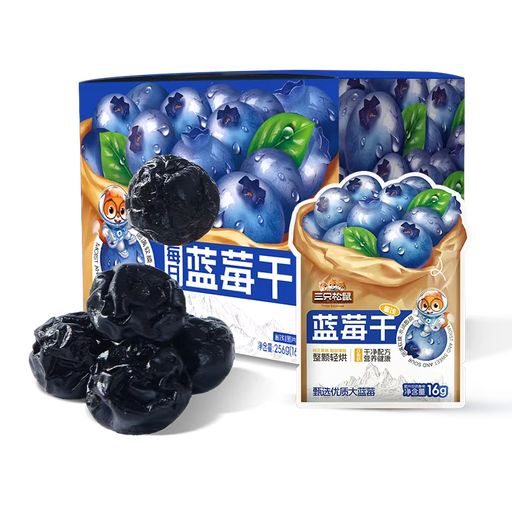
The 16 small packs offer a blueberry-flavoured hand-out instead of a raisin box. Check the ingredient and nutrition labels if added sugar is a consideration; a 16g pack is smaller than the NHS 30g dried-fruit portion reference.
 No image available
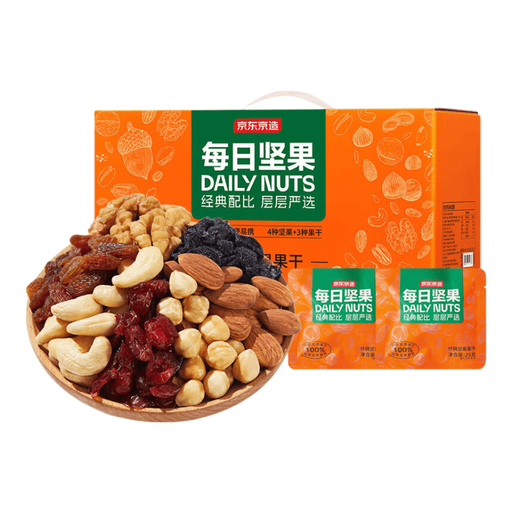
This nuts-and-dried-fruit mix is a different choice from a fruit-only pack and comes in 30 sachets. Check the exact nut ingredients and allergen statement before offering it to guests, particularly when their dietary requirements are unknown.
 No image available
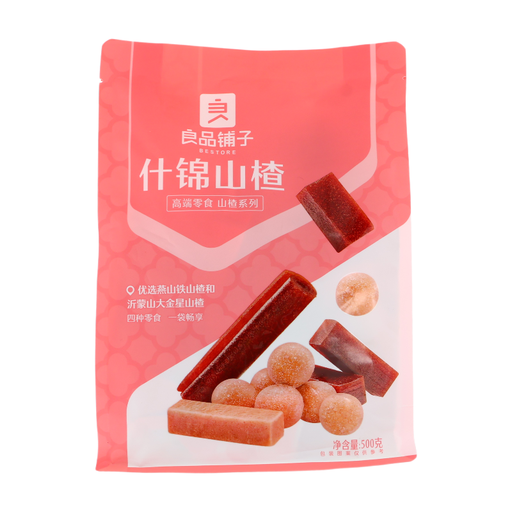
The 25 small bags provide another individually packed fruit-based snack for the party. It is an assorted hawthorn snack rather than a plain raisin pack, so compare the varieties’ ingredients and sugars on their labels.
Not necessarily. The NHS uses 30g of dried fruit for one adult 5 A Day portion, while the Tesco and Sainsbury’s mini raisin boxes described here contain 14g each. Check the weight of the individual box rather than the outer multipack.
No pack should be assumed suitable for every allergy from its name alone. Check the ingredients and precautionary allergen statement on the exact box being offered. The Food Standards Agency explains that precautionary labelling communicates the possibility of an allergen being unintentionally present.
“May contain” is a precautionary allergen statement, not a declaration that the allergen is an ingredient. The Food Standards Agency says this labelling communicates that an allergen could be unintentionally present; keep the relevant pack available so guests can read its specific warning.