Picnic hosts managing a named food allergy
Start with the allergen the guest needs to avoid. Compare it with both the ingredients and any precautionary statement on the current pack before putting the fruit out to share.


Choose picnic dried fruit against the particular allergen or preservative you need to avoid, using the pack you actually buy rather than a general “natural” or “free-from” impression. A short ingredient list makes a useful starting point, but it does not override a “may contain” or “not suitable for” warning; check those statements separately, especially for nuts, peanuts, sesame and sulphites.
Start with the allergen the guest needs to avoid. Compare it with both the ingredients and any precautionary statement on the current pack before putting the fruit out to share.
Check for sulphur dioxide, sulphites and preservative names on the specific product. The Food Standards Agency notes that sulphites are used in some dried fruit; the type or appearance of the fruit is not enough to settle the question.
A smaller pack may be easier to allocate to one person, but portion format does not answer an allergy question. Read the label and any warnings about pips, stones or small pieces of fruit before serving children.
Work from the guest’s specific avoidance requirement to the exact pack: ingredients first, precautionary allergy advice next, then any additions or serving warnings that matter for the picnic.
| Priority | What to check | Your needs |
|---|---|---|
| Named allergens | Read the full ingredient list for the allergen being avoided. Check fruit mixes and biscuit-containing snacks separately from plain fruit: Whitworths lists wheat, wheat gluten, milk and soya in its SHOTS Fruity Biscuit. | I need to know whether the food contains the particular ingredient my picnic guest must avoid, rather than relying on its dried-fruit name. |
| Precautionary warnings | Read “may contain” and “not suitable for” statements as well as ingredients. Sainsbury’s lists mango as the sole ingredient of its SO Organic Dried Mango but marks it not suitable for customers with a nut or sesame allergy due to manufacturing methods. | A short ingredient list would help me compare products, but I still need the manufacturing warning to be compatible with the guest’s allergy. |
| Sulphites | Look for sulphur dioxide or sulphites, including preservatives identified as such. M&S lists preservative E223 (sulphites) in its Dried Mango; Asda declares sulphur dioxide/sulphites in Raisins, Berries & Cherries. | If sulphites are the issue, I need an answer from this pack’s label, not an assumption based on the fruit variety or colour. |
| Other ingredients | Compare syrups, candied peel, biscuit ingredients and preservatives when these matter to your choice. Tesco Cranberries list a fruit-juice-derived syrup; Sainsbury’s Mixed Dried Fruit lists candied peel, glucose-fructose syrup and sugar. | I may want a simpler fruit snack for lunch, or I may be content with a mix once I have checked every relevant ingredient and allergy warning. |
| Serving format | Check pack size and any pips, stones or choking warnings. Tesco’s Sunsweet Stoned Prunes listing warns that an occasional pit or partial pit may remain; Asda warns about small pieces of fruit in its Raisins, Berries & Cherries. | For children or a shared picnic, I need to consider how the fruit will be served as well as whether its allergy information fits the group. |
Sainsbury’s SO Organic Dried Mango lists mango alone, yet its product page says it is not suitable for customers with a nut or sesame allergy due to manufacturing methods. M&S Dried Mango lists sulphites as a preservative.
Match the current pack’s ingredients and precautionary wording to the specific allergen being avoided. Neither a short ingredient list nor an organic claim replaces that check.
Information about sulphites does not establish whether a product is suitable for someone avoiding nuts, peanuts or sesame. Those warnings need to be assessed separately.
Check each relevant allergen in turn, including any “may contain” or “not suitable for” statement, before choosing fruit for a guest.
Whitworths SHOTS Fruity Biscuit lists wheat, wheat gluten, milk and soya, with additional precautionary warnings for peanuts, other nuts, sesame and cereals containing gluten.
When comparing a flavoured snack with plain fruit, read its complete ingredient and allergy information rather than deciding from the fruit in its name.
An earlier label cannot tell you what is printed on the pack being served at this picnic. M&S advises shoppers to check ingredients before buying.
Use product pages to narrow your choices, then read the exact physical pack, including its precautionary statements and serving warnings.
These product examples show why allergy information needs checking at product level; a brand name alone does not describe every item in its range.
Whitworths sells dried-fruit and snack-format products.
Sunsweet’s Stoned Prunes provide a prune example for comparing ingredients and serving warnings.
Tesco’s dried-fruit listings include ingredients and product-specific allergy advice.
Sainsbury’s listings illustrate the difference between a single-fruit product and a dried-fruit mix.
Asda’s raisin and fruit-mix listings have different ingredients and warnings.
M&S publishes product allergy information and explains its precautionary “not suitable for” wording.
These Joybuy options include figs, peach, prunes and coconut flakes to consider for a picnic. Their pack sizes and fruit types can help narrow the choice, but check each current pack against the guest’s particular allergy or preservative requirement before serving.
 No image available
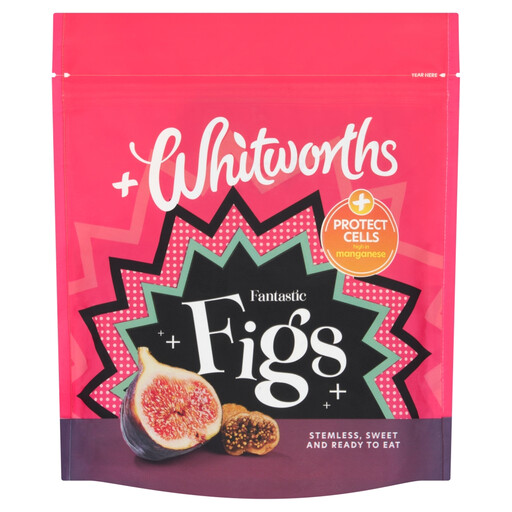
A 175g fig pack to consider for a picnic. If a guest avoids nuts or peanuts, check the pack’s manufacturing warning before serving; a short ingredient list would not override it.
 No image available
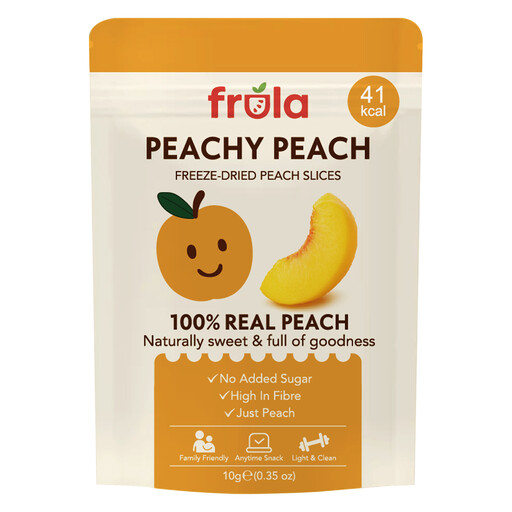
This 10g freeze-dried peach pack is a smaller option for an individual picnic snack rather than a group portion. Check its current ingredients and allergy advice against the eater’s needs.
 No image available
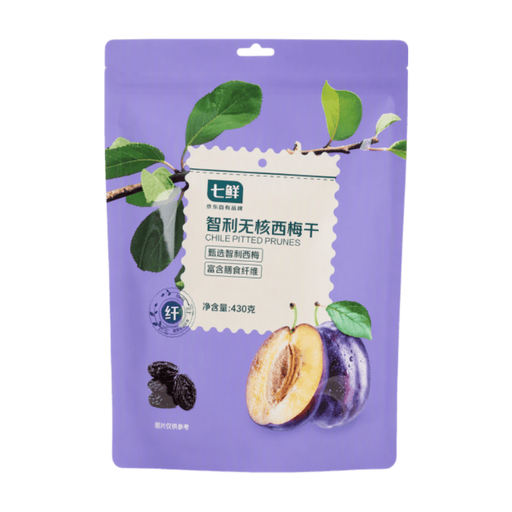
A 430g pitted-prune option if you are packing fruit for several people. Check the current allergy information and any warning about pit fragments before serving, particularly to children.
 No image available
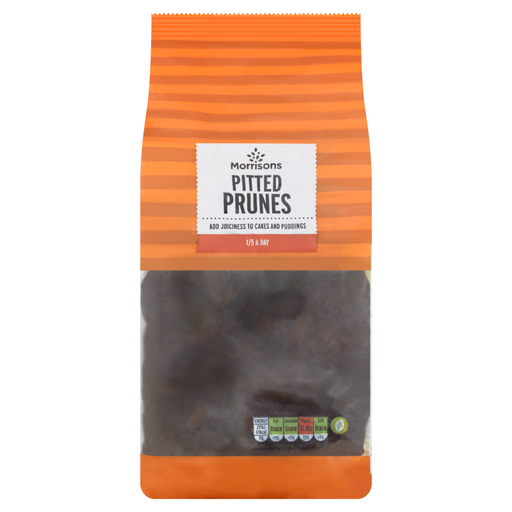
This 500g pitted-prune pack is another option for sharing. If preservatives matter to your choice, check the current ingredient list for potassium sorbate; also read any pit-fragment warning before serving.
 No image available
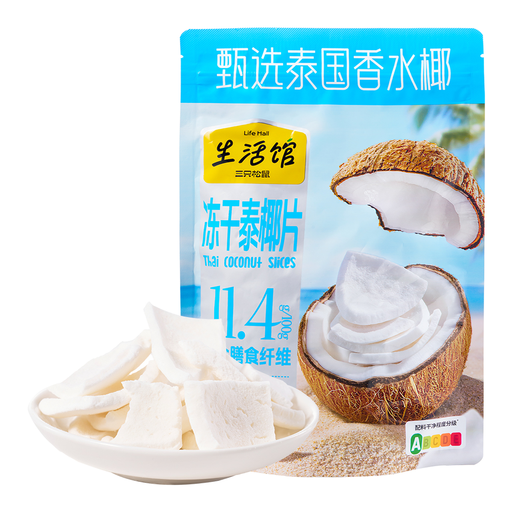
A 100 g coconut-flake option for a picnic. Check the pack’s coconut allergy wording for the intended guest and read its ingredients if added sugar is a consideration.
No. A statement about one ingredient or allergen does not answer questions about every other one. Check the current ingredients and any “may contain” or “not suitable for” wording against the named allergy; for example, M&S Dried Mango lists sulphites and is marked not suitable for nut, peanut or sesame allergy.
The Food Standards Agency notes that sulphur dioxide or sulphites are used in some dried fruit, including raisins, dried apricots and prunes. That does not mean every product contains them: read the label of the fruit you intend to buy, including any preservative declaration.
Use it to compare options, then read the physical pack you buy. Check its ingredients, precautionary allergy advice and serving warnings before you pack or serve the fruit.
Read any warnings about choking and remaining pips or stones, separately from allergy advice. Asda warns that small pieces of fruit can cause choking in its Raisins, Berries & Cherries listing, while Tesco’s Sunsweet Stoned Prunes listing warns that an occasional pit or partial pit may remain.