What should you compare?
Start with a consistent portion: the NHS identifies 30g of dried fruit as one 5 A Day portion. Then check ingredients and serving format on the particular pack.
| Priority | What to check | Your needs |
|---|
| Calories per portion |
Compare kcal per 100g, then use the same portion weight. Whitworths lists 47 kcal per 30g for Amazing Apricots and 48 kcal for its Prunes; ASDA lists 96 kcal per 30g for Seedless Raisins. |
I want a small fruit addition without mistaking a smaller labelled serving for a lower-calorie product. |
| Ingredients and sugars |
Read the ingredients and the sugars line separately. ASDA Seedless Raisins list 70g sugars per 100g; a Marks & Spencer mix contains sweetened cranberries, candied peel and sweetened pineapple. |
If I prefer to avoid sweetened or candied ingredients, the product name alone will not tell me what is in a mix. |
| Serving format |
Decide whether whole apricots or prunes, or small raisins, suit the plate. Check prune packs for warnings that stones or fragments may remain. |
Whole pieces would be easier for me to set beside cheese and bread; I still want to check them when serving. |
| Allergens and preservatives |
Check the exact pack’s ingredient and allergen declarations. The cited Whitworths and Sainsbury’s apricots contain sulphur dioxide; the cited Whitworths prunes list potassium sorbate. |
Sulphites or particular added ingredients may affect which pack I can choose. |
Prunes and apricots on Joybuy
These Joybuy options are prunes and soft apricots that could accompany a ploughman’s lunch. Compare the exact packs’ energy per 100g and ingredients rather than assuming that fruits of the same type have identical labels.
 No image available
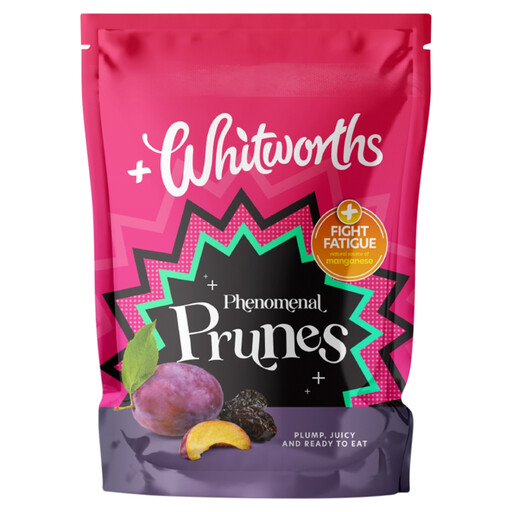
Whitworths Snacking Prunes 190g
Prunes are an option if you want whole fruit beside cheese and bread. Check this pack’s energy per 100g, ingredients and any stone warning before serving.
View on Joybuy
 No image available
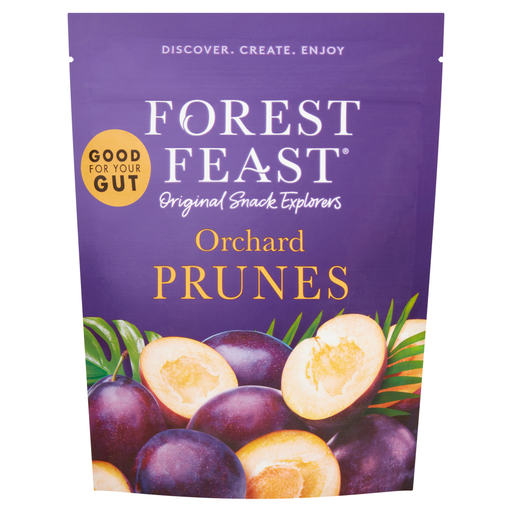
Forest Feast Orchard Prunes 200g
These prunes offer another whole-fruit choice for the lunch plate. Compare the pack’s calorie figure with other prunes and check whether it says they are pitted.
View on Joybuy
 No image available
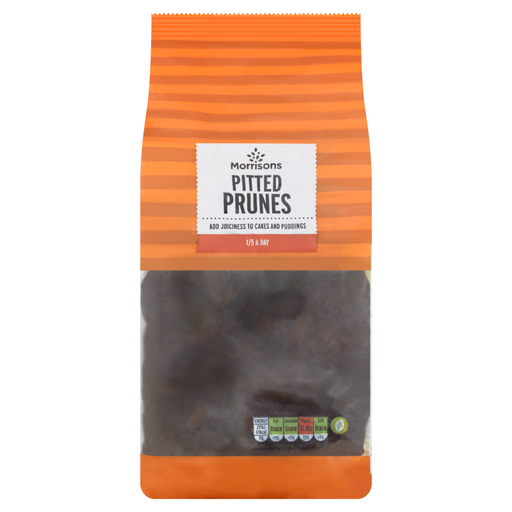
Morrisons Dried Pitted Prunes 500g
The pitted format may suit a plate of cheese and bread, but check the pack for possible stone fragments. Measure the portion from this 500g bag and compare its kcal-per-100g figure with other choices.
View on Joybuy
 No image available
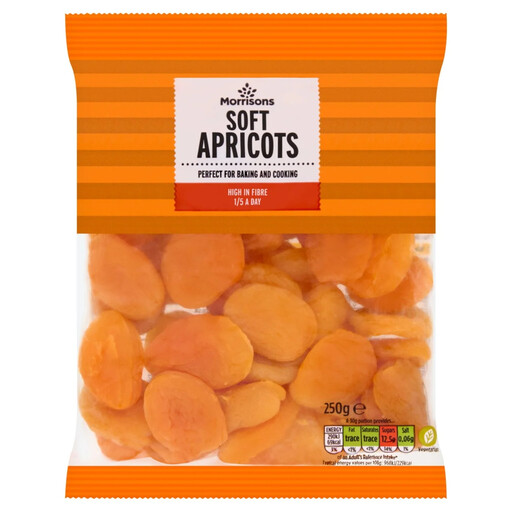
Morrisons Soft Apricots 250g
Soft apricots provide a whole-fruit alternative to prunes for the lunch plate. Check this pack’s calories, sulphur dioxide declaration and any stone warning before choosing a portion.
View on Joybuy
 No image available
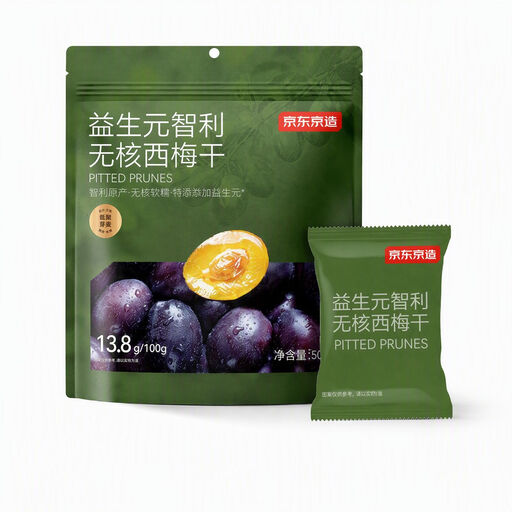
J.ZAO Prebiotic Pitted Chilean Prunes 500g
The pitted format offers another way to serve prunes with lunch. Check the exact ingredients for isomaltose and compare calories per 100g before treating the pack’s sugar-related wording as a reason to choose it.
View on Joybuy
Frequently asked questions
How much dried fruit should I compare for a ploughman’s lunch?
Use 30g as a consistent comparison weight. The NHS says 30g of dried fruit counts as one 5 A Day portion and advises eating dried fruit at mealtimes rather than between meals to reduce the risk of tooth decay.
Which of the cited fruits has the fewest calories per 30g?
Whitworths lists 47 kcal per 30g for Amazing Apricots, followed closely by 48 kcal for its Prunes. ASDA Prunes list 162 kcal per 100g, equivalent to about 49 kcal per 30g; these figures apply to those specific products, not every apricot or prune pack.
How do raisins compare with those apricots and prunes?
ASDA Seedless Raisins list 96 kcal per 30g, compared with 47–48 kcal per 30g on the cited Whitworths apricot and prune labels. Compare the packs you are considering at the same weight if calories are the deciding factor.
What ingredients should I check on dried-fruit packs?
Check the exact pack’s ingredient and allergen declarations. The cited Whitworths and Sainsbury’s apricots contain sulphur dioxide, and a cited Marks & Spencer fruit mix contains sweetened fruit and candied peel.
Can I assume pitted prunes contain no stones?
No. The cited ASDA and Whitworths prune labels warn that stones or fragments may remain, so check the pack warning and take care when eating or serving them.


