Who is choosing?
The useful choice depends on whether the fruit is there to accompany the lunch or to add protein to one part of it.
Shoppers paying attention to protein
If cheese, eggs, ham or another food is the main protein element, compare dried fruit as an accompaniment. If you want the fruit component to contribute more protein, compare its per-100g label with a fruit-and-nut mix without treating the two as interchangeable.
Shoppers pairing fruit with cheese
Plain figs and apricots keep the fruit separate from the savoury foods on the plate. Compare the particular packs for protein, serving size and storage instructions, rather than assuming all figs or apricots have the same label values.
Households checking allergens
A shared lunch calls for a check of each pack’s ingredients and allergen information. Fruit-and-nut mixes can contain peanuts or other nuts, while some dried apricots contain sulphites; the relevant warnings depend on the product.
What should you compare?
Decide first whether you want plain fruit or a fruit-and-nut mix. Then compare labels on the same per-100g basis before deciding how much to serve.
| Priority |
What to check |
Your needs |
| Protein |
Compare declared protein per 100g on the exact packs. Keep plain fruit and fruit-and-nut mixes distinct; a higher protein figure alone does not establish that a product qualifies for a “high protein” claim. |
I want to know what the fruit contributes without mistaking it for the lunch’s main protein food. ASDA declares 4.0g per 100g for its apricots and 3.3g for its figs; Whitworths declares 13.7g for its 1DERS fruit-and-nut mix. |
| Fruit pairing |
Choose between plain figs, plain apricots and a mix containing nuts. Check the ingredients if you want fruit without added components. |
For a plate with cheese and bread, I may prefer to serve the fruit on its own. If I choose a mix instead, everyone sharing the lunch needs to be able to eat its ingredients. |
| Portion |
Compare the pack’s serving size with the amount you intend to put on the plate. The NHS says 30g of dried fruit counts as one 5 A Day portion and advises eating dried fruit at mealtimes. |
A small amount alongside the rest of lunch suits me better than judging the serving by the pack’s per-100g protein figure. |
| Ingredients and warnings |
Read the current pack for nuts, peanuts, sesame and sulphites where relevant. Check physical-food warnings too: ASDA warns that stones may remain in its figs. |
I need to serve something suitable for everyone at the table, particularly when changing from plain fruit to a mix or switching brands. |
| Sweetened fruit |
Look at the ingredients and nutrition panel on the particular mix. Whitworths lists sweetened dried cranberries in its 1DERS Energising Fruit and Nut Mix. |
If I want to compare a mix with plain fruit, I want to see what else has been added rather than choosing on protein alone. |
Relevant brand references
These examples help distinguish plain fruit from fruit-and-nut mixes; a brand name by itself does not tell you a particular pack’s protein or allergen information.
Whitworths
Whitworths makes both dried-fruit products and fruit-and-nut mixes. Its 1DERS Energising Fruit and Nut Mix is the mix with a comparable manufacturer protein figure here.
- Whitworths declares 13.7g protein per 100g for that mix and lists peanuts, raisins and sweetened dried cranberries.
- It is not plain dried fruit. Check the pack’s allergen information before including it in a shared lunch.
Asda
ASDA’s labelled plain apricots and figs provide two fruit-only categories to consider for the plate.
- ASDA declares 4.0g protein per 100g for its Apricots 200g and 3.3g per 100g for its Figs 200g.
- Its apricots list sulphur dioxide, while its figs warn that stones may remain. Check the pack you choose.
Sainsbury’s
Sainsbury’s SO Organic Figs 250g offer another plain-fig label to compare when fruit pairing matters more than adding protein.
- Sainsbury’s declares 2.7g protein and 12.7g fibre per 100g for this specific fig product.
- Use the nutrition panel for the exact fig pack you are considering; those values do not describe every Sainsbury’s dried fruit.
Tesco
Tesco lists dried-fruit categories including apricots, figs, prunes, dates, raisins and sultanas.
- Those categories give shoppers several types of fruit to consider alongside cheese and bread.
- Compare the nutrition and ingredients panels of individual packs before making a protein comparison.
M&S
The Marks & Spencer fruit-snacks catalogue includes soft figs, soft apricots and fruit-and-nut medleys.
- The listed types allow a choice between plain fruit and a mix for the lunch.
- Check each pack’s protein, ingredients and serving information before comparing it with another product.
Joybuy product options
These Joybuy options cover fruit-and-nut mixes for shoppers comparing the fruit component’s protein, alongside dried figs for those who want plain fruit with a ploughman’s lunch. Check each current pack before serving it to others.
 No image available
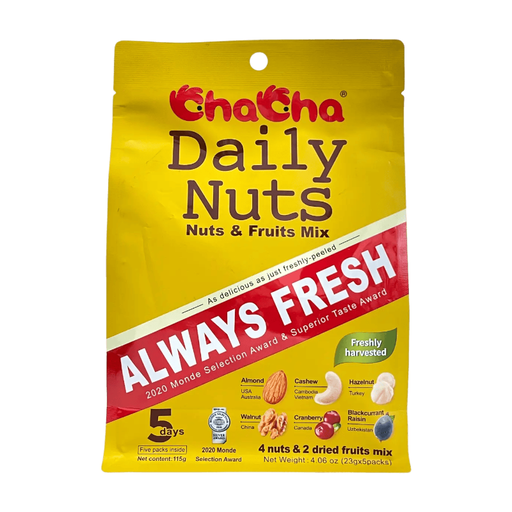
Qia Qia Daily Nuts 115g
Consider this fruit-and-nut option if you want to compare a mix with plain dried fruit for the lunch. The pack is 115g; check its nutrition panel for protein per 100g and its ingredients and allergen information before sharing.
View on Joybuy
 No image available
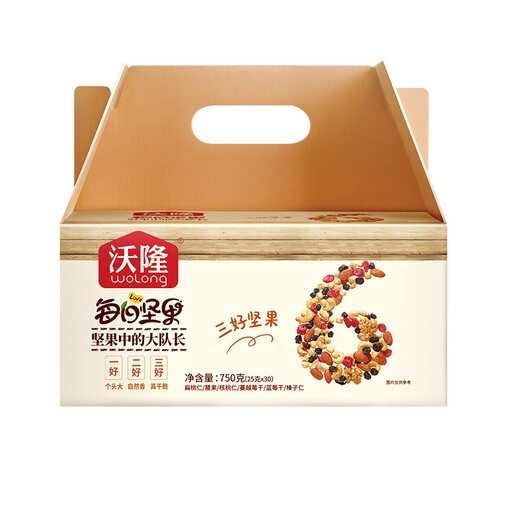
Wolong Daily Nuts Series A (Adult Version) 750g
This fruit-and-nut option suits a comparison with plain fruit when protein is part of the buying decision. The named pack is 750g; check the nutrition panel, ingredients and serving information for the exact product before putting it on a shared plate.
View on Joybuy
 No image available
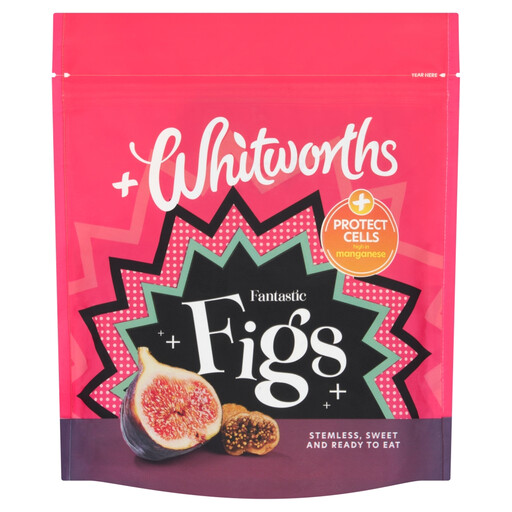
Whitworths Figs 175g
Choose figs if you want dried fruit alongside cheese and bread rather than a nut mix. This is a 175g pack; use its own nutrition panel to judge protein, and check its ingredients and warnings before serving.
View on Joybuy
 No image available
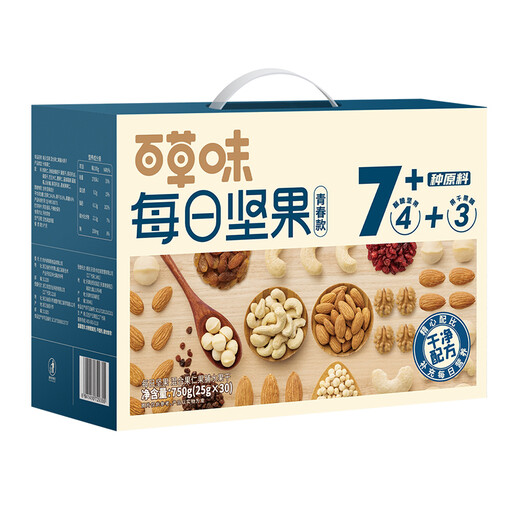
BE&CHEERY Daily Mixed Nuts and Dried Fruits 750g
This named 750g mix is an option when you want both dried fruit and nuts on the lunch table. Compare its protein and sugar values on the pack with other mixes, and check the ingredients and allergens for everyone sharing it.
View on Joybuy
 No image available
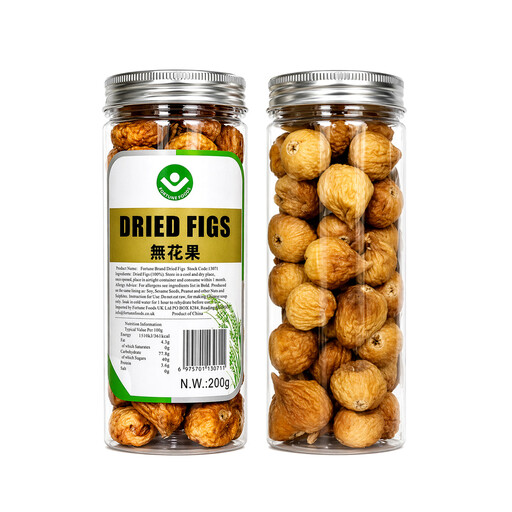
Figs 200g
These dried figs offer a plain-fruit route for serving something sweet with the savoury lunch. The named pack is 200g; check its own protein figure, allergen information and any stone warning before serving.
View on Joybuy
Common questions
Is plain dried fruit a useful choice for protein?
Treat it as an accompaniment rather than the lunch’s main protein food. ASDA declares 4.0g protein per 100g for its apricots and 3.3g for its figs; Sainsbury’s declares 2.7g per 100g for its SO Organic Figs. Compare the exact pack, since these figures describe particular products, not every dried fruit.
Should I choose apricots, figs or a fruit-and-nut mix?
Choose plain apricots or figs if you want fruit to accompany cheese and bread; consider a fruit-and-nut mix if you want to compare a higher protein figure and nuts are suitable for everyone eating it. Among the labelled examples here, Whitworths declares 13.7g protein per 100g for its 1DERS mix, compared with ASDA’s 4.0g for apricots and 3.3g for figs. The mix is not plain dried fruit.
How much dried fruit should go on the plate?
The NHS says 30g of dried fruit counts as one 5 A Day portion and advises eating dried fruit at mealtimes. Use that dried-fruit amount as a reference for the lunch, then check the particular pack’s serving information; it is not a 30g rule for an entire fruit-and-nut mix.
Which ingredients and warnings matter for a shared lunch?
Check the current pack’s ingredients, emphasised allergens and safety warnings for the people eating it. Whitworths lists peanuts in its 1DERS fruit-and-nut mix, ASDA lists sulphur dioxide in its apricots, and ASDA warns that stones may remain in its figs. Those details are product-specific.
Does a higher protein figure make a fruit-and-nut mix “high protein”?
No conclusion about a “high protein” claim follows from comparing protein grams alone. A mix may declare more protein per 100g than plain fruit, as Whitworths’ 1DERS mix does against the ASDA apricots and figs here, but its full nutrition information matters if that claim is central to your choice.


