Choose a dried-fruit pack you can store properly and use, then check whether it contains plain fruit or other ingredients. If you are buying it for a regular midnight snack, UK government guidance advises eating dried fruit at mealtimes rather than between meals to reduce tooth-decay risk. Individual sachets can help you set out a portion, but they do not change that guidance.
Who is buying a larger pack?
Households that use dried fruit regularly
If you use raisins or sultanas across several meals or recipes, a larger pack may be practical when you can reseal it and follow its storage instructions. Tesco and Sainsbury's both list 1 kg plain-raisin packs.
Late-night snackers planning portions
A sachet or a portion put into a bowl gives you a stopping point instead of an open bag. For the eating occasion itself, the Office for Health Improvement & Disparities advises having dried fruit at mealtimes, not as a between-meal snack, to reduce tooth-decay risk.
Shoppers checking ingredients and allergens
Plain fruit and mixed snacks need different label checks. The Food Standards Agency notes that sulphites are often used in dried fruit; products containing nuts need a separate nut check. Read the declaration on the exact pack you intend to use.
What should you check?
Start with how you will use and store the pack, then check the eating occasion and the exact ingredients.
| Priority |
What to check |
Your needs |
| Pack size and storage |
Compare net weights and sachet counts. Check whether the pack can be resealed and follow its after-opening instructions. |
I use dried fruit often enough to finish a larger pack and have somewhere suitable to keep it after opening. |
| Eating occasion |
Check whether this is for a meal or between-meal grazing. The Office for Health Improvement & Disparities advises eating dried fruit at mealtimes to reduce tooth-decay risk. |
If I am looking for a regular midnight snack between meals, a larger bag or smaller sachets do not change that advice. |
| Ingredients and allergens |
Read the full ingredients and allergen declaration. Check separately for sweetened fruit, sulphites and nuts in mixed products. |
I want to know what is in this particular pack, especially if someone in my household must avoid an ingredient or allergen. |
| Fruit and texture |
Choose the fruit you intend to eat. Check whether a ready-to-eat product is partially rehydrated and whether its storage instructions differ from those for a cupboard pack. |
I would rather choose the texture I will use than assume dates, raisins and softer apricots are interchangeable. |
Common buying mistakes
-
Choosing the largest bag without a plan to use it
An opened pack needs to be stored as its label directs. A larger bag can also make it easy to keep taking fruit from the pack without setting out a portion.
Choose a size your household can finish, follow its storage instructions and put out the amount you intend to eat. UK government guidance still advises having dried fruit at mealtimes rather than as a repeated between-meal snack.
-
Assuming every fruit mix contains only plain fruit
Whitworths Mixed Fruit lists candied peel made with glucose syrup and sugar. The Joybuy BE&CHEERY fruit-and-nut listing includes tree nuts, sweetened cranberries and sulphites. Neither ingredient list describes plain dried fruit alone.
Read the whole ingredients list and allergen declaration rather than relying on the product name or fruit pictured on the pack.
-
Overlooking sulphites in a different variety
Tesco Ready To Eat Apricots and M&S Jumbo Golden Raisins list sulphur dioxide. An ingredient list for one dried-fruit product does not establish what is in another variety.
If sulphites are relevant to your household, check the current declaration on every product and pack size before buying.
Brands and ranges to check
Tesco
Tesco lists plain 1 kg raisin and sultana packs alongside ready-to-eat dried fruit.
- The listed pack types give shoppers a choice between plain raisins or sultanas and a different fruit or texture.
- Tesco Ready To Eat Apricots are partially rehydrated and list sulphur dioxide and potassium sorbate; check their label rather than applying plain-raisin storage or ingredient assumptions.
Sainsbury's
Sainsbury's lists seedless raisins in both 500 g and 1 kg packs.
- The two listed sizes let households choose according to how much they expect to use.
- Check the current pack for its ingredients and storage directions before treating either size as suitable for your household.
Whitworths
Whitworths has both portioned raisins and mixed-fruit products, which call for different ingredient checks.
- Whitworths Sunny Raisins provide a 14 g box format; the brand lists raisins and sunflower oil as ingredients.
- Whitworths Mixed Fruit includes candied peel containing glucose syrup and sugar, as well as sulphur dioxide. It is not the same ingredient choice as its Sunny Raisins.
M&S
M&S lists a 500 g raisin pack among its dried-fruit products.
- Its raisin listing gives after-opening directions to reseal the pack and keep it in a cool, dry place.
- The listed ingredients are raisins and sunflower oil; check the specific product rather than assuming every raisin variety has the same ingredients.
Joybuy snack packs
These listings cover portioned red dates and a separate chestnut multi-pack. Chestnuts are a different snack, not a dried-fruit alternative with the same contents.
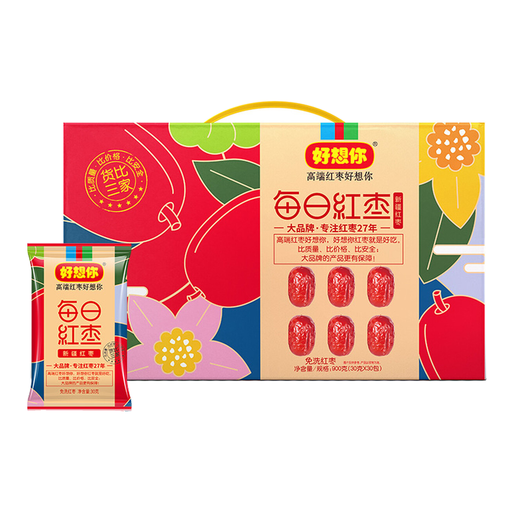 Image unavailable
Hao Xiang Ni Ready-to-Eat Red Dates, 900 g (30 × 30 g)
The 30 individual sachets offer a way to take one portion from the larger pack. The product information notes that the dates contain pits, so remove them before eating. UK government guidance advises eating dried fruit at mealtimes rather than as a between-meal snack.
View on Joybuy
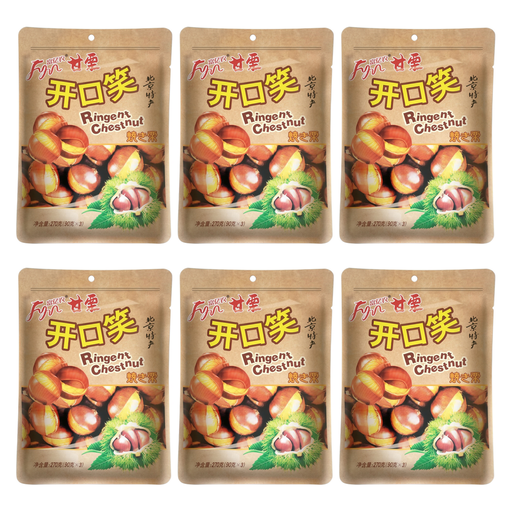 Image unavailable
Fu Yi Nong Shelled Chestnuts, 270 g × 6
This is a separately packed chestnut option for households seeking several snack packs: the listing specifies six 270 g boxes, each containing three packs. Chestnuts are not dried fruit, so choose them for chestnuts rather than as a direct substitute for raisins or dates.
View on Joybuy
Frequently asked questions
Does a portioned pack make dried fruit suitable for an everyday midnight snack?
Portioned packs help you set out an amount, but they do not change the eating-occasion advice. The Office for Health Improvement & Disparities advises having dried fruit at mealtimes rather than between meals to reduce tooth-decay risk.
How do I choose a dried-fruit pack I will use?
Check the net weight, fruit type, ingredients and after-opening storage directions against how your household will use it. A larger pack is practical only if you can store and finish it as directed; sachets may be easier to take one at a time.
What should I check if sulphites or nuts matter to my household?
Read the ingredients and allergen declaration on the exact pack. The Food Standards Agency notes that sulphites are often used in dried fruit, while a fruit-and-nut mix also needs a nut check. Do not assume another flavour or pack size has the same ingredients.
How should I keep a larger pack after opening?
Follow that product's label rather than applying one storage rule to every dried fruit. The M&S 500 g raisin listing directs shoppers to reseal the pack and keep it in a cool, dry place; check the directions on other products separately.


