Meal planners using loose packs
A larger bag may fit your routine if you use dried fruit in porridge, yoghurt or recipes and can measure an amount before serving it. The NHS uses 30g as its dried-fruit portion reference.


A loose dried-fruit value pack can suit a weight-management shopping plan if you will measure out servings rather than eat from the bag; individual packs make the amount visible before you open one. The NHS uses 30g as a dried-fruit portion and advises eating dried fruit at mealtimes. Whichever format you choose, check the ingredients and nutrition for the amount you intend to eat.
The useful distinction is whether you prefer to measure dried fruit from a shared bag or have an amount separated before opening.
A larger bag may fit your routine if you use dried fruit in porridge, yoghurt or recipes and can measure an amount before serving it. The NHS uses 30g as its dried-fruit portion reference.
Individual 30g packs show the amount you are opening without having to portion a larger bag at home. Check the amount in each pack rather than assuming every sachet is one NHS dried-fruit portion.
Check whether a mix contains candied or syrup-containing ingredients, and read the allergen information for the exact product. The Food Standards Agency notes that sulphites are often used in dried fruit.
Choose the fruit and pack format you will use, then compare labels using the amount you expect to serve.
| Priority | What to check | Your needs |
|---|---|---|
| Serving format | Check whether the fruit is loose or individually packed, the amount in each inner pack, and nutrition for the amount you will serve. The NHS uses 30g as a dried-fruit portion. | I can measure fruit from a shared bag, or I would rather see the amount separated before opening it. |
| Pack quantity | Check the total weight, the number of inner packs if present, and whether the household will use that quantity. | A larger pack makes sense for me only if its contents fit the meals or recipes I have planned. |
| Ingredients and nutrition | Read the full ingredient list for candied fruit, syrup or other additions. Compare energy and sugars on the same basis, such as per 100g or for the amount you will eat. | I want to know what is in the mix, rather than treating every dried-fruit pack as equivalent to plain fruit. |
| Allergens | Check the exact pack for sulphur dioxide, sulphites and other relevant allergen information; ingredients can differ between products and variants. | If I need to avoid an ingredient, I need the label for the particular pack I am buying. |
Sainsbury's lists candied mixed peel containing glucose-fructose syrup in its 1kg mixed dried fruit. That ingredient list differs from one containing only dried fruit.
Decide which fruit and ingredients you want before comparing pack sizes, then read the nutrition for the amount you intend to serve.
A loose bag does not separate servings for you. The NHS uses 30g as a dried-fruit portion and advises eating dried fruit at mealtimes.
Measure an amount into a bowl or recipe first, or check whether individual packs contain the amount you intend to use.
“No added sugar” describes an ingredient distinction, not the amount of sugars or energy in a serving. Tesco's listing for Sunsweet Stoned Prunes reports 38g sugars and 229kcal per 100g despite its no-added-sugar description.
Read the ingredients alongside the nutrition panel and calculate your serving from the amount you will actually eat.
The Food Standards Agency says sulphur dioxide and sulphites are often used in dried fruit and notes a higher risk of reaction for people with asthma. One product's label cannot establish what is in another.
Check the ingredients and allergen statement on the exact fruit and pack size before buying.
These ranges illustrate different dried-fruit formats; the details that matter for a purchase belong to the individual product label.
Whitworths lists a 1DERS dried-apricot and mango multipack with individual 30g packs.
Tesco lists loose 1kg seedless raisin and sultana packs, among other dried-fruit products.
Sainsbury's lists 1kg plain dried-grape packs as well as a 1kg mixed dried-fruit product.
The M&S range lists larger formats including 750g apricots, 1kg Turkish sultanas and a 750g fruit-and-nut medley.
Sunsweet lists pitted-prune formats, including a 500g pack for shoppers who specifically want prunes.
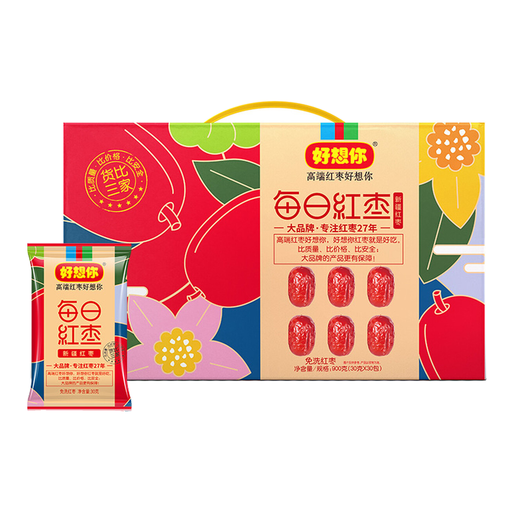
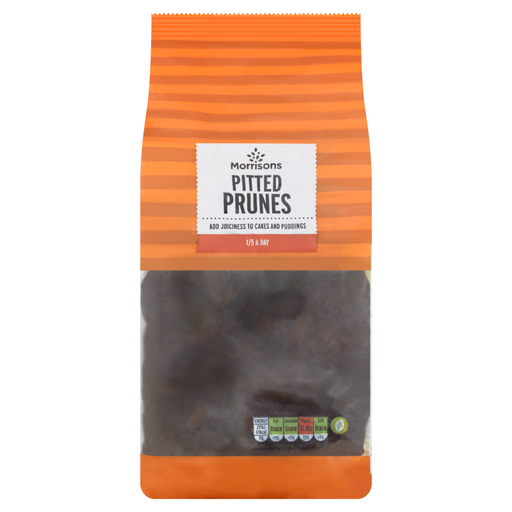
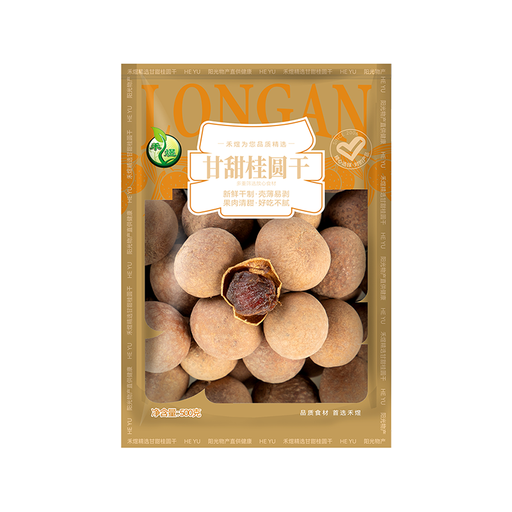
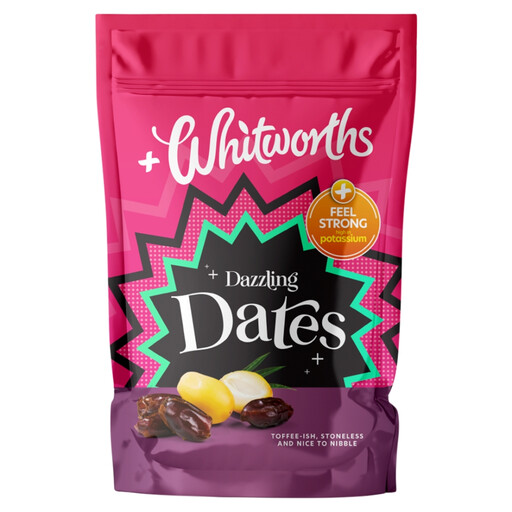
These options include loose packs of prunes, dates and longan, plus a red-date box with individual sachets. Check each format against the serving amount and intended use that matter to you.
 No image available
A 500g prune pack for shoppers choosing prunes rather than a dried-grape mix. Check the ingredient list against any sweeteners you avoid, and take care because pitted fruit may still contain stone fragments.
 No image available
The 30 individual 30g sachets make the pack amount clear before opening. These red dates, also known as jujubes, have pits inside; take care when eating them.
 No image available
This loose 500g pack suits a routine where you measure prunes before adding them to a meal. The product warning says small stone pieces may occasionally remain despite the prunes being pitted.
 No image available
This loose 500g pack is an option for measured use in cooked dishes rather than ready-to-eat snacking. Its product directions call for washing before cooking and describe use in dishes such as congee or soup.
 No image available
The 300g loose pack is a smaller option if you plan to measure dates for meals or recipes. Its listed ingredients are dates and sunflower oil; follow the product warning about possible shell fragments and suitability for small children.
The NHS uses 30g of dried fruit as one 5 A Day portion and advises eating dried fruit at mealtimes rather than between meals. A pack's own serving suggestion may be different, so check its stated weight.
Yes, if you will separate the amount you intend to eat before serving it. For reference, the NHS dried-fruit portion is 30g; the weight of the bag does not determine the size of an individual serving.
No. Sainsbury's lists candied mixed peel containing glucose-fructose syrup in its 1kg mixed dried fruit. Read the ingredients of the exact mix if you want a pack containing only dried fruit.
Check the individual pack whenever sulphites are relevant to what you can eat. The Food Standards Agency says sulphur dioxide and sulphites are often used in dried fruit and notes a higher risk of reaction for people with asthma; their presence cannot be assumed from the fruit name alone.
Follow the storage directions on the exact product. Directions can differ: Sainsbury's mixed dried fruit specifies a cool, dry place, while the cited Sunsweet prunes say to refrigerate after opening for best quality.