Shoppers buying dried fruit for someone with an allergy
Check the ingredients and any precautionary allergen statement on the current pack. A product’s fruit-based name does not establish whether it suits a particular allergy.


Compare protein on the exact pack rather than assuming dried fruit will meet a protein goal: Marks & Spencer lists 1.9 g per 100 g for Dried Pineapple and 2.2 g for Collection Soft Apricots, while Whitworths lists 7.7 g per 100 g for its Favourites Fruit & Nut Mix. That mix contains almonds and cashews and may contain other nuts and sesame, so its higher listed protein does not make it suitable for every allergy; check the current ingredients and precautionary statements against the eater’s needs.
Check the ingredients and any precautionary allergen statement on the current pack. A product’s fruit-based name does not establish whether it suits a particular allergy.
A fruit-and-nut mix may list more protein than some plain-fruit products, but its ingredients change the allergy decision. Whitworths Favourites Fruit & Nut Mix contains almonds and cashews and says it may contain other nuts and sesame.
Vegan wording is not a substitute for checking allergy information, including statements about possible cross-contact. This matters when buying for someone with an allergy to an animal-origin ingredient.
Start with the eater’s allergens, then compare protein using the same quantity and the portion likely to be eaten.
| Priority | What to check | Your needs |
|---|---|---|
| Protein | Compare the label’s protein per 100 g on the same basis across products. Check the serving quantity as well as whether nuts contribute to a mix’s protein. | I want to know how much protein the portion I would eat provides, rather than treating all dried fruit as a protein-focused snack. |
| Ingredients | Read the full ingredients list and its emphasised allergens. For example, Whitworths Favourites Fruit & Nut Mix lists almonds and cashews. | If I am buying for someone who must avoid particular nuts, a fruit-and-nut mix needs a different check from plain fruit. |
| Sulphites | Check the exact product’s ingredients for sulphur dioxide or sulphites. Marks & Spencer lists sulphur dioxide in its Collection Soft Apricots. | A fruit snack still needs an ingredient check when sulphites are relevant to the person eating it. |
| Precautionary advice | Read any “may contain” statement separately from the ingredients list. The Food Standards Agency describes precautionary allergen labelling as a warning that a regulated allergen could be unintentionally present. | I need to check named cross-contact allergens, not just deliberately added ingredients, against the eater’s requirements. |
| Current pack | Check the physical pack before purchase or consumption, even if an online listing or an earlier pack looked suitable. Sainsbury’s advises this because product information can change. | When buying a familiar product again, I want to confirm that its current label still fits the person I am shopping for. |
Protein varies by product. Marks & Spencer lists 1.9 g per 100 g for Dried Pineapple and 2.2 g per 100 g for Collection Soft Apricots, so neither figure describes every dried fruit.
Compare the labels per 100 g and for the portion you expect to eat. If protein is the main aim, assess any separate protein food against the eater’s allergy requirements too.
Whitworths Favourites Fruit & Nut Mix lists 7.7 g protein per 100 g, but contains almonds and cashews and may contain other nuts and sesame.
Check every listed ingredient and precautionary allergen against the eater’s requirements before considering the mix.
Vegan wording alone does not address possible cross-contact with an allergen. The Food Standards Agency’s research on vegan labelling identifies this as a relevant distinction for people with food hypersensitivities to animal-origin ingredients.
Read both the ingredients and any precautionary allergen statement on the exact product.
Ingredients and allergen information can change. Sainsbury’s advises checking product packaging before purchase or consumption.
Read the current physical pack each time, including when buying a product that previously suited the eater.
Marks & Spencer’s product listings give figures and allergy information for individual dried fruits; compare the specific product rather than applying one listing to the range.
Its Favourites Fruit & Nut Mix illustrates why protein and allergen information need to be considered together.
Its own-brand allergen guidance can help shoppers prepare questions before checking an individual product.
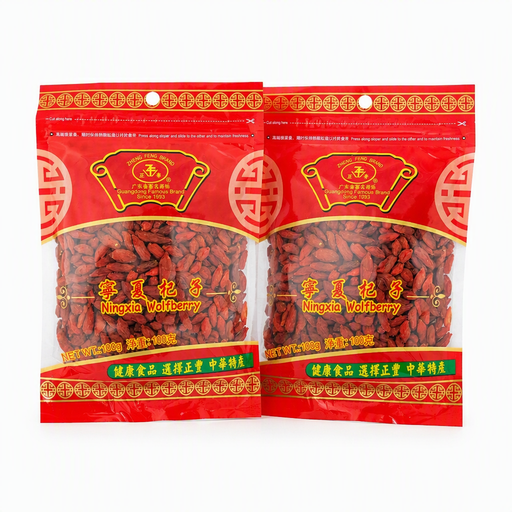
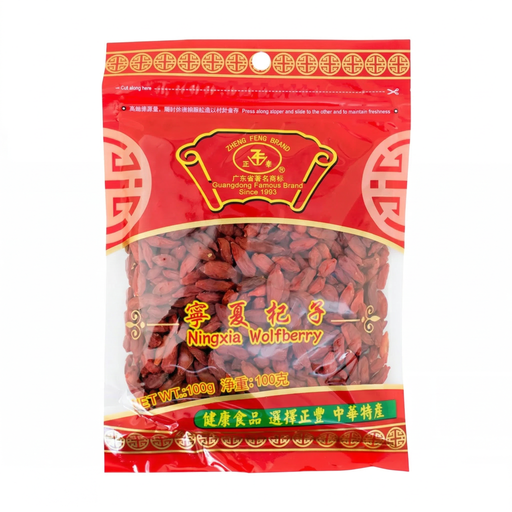
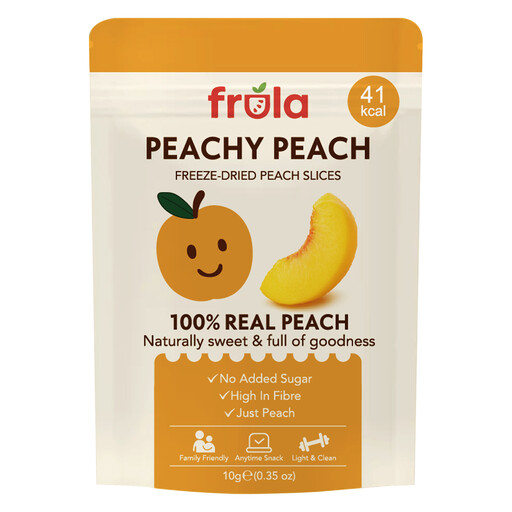
These options include two Zheng Feng NingXia Wolfberry pack configurations and a Frula freeze-dried peach product. Use each current pack’s protein and allergy information to decide whether it fits the person you are shopping for.
 No image available
For this two-pack wolfberry option, compare protein per 100 g and check the current packs’ ingredients and allergy advice before buying.
 No image available
For this single 100g wolfberry pack, check its protein figure and allergy information on the current packaging rather than assuming it matches another pack configuration.
 No image available
For this 10g freeze-dried peach product, compare the current pack’s protein figure and allergen advice with the eater’s requirements.
The Food Standards Agency says prepacked food must have an ingredients list on its packaging, with allergens present in the product emphasised each time they appear in that list. Check for the particular allergens relevant to the person who will eat it, as well as any separate precautionary statement.
It is precautionary allergen labelling: the Food Standards Agency describes it as communicating that a regulated allergen could be unintentionally present. Read it separately from the ingredients list, which identifies deliberately added ingredients.
No. Vegan wording is not a replacement for checking ingredients and possible cross-contact with milk or egg. Read the exact product’s allergen information and precautionary statement before deciding whether it meets the eater’s requirements.
Use an online listing to shortlist products, then check the current physical pack. Sainsbury’s recommends checking packaging before purchase or consumption because product information can change.
For UK food prepacked for direct sale, the Food Standards Agency and Food Standards Scotland state that, since 1 October 2021, the label must show the food name and a full ingredients list with the 14 regulated allergens emphasised. Check that label and ask staff if information is unclear or conflicts with what you were told.