People with diabetes planning a dried-fruit snack
Portion size matters when you count carbohydrate. Diabetes UK uses 30g, or roughly a tablespoon, as an example serving of dried fruit and notes that it can contain as much as 20g carbohydrate.


Choose a measured portion of dried fruit if you want fruit, not a substantial protein contribution: Tesco lists 0.9g protein and 18.8g carbohydrate per 30g of its Seedless Raisins. A fruit-and-nut bar may provide more protein, but compare its carbohydrate, sugars, saturated fat, ingredients and serving size with your own eating plan rather than relying on the word “protein”. Neither option is automatically suitable for everyone managing diabetes.
Portion size matters when you count carbohydrate. Diabetes UK uses 30g, or roughly a tablespoon, as an example serving of dried fruit and notes that it can contain as much as 20g carbohydrate.
If protein is the reason for choosing a snack, compare the amount per bar or portion. The fruit-and-nut bars listed by Sainsbury's in this article contain ingredients such as peanuts and peanut flour alongside fruit; their full nutrition panels still matter.
A snack described as a protein bar still needs a serving-by-serving check. Read the protein figure alongside carbohydrate, sugars, saturated fat and the ingredients, particularly where nuts or soya affect your choice.
Start with the amount you would eat, then compare the nutrition figures for that amount. Plain dried fruit and fruit-and-nut bars answer different parts of the fruit-versus-protein question.
Consider it when: You want a planned fruit portion rather than a snack chosen for protein.
Trade-off: Diabetes UK notes that compact dried fruit is easy to eat in larger amounts than intended; Tesco Seedless Raisins list just 0.9g protein alongside 18.8g carbohydrate per 30g.
Consider it when: A portable bar and a larger protein contribution than plain raisins matter to you.
Trade-off: The bars listed by Sainsbury's here also contain carbohydrate and sugars, while their nut ingredients may rule them out for some shoppers.
| Priority | What to check | Your needs |
|---|---|---|
| Carbohydrate and portion | Check carbohydrate for the amount you plan to eat, not just per 100g. Diabetes UK gives 30g as an example dried-fruit serving, not a portion prescribed for everyone. | I want to know the carbohydrate in my actual portion, especially if I am eating from a larger bag. |
| Protein per serving | Compare protein for one stated portion or bar, then check carbohydrate on the same basis. Tesco Seedless Raisins list 0.9g protein and 18.8g carbohydrate per 30g. | If protein is a main reason for buying the snack, a figure for the portion I will eat is more useful than the product name alone. |
| Bar nutrition and ingredients | Compare sugars and saturated fat as well as protein and carbohydrate. Read the ingredients and allergen statement for nuts, peanuts, soya and any stated cross-contact warnings. | A fruit-based bar still has to fit the foods and ingredients I can eat; wording such as “no added sugar” does not tell me its total carbohydrate. |
| Nutrition label | Use the stated serving size when comparing labels and distinguish a nutrition claim from the measured protein figure. Check the current pack before deciding. | I use the nutrition panel rather than a front-of-pack phrase. In the Food Standards Agency and Ipsos Northern Ireland's 2024 survey of 611 people in Northern Ireland, 35% named back-of-pack nutritional labelling as their primary source of nutritional information; that figure does not measure dried-fruit buying or diabetes-specific priorities. |
Drying makes fruit more compact, but Tesco Seedless Raisins still list only 0.9g protein against 18.8g carbohydrate per 30g.
Treat dried fruit as a fruit portion. If protein drives the choice, compare protein and carbohydrate for the serving you intend to eat.
Sainsbury's lists 17g carbohydrate and 15g sugars per 45g nākd Cherry Fruit & Nut Protein Bar. Its Eat Natural dark-chocolate fruit-and-nut bar lists 13.4g carbohydrate, 10g sugars and 5.6g saturated fat per 40g bar.
Compare the whole per-bar panel, not just the protein figure or a front-of-pack phrase.
The fruit-based bars described by Sainsbury's use ingredients including peanuts and peanut flour. Ingredient and allergen information can therefore change which bar is suitable for a household.
Read the current ingredients, allergens and cross-contact statement for each specific product.
Diabetes UK notes that dried fruit's compact size can make it easy to eat more than intended. A pack size is not a universal serving recommendation.
Measure the amount you plan to eat and use the nutrition information for that amount; check the weight of an individual pack too.
These examples illustrate label differences across dried fruit and fruit-and-nut snacks; a brand name alone does not establish the nutrition of another product in its range.
Tesco lists plain dried fruit alongside other fruit snacks.
Whitworths Sunny Raisins offer a small-pack dried-fruit format.
The Cherry Fruit & Nut Protein Bar combines fruit with peanut ingredients in a single-bar format.
The dark-chocolate fruit-and-nut cereal bar provides another per-bar comparison with plain dried fruit.
M&S Food lists dried fruits and fruit-and-nut snacks, including raisins, mango and prunes.
These Joybuy options are packaged nut-and-fruit or nut bars, plus chestnut kernels as a separate snack alternative. They are not a selection of plain dried fruit, and none should be chosen for diabetes management on its name alone; compare the current pack's serving and nutrition information.
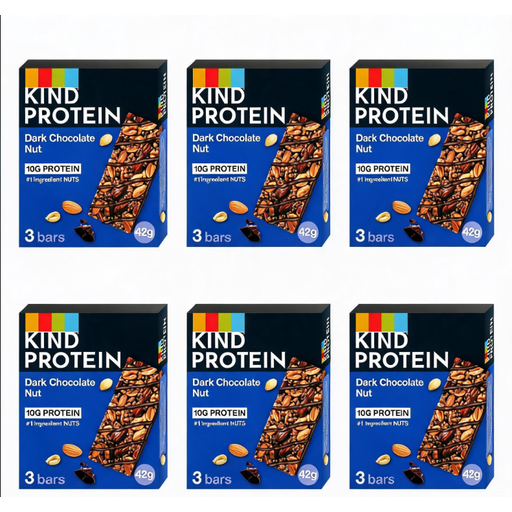 No image available
A packaged bar option if you want to compare a protein-labelled nut snack with dried fruit. The name specifies 42g bars and a 3 x 6pcs bundle; check the current per-bar nutrition panel and allergen statement before choosing it.
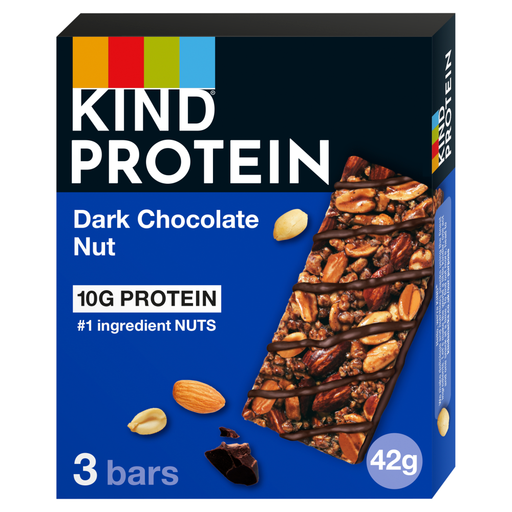 No image available
This three-bar variant is another way to compare a protein-labelled nut bar with a dried-fruit portion. Each bar is named as 42g; compare protein, carbohydrate, sugars, saturated fat and allergens for that bar size.
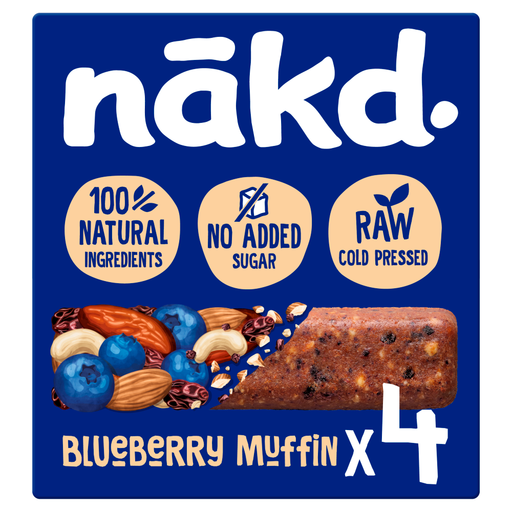 No image available
A fruit-and-nut bar option when a defined bar size is useful for planning a snack. The pack contains four 35g bars; check the nutrition panel for one bar rather than assuming its fruit-and-nut description means either high protein or low carbohydrate.
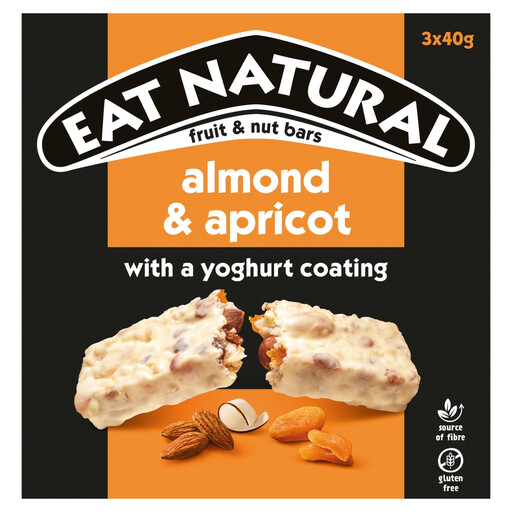 No image available
This almond, apricot and yoghurt bar pack is an alternative to plain dried fruit, not the same product as the Eat Natural dark-chocolate bar discussed above. The title specifies three bars and 120g in total; check this variant's own per-bar nutrition and allergen label.
 No image available
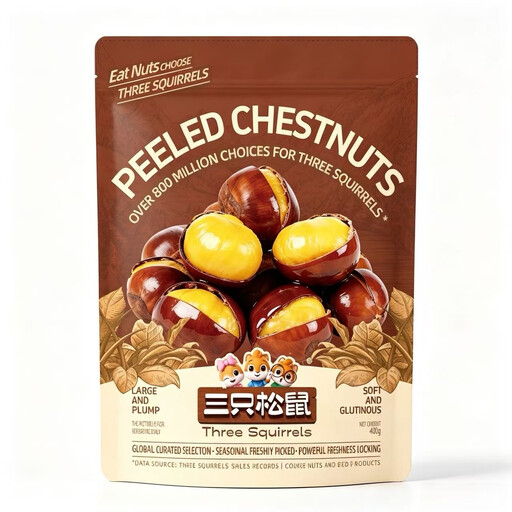
Chestnut kernels are a separate snack alternative, not dried fruit. The product name gives a 400g pack weight; check how much is in the portion you intend to eat and use that amount with the pack's carbohydrate and protein figures.
The plain raisin examples here make a limited protein contribution: Tesco Groceries lists 0.9g per 30g of Tesco Seedless Raisins, while its Whitworths Sunny Raisins listing gives 3.0g per 100g. If protein is central to your snack choice, compare the amount in the portion you would actually eat alongside carbohydrate and other relevant label information.
Dried fruit is not automatically excluded, but the amount matters. Diabetes UK notes that its compact size makes larger portions easy to eat and gives 30g as an example serving that can contain as much as 20g carbohydrate. Use the carbohydrate figure for your planned portion when considering how it fits your own eating plan.
No: that wording does not state the bar's total carbohydrate or sugars. Sainsbury's lists 17g carbohydrate and 15g sugars per 45g nākd Cherry Fruit & Nut Protein Bar. Check the figures for the specific bar and serving size rather than choosing by the phrase alone.