Protein-focused snack shoppers
If protein is the reason for buying, compare the declared amount per serving as well as per 100g. A product containing dried fruit is not necessarily the option with the most protein.


For a Bonfire Night snack where protein is the priority, compare a nut-and-seed mix or a fruit-and-nut bar with a stated protein amount, rather than assuming plain dried fruit will serve the same purpose. M&S Food lists 10g of protein in its 30g Protein Packed Nut and Seed Mix, while Tesco Groceries lists 8g in a 40g Eat Natural bar containing dried dates; the nut-and-seed mix contains no dried fruit. If fruit is the priority, check the protein figure separately, along with allergens and the portion you intend to serve.
If protein is the reason for buying, compare the declared amount per serving as well as per 100g. A product containing dried fruit is not necessarily the option with the most protein.
Dried fruit can add a fruit option, but nut-containing snacks need particular care around allergies and young children. The NHS advises serving dried fruit at mealtimes rather than leaving it for between-meal grazing to reduce tooth-decay risk.
A bar gives you a defined serving to compare; a mix can be portioned into a sharing bowl. Check the ingredients if dried fruit matters to you, and compare the protein in the amount you would actually eat.
Start with whether the snack needs to contain dried fruit or whether protein comes first. Then compare the serving, ingredients and warnings before setting it out for guests.
| Priority | What to check | Your needs |
|---|---|---|
| Protein per serving | Read protein per pack or serving and per 100g; pack sizes differ. M&S Food lists 10g per 30g pack for its Protein Packed Nut and Seed Mix and 11.2g per 100g for its Fruit and Nuts mix. Tesco Groceries lists 8g per 40g Eat Natural Peanuts, Almonds & Cocoa bar. | I want a stated protein amount in the portion I will serve, rather than relying on a snack’s fruit-and-nut description. |
| Fruit content | Check whether dried fruit is an ingredient or the main part of the snack. For plain dried fruit, the NHS counts 30g as one portion of 5 A Day; that portion guidance does not establish a protein claim. | Fruit flavour matters to me, even if I choose a separate food when protein is the main goal. |
| Allergens and age | Read the current pack for nuts, peanuts, soya, sesame and sulphites, as relevant to the product. Whitworths warns that its Wondermix Feel Strong Roasted Nut Mix is not suitable for small children who can choke on nuts. | I need to know whether everyone at the snack table can have the product, and to keep its packaging available when serving it. |
| Serving time | Plan how much dried fruit to put out and when. The NHS advises eating dried fruit at mealtimes rather than as a between-meal snack to reduce tooth-decay risk. | For a long gathering, I would rather serve dried fruit with food than leave a bowl out for continuous grazing. |
The declared protein in the cited M&S nut-and-seed mix and Tesco-listed Eat Natural bar comes in products containing nuts, seeds or peanuts, not from choosing dried fruit alone.
Check protein per serving and per 100g. If dried fruit is essential, check the ingredients too; a protein-focused nut bar or seed mix may contain none.
A 30g nut-and-seed pack, a 40g bar and a 70g fruit-and-nut mix are different amounts of food. A per-pack figure alone does not show their protein concentration.
Use the per-100g figures to compare products on the same basis, then use the per-serving figure for the amount you plan to offer.
Nut-and-seed products can carry allergen warnings, and Whitworths specifically warns that small children can choke on nuts in its Wondermix Feel Strong Roasted Nut Mix.
Read each current label, keep packaging available and provide an appropriate alternative where a guest cannot have the nut-containing snack.
The NHS advises having dried fruit at mealtimes rather than between meals to reduce the risk of tooth decay.
Put out a planned portion with food instead of continually topping up an open bowl.
These product lines illustrate different snack formats; a brand name alone does not tell you how much protein or dried fruit a particular pack contains.
Its cited nut-and-seed pack and fruit-and-nut mix serve different priorities.
The Tesco-listed Peanuts, Almonds & Cocoa bar combines nuts with dried dates in a single-bar format.
Its range includes dried-fruit and fruit-and-nut formats, alongside a separate roasted nut mix.
These options include a seed mix with goji berries, fruit-and-nut snacks and nut bars. If dried fruit and protein both matter, check each product’s current ingredients and protein figure: a nut bar need not contain dried fruit, while a fruit-led bar need not meet your protein priority.
 No image available
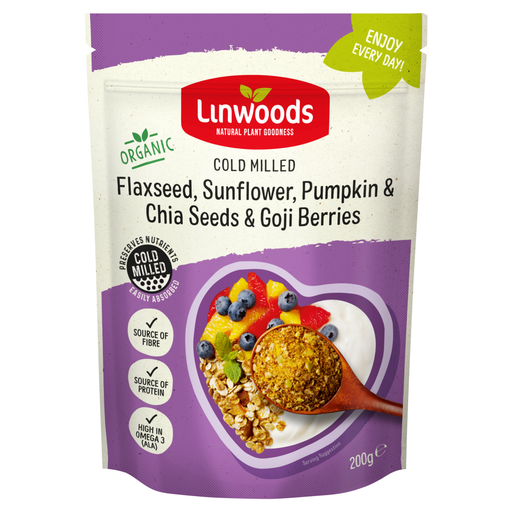
The named seed-and-goji-berry mix keeps a dried-fruit ingredient in a seed-based option for the snack table. Compare protein for the portion you plan to serve, and check the current pack’s allergen warnings before sharing.
 No image available
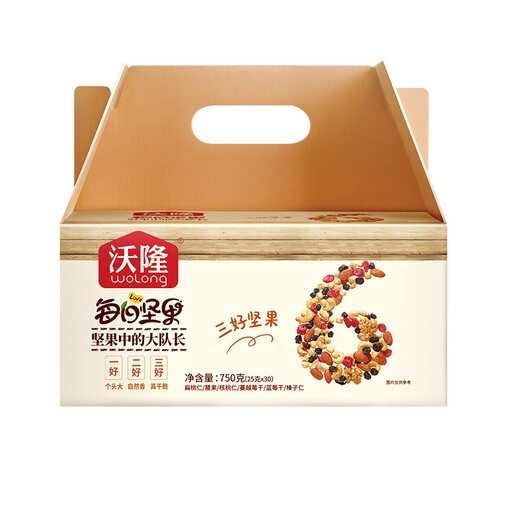
Consider this for a fruit-and-nut serving where sharing format matters alongside protein. Check the current ingredient and nutrition labels for the fruit, nuts and protein in the portion offered; it is not an option for guests who cannot have its tree nuts.
 No image available
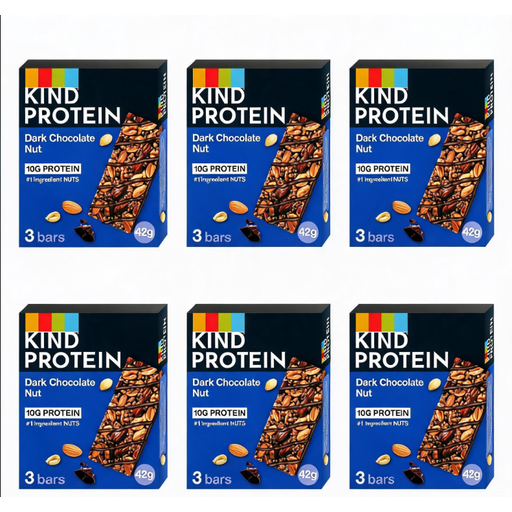
This is a nut-bar route if a bar format matters more than including dried fruit; the product selection information indicates that it contains no dried fruit. Check protein per bar and the current peanut, almond and soya declarations before setting it out.
 No image available
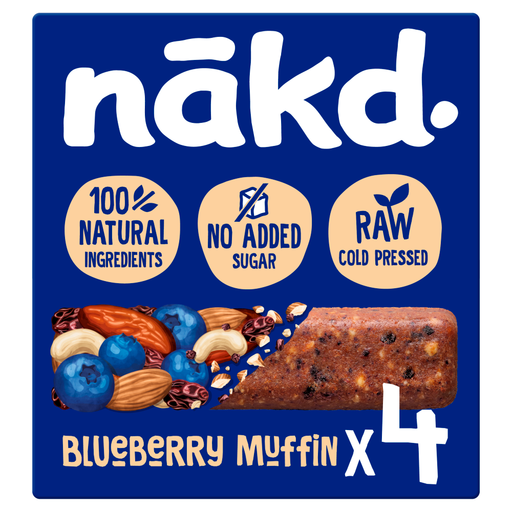
This fruit-and-nut bar format fits a fruit-led snack choice. Do not treat the presence of nuts as a protein claim: compare the current nutrition label with your protein priority, and check the nut allergen declaration.
 No image available
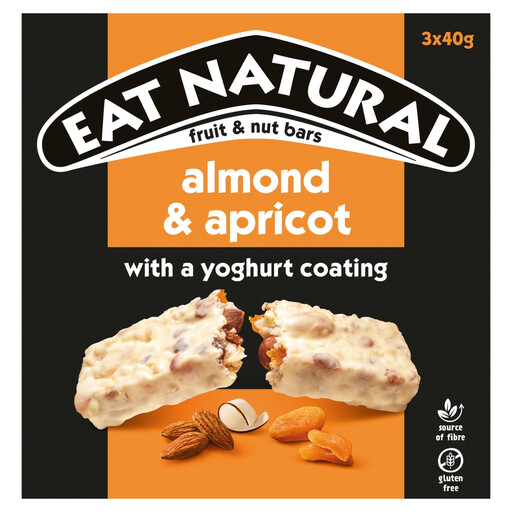
The almond-and-apricot bar is a fruit-and-nut choice, but it is a different product from the Peanuts, Almonds & Cocoa protein bar discussed above. Check this pack’s own protein figure and its milk and nut allergen information rather than applying figures from the other bar.
Choose by the declared protein in the portion, not by whether a product contains dried fruit. The cited M&S nut-and-seed mix and Tesco-listed Eat Natural bar offer stated protein amounts alongside nuts, seeds or peanuts; plain dried fruit can instead provide the fruit element of the spread.
Compare protein per 100g to put differently sized products on the same basis, then check protein per pack or intended portion. Also check whether the bar or mix contains dried fruit if that is part of your reason for choosing it.
The NHS says 30g of dried fruit counts as one portion of 5 A Day, equivalent to around 80g of fresh fruit. That is a fruit-portion measure, not a measure of a snack’s protein content.
The NHS advises eating dried fruit at mealtimes rather than as a between-meal snack to reduce tooth-decay risk. Serve a planned portion with food rather than repeatedly refilling a grazing bowl.
Read each current pack’s ingredients and allergen warnings, particularly for nuts, peanuts, soya, sesame or sulphites. Keep the packaging available for guests; Whitworths also warns that small children can choke on nuts in its Wondermix Feel Strong Roasted Nut Mix.