People including fruit in a high-protein diet
If you want dried fruit with a meal, check its protein per serving rather than counting it as the meal’s main protein food. A measured portion can sit alongside a separately chosen protein food.


Choose dried fruit as a fruit addition, rather than relying on it as the main protein food in a high-protein diet. The Whitworths and M&S dried figs listed by Ocado provide 0.9g and 0.8g protein per 30g respectively; if protein is your priority, choose a separate protein food and check the serving figures on the exact packs you plan to eat.
If you want dried fruit with a meal, check its protein per serving rather than counting it as the meal’s main protein food. A measured portion can sit alongside a separately chosen protein food.
If you use dried fruit for flavour or variety, plan the protein part of the meal separately. The British Nutrition Foundation identifies beans, lentils and chickpeas among plant-based protein foods.
If dried fruit is easy to keep on hand, decide when you will eat it as well as what you will pair it with. The NHS advises eating dried fruit at mealtimes, rather than grazing on it between meals, to reduce the risk of tooth decay.
Start with protein per serving, then consider the dried-fruit portion, its place in the meal and the ingredients on the exact pack.
| Priority | What to check | Your needs |
|---|---|---|
| Protein per serving | Read protein per serving as well as per 100g. For context, Ocado lists 0.9g per 30g for Whitworths Figs and 0.8g per 30g for M&S Soft Figs. | I want to know how much protein the portion I will actually eat contributes, rather than assuming dried fruit is a protein food. |
| Portion and sugars | The NHS counts 30g of dried fruit as one 5 A Day portion. Compare sugars per serving on the exact pack; Ocado lists 13.0g per 30g for Whitworths Figs and 11.6g for M&S Soft Figs. | A measured fruit addition helps me plan the rest of the meal without treating the per-100g figures as my portion. |
| Mealtime use | Consider whether the dried fruit will be part of a meal. The NHS advises eating it at mealtimes rather than between meals to reduce the risk of tooth decay. | I would rather add dried fruit to breakfast or lunch than repeatedly snack on it throughout the day. |
| Ingredients and pairing | Check the current ingredients, allergens and protein declaration. If choosing a fruit-and-nut product, assess the whole product’s serving figures rather than assuming they match plain dried fruit. | I want to know which food supplies the protein and whether the particular pack suits what I can eat. |
Ocado’s listings put the two dried-fig examples at less than 1g protein per 30g serving. Counting a serving like these as the main protein component could leave the meal short of the amount you intended.
Read protein per serving and choose the protein component separately; use dried fruit for the fruit element.
A per-100g figure describes a different quantity from a 30g serving. Ocado lists Whitworths Figs at 3.1g protein per 100g but 0.9g per 30g.
Compare products using the portion you expect to eat, keeping the same quantity basis for each comparison.
The NHS advises eating dried fruit at mealtimes rather than as a between-meal snack to reduce the risk of tooth decay.
Plan your portion as part of breakfast, lunch or another meal.
Ingredients and nutrition can differ between products and change when a product is reformulated. Tesco advises checking the current pack rather than relying solely on a website listing.
Read the ingredients, allergen information, sugars, protein and serving size on the exact product you buy.
Whitworths Figs are one dried-fruit option with serving nutrition listed by Ocado.
M&S Soft Figs offer another specific fig label to compare on a consistent serving basis.
Tesco Groceries groups several dried-fruit types, including apricots, dates, raisins, sultanas, figs and prunes.
Sunsweet UK features prunes as an ingredient in meal recipes.
These options include dried goji berries and nuts that could accompany dried fruit in a meal. They serve different purposes, so compare protein per serving and check the ingredients on each pack rather than treating them as interchangeable dried-fruit choices.
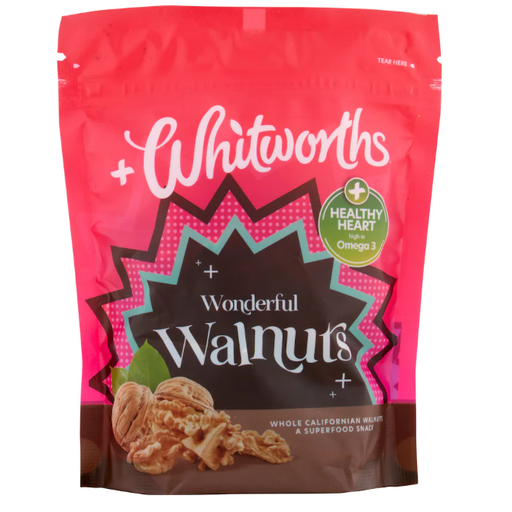 No image available
Walnuts are a separate nut option to consider alongside dried fruit in a meal, rather than a dried-fruit substitute. This is a 110g pack; check its protein per serving and allergen information on the pack.
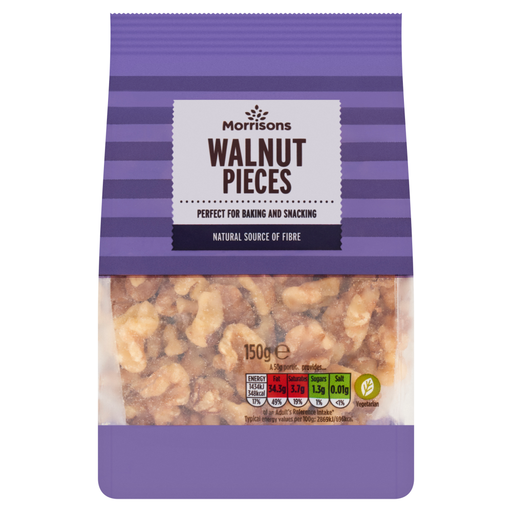 No image available
The walnut pieces can be mixed into a meal that also includes dried fruit. The pack is 150g; use its stated serving nutrition to assess protein and check the allergen information before use.
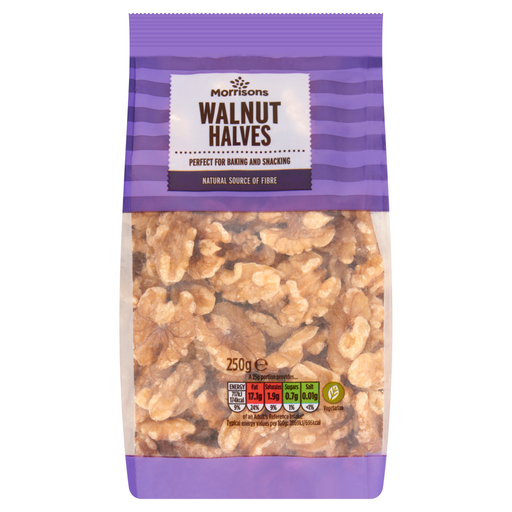 No image available
These walnut halves are a nut option for a meal that includes dried fruit; they are not dried fruit themselves. The pack is 250g. Check the physical pack for its current protein figures and allergen information before comparing it with other nuts.
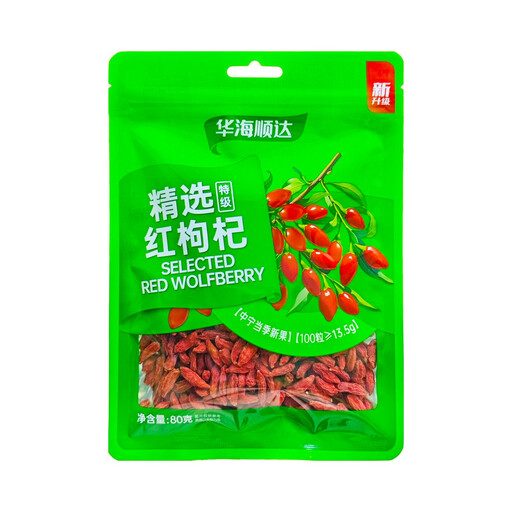 No image available
For a goji berry option within the dried-fruit part of a meal, compare the pack’s protein per serving with your other choices. This is an 80g pack; check its ingredients and serving information before deciding what else to include.
 No image available
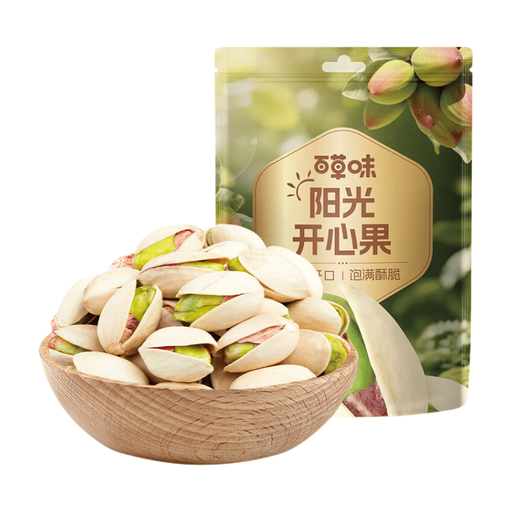
These roasted and salted pistachios are a nut option to consider with dried fruit, not a dried-fruit product. The pack is 100g; check its protein per serving, ingredients and allergen information when planning a portion.
Do not assume it is: Ocado lists only 0.9g protein per 30g for Whitworths Figs and 0.8g for M&S Soft Figs. Check the serving figure for the particular dried fruit you choose, and plan the main protein component separately.
Use dried fruit as a measured fruit addition and choose a separate food for protein. Beans, lentils and chickpeas are plant-based options identified by the British Nutrition Foundation; assess the protein contribution using the portions and nutrition information for the foods you actually combine.
The NHS states that 30g of dried fruit counts as one portion of 5 A Day, equivalent to around 80g of fresh fruit. That portion reference does not tell you how much protein an individual product contains, so check its label separately.
The NHS advises eating dried fruit at mealtimes rather than as a between-meal snack to reduce the risk of tooth decay. If you are planning a high-protein meal, you can consider the fruit and protein components together while checking each food’s serving size.
Yes. Tesco notes that food products can be reformulated, changing ingredients, nutrition information or allergens. Check the current pack when protein per serving, sugars or allergen suitability affects your choice.