Hikers who want fruit and protein
If dried fruit is part of the appeal, compare fruit-and-nut mixes with fruit-based protein snacks. Check the protein figure for the portion, not just the ingredients pictured on the pack.


Choose plain dried fruit when fruit is what you want, but do not rely on it for much protein: Whitworths lists 3.3g per 100g for Sunny Raisins. If you want fruit and more protein in the same hiking snack, compare fruit-and-nut mixes or fruit-based protein snacks by both protein per 100g and protein in the portion you will carry. Check the current pack for allergens and sugars before choosing.
The useful distinction is whether you want fruit alone, fruit alongside a protein-containing ingredient, or a portable protein snack without fruit.
If dried fruit is part of the appeal, compare fruit-and-nut mixes with fruit-based protein snacks. Check the protein figure for the portion, not just the ingredients pictured on the pack.
A single bar or small pack makes it easier to tell how much you plan to carry and eat. For a larger bag, decide on a portion before packing it and compare that portion with the label’s per-100g figures.
Nut, peanut, seed and soy ingredients can change which snacks are suitable. Check the exact product’s ingredient and allergen statements before using protein figures to choose between packs.
Start with whether the snack must contain dried fruit. Then compare protein on the same weight basis, followed by the portion, ingredients and label details that matter to you.
| Priority | What to check | Your needs |
|---|---|---|
| Protein | Compare grams of protein per 100g, then grams in the serving you intend to eat. Whitworths lists 3.3g per 100g for Sunny Raisins; M&S Food lists 11.2g per 100g for Fruit and Nuts. | I want dried fruit in my snack, but I also want to see how much protein the complete mix provides. |
| Pack size | Check the pack weight and whether the protein figure describes 100g, one serving or the whole pack. M&S Food lists 10g protein in a 30g Protein Packed Nut and Seed Mix pack; Good4U’s Tesco listing gives 7.2g in a 40g Protein Balls pack. | For a walk, I need to compare the amount I will actually pack and eat, rather than treating a per-100g figure as a single snack. |
| Fruit content | Read the ingredient list to distinguish fruit-only snacks, fruit-and-nut mixes and fruit-based snacks with added protein. A nut-only or chocolate-flavoured bar does not meet a preference for dried fruit merely because it is portable. | If the fruit flavour matters to me, I would rather choose a snack that actually includes fruit than switch to a different protein format unnoticed. |
| Allergens | Check the current ingredient list, allergen statement and any precautionary wording for the exact pack. The cited M&S nut-and-seed mix contains almonds and soybeans; the cited nākd. Cherry bar contains peanuts. | I need to rule out ingredients I cannot eat before comparing protein amounts or pack sizes. |
| Sugars | Read the sugars line per serving alongside any no-added-sugar wording. The NHS includes dried fruit among foods containing free sugars; a no-added-sugar claim does not mean sugar-free. | When choosing a fruit-based snack, I want to know what the portion contains rather than relying on a front-of-pack phrase. |
Portability does not tell you how much protein a snack contains. Whitworths Sunny Raisins list 3.3g protein per 100g and 0.6g per 18g serving.
If protein is the reason for buying, compare that figure with fruit-and-nut or fruit-based protein products rather than choosing by snack format alone.
A per-100g figure shows protein concentration, while a per-pack figure describes a particular amount of food. M&S Food lists 10g in its 30g nut-and-seed pack; Tesco lists 7.2g in a 40g Good4U Protein Balls pack.
Use per 100g to compare labels on the same basis, then check the portion you expect to carry and eat.
A nut, peanut or soy ingredient can make an otherwise suitable-looking snack unusable for someone who must avoid it. Fruit-and-nut mixes may also declare sulphites.
Read the current label for the exact product before deciding whether its protein figure is relevant to you.
A fruit-based snack can contain sugars even when none are added. The NHS includes dried fruit among foods containing free sugars.
Check sugars per serving and consider how often you plan to eat the snack during the walk.
These named products illustrate different snack formats; a brand name alone does not establish the protein content or ingredients of another product in its range.
Its cited packs offer a choice between a nut-and-seed snack and a mix that includes dried fruit.
Its cited products span fruit-only raisins, a fruit-and-nut mix and a roasted nut mix.
Its cited Cocoa Orange Protein Balls combine dried fruit with soy protein crispies.
The cited Cherry Fruit & Nut Protein Bar is a wrapped option containing dates and peanuts.
These options cover a seed mix with goji berries, a savoury nut mix and individually portioned bars or flapjacks. The nut mix and some bars are alternatives when dried fruit is optional, not substitutes for a fruit-containing snack.
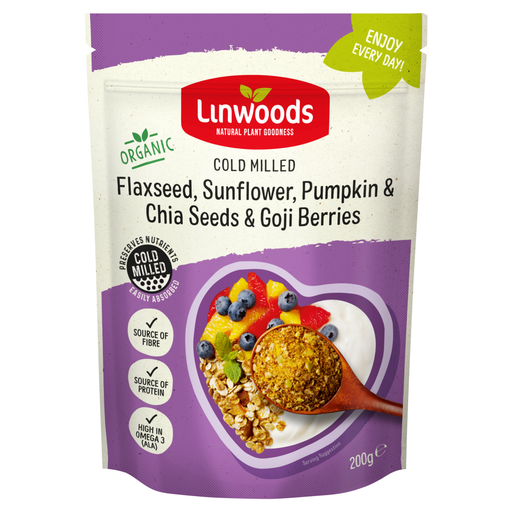 No image available
This seed blend includes goji berries if you want dried fruit alongside seeds. The 200g pack is not a single serving, so portion out what you intend to carry. Check the current label if sesame, mustard, nuts or soya are concerns.
 No image available
Choose this savoury peanut-and-hazelnut mix only if dried fruit is optional: it is not a fruit snack. The 100g bag can be divided into smaller portions for a walk. Check the label if you need to avoid peanuts or hazelnuts.
 No image available
The four 35g bars provide individually portioned snacks for a hike. This Peanut Delight product is distinct from the Cherry Fruit & Nut bar discussed above, so check its own nutrition panel rather than using the Cherry bar’s figures. Check the current label for peanuts, hazelnuts and possible soy or other nuts.
 No image available
This chocolate-flavoured bar is an alternative for someone prioritising a bar format over dried fruit; it is not a fruit snack. The listed bundle contains twelve 50g bars. Check the current label for milk and soy before buying.
 No image available
These three 50g flapjacks are portioned for carrying separately, but they are not dried-fruit snacks. If you are considering one instead of a fruit-and-nut mix, compare the current per-flapjack nutrition panel and check the soya declaration.
Do not assume so from its portability: Whitworths Sunny Raisins list 3.3g protein per 100g and 0.6g per 18g serving. If you want fruit and more protein in one snack, compare a fruit-and-nut mix or a fruit-based protein product using its own label.
Among these specific cited single packs, M&S Food lists 10g protein in its 30g Protein Packed Nut and Seed Mix, which does not contain dried fruit. For fruit-inclusive options, Tesco lists 7.2g in a 40g Good4U Cocoa Orange Protein Balls pack, while Sainsbury’s lists 6.2g in a 45g nākd. Cherry Fruit & Nut Protein Bar. Check ingredients and allergens as well as the amount.
Use both measures for different purposes: per 100g lets you compare protein concentration across pack sizes, while the per-bar or per-pack figure tells you what the stated portion contains. Make sure the portion on the label matches what you plan to eat.
Check the current label of the exact product for nuts, peanuts, soy and any sulphites or precautionary allergen wording. The cited M&S nut-and-seed mix contains almonds and soybeans; the cited nākd. Cherry bar contains peanuts; the cited fruit-and-nut mixes declare sulphites.
No. A no-added-sugar statement does not tell you that the food contains no sugars. Check the sugars figure for the portion you intend to eat; NHS guidance includes dried fruit among foods containing free sugars.