Hosts comparing protein declarations
You want dried fruit on the Halloween table and need to distinguish a stated protein amount from a claim that the food is high in protein.


Choose dried fruit for the flavour and format you want on the party table, rather than assuming it will meet a high-protein goal. Sainsbury's lists 11.4g protein per 100g for its Goji Berries and labels them a source of protein; if protein is the main requirement, compare the nutrition declaration on a separately chosen food instead of relying on dried fruit alone.
You want dried fruit on the Halloween table and need to distinguish a stated protein amount from a claim that the food is high in protein.
You need manageable servings and access to ingredient information, while considering whether small pieces are appropriate for younger guests.
You want familiar dried-fruit flavours and a format that works in party food, even when protein is not the reason for choosing it.
Start with the role dried fruit will play: a protein-aware choice, a measured serving or an ingredient for bakes and mixes. Then check the exact pack for ingredients and serving information.
| Priority | What to check | Your needs |
|---|---|---|
| Protein | Compare protein per 100g on the same basis. Sainsbury's lists 11.4g for its Goji Berries, Whitworths lists 2.2g for its apricots, and M&S lists 2.4g for its Mixed Dried Fruit. Check the wording of any protein claim separately. | I want to know what the fruit contributes before making protein the theme of the spread. |
| Portions | Check the pack size and how you will divide it. The NHS says 30g of dried fruit counts as one 5 A Day portion and advises having dried fruit at mealtimes rather than between meals. | Small servings alongside the main party food would be easier for me to manage than an open bowl for grazing. |
| Ingredients | Read the exact product label and retain the pack for guests. Whitworths lists sulphur dioxide in its apricots; check other products individually rather than assuming their ingredients match. | Guests need a way to check whether a particular fruit snack is suitable for them. |
| Party use | Choose a pack and fruit type that suit the recipe or serving dish. M&S describes its Mixed Dried Fruit as a blend of sultanas, raisins and currants. | For bakes or a mixed snack bowl, flavour and fruit type may matter more to me than the protein figure. |
The phrases describe different claims. The legislation.gov.uk text sets a threshold of at least 20% of a food's energy from protein for a “high protein” claim; Sainsbury's labels its Goji Berries a source of protein.
Read the claim wording and the nutrition declaration separately. If protein is the main requirement, compare a separately chosen food rather than relying on the dried fruit label alone.
The NHS counts 30g of dried fruit as one 5 A Day portion and advises eating it at mealtimes rather than between meals.
Plan small servings alongside the main party food instead of using an unrestricted bowl throughout the event.
Whitworths lists sulphur dioxide in its apricots. A shared mix can also make it harder for guests to identify which product they are eating.
Keep the original packs available and identify the contents of each serving dish.
Small dried pieces need consideration when food is being served to children of different ages.
Check warnings on the exact pack, choose food appropriate for the children attending and supervise serving.
Its Goji Berries provide a named product whose protein declaration can be compared with other dried fruits.
Its dried apricots offer a fruit option to consider when planning individual party servings.
Its Mixed Dried Fruit is a blend of sultanas, raisins and currants for uses such as baking.
Tesco's dried-fruit category includes types such as apricots, dates, raisins and sultanas.
These options include goji berries and dried figs for a Halloween spread. If protein drives your choice, compare the per-100g declaration on each exact pack; pack size and fruit type alone do not establish its protein contribution.
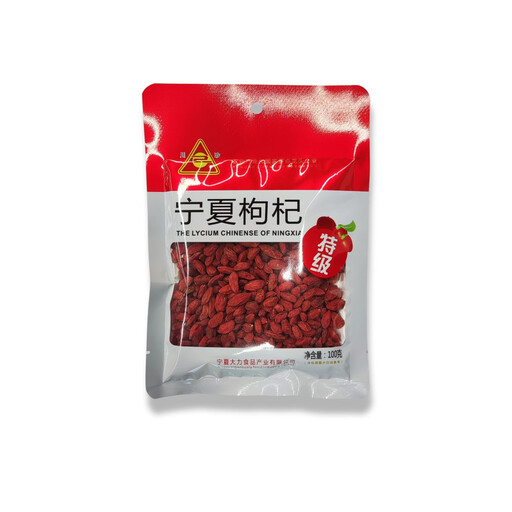 No image available
A 100g pack of dried goji berries to consider for measured party servings. Check its nutrition label if the protein amount will determine your choice.
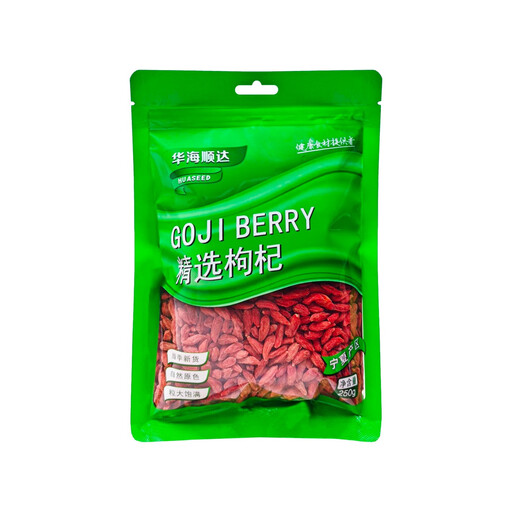 No image available
This 250g goji-berry pack is an option when planning several servings. Check its per-100g nutrition declaration and divide portions to suit the party table.
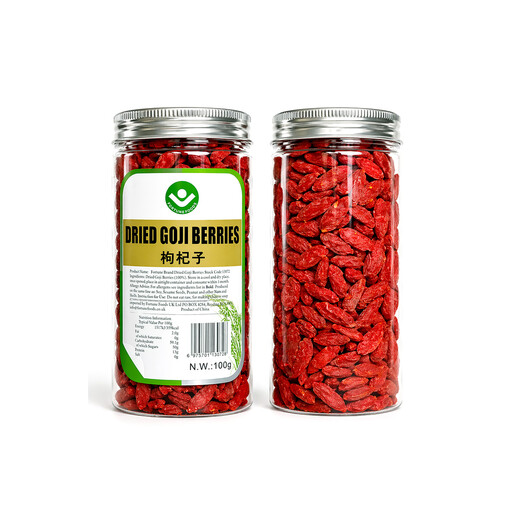 No image available
A 100g goji-berry option for serving alongside other party food. Read the exact pack for protein, ingredients and any warnings before serving.
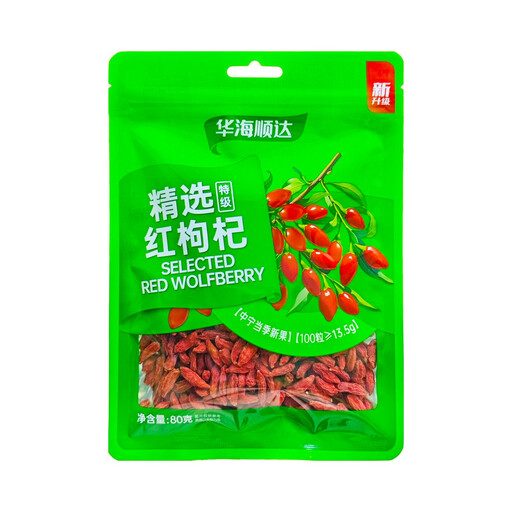 No image available
This 80g pack offers another goji-berry format for a party spread. Compare its per-100g protein declaration with other packs rather than using pack size as a guide to protein content.
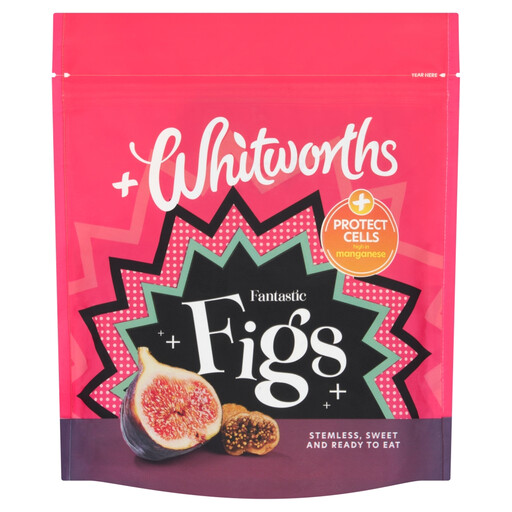 No image available
These dried figs offer a different fruit type for the party table. Check their protein declaration if protein is the deciding factor, and read the pack's allergen information before sharing.
Do not assume so from the fruit type or a “source of protein” label. Sainsbury's declares 11.4g protein per 100g for its Goji Berries; the legislation.gov.uk text describes a separate “high protein” claim threshold of at least 20% of energy from protein. Compare the exact food's nutrition declaration if protein is the main goal.
Use the serving format that suits your party food rather than leaving one bowl out indefinitely. The NHS says 30g of dried fruit counts as one 5 A Day portion and advises eating dried fruit at mealtimes rather than between meals.
Keep the original ingredient information available and identify what is in each dish. For example, Whitworths lists sulphur dioxide in its dried apricots, so guests should be able to identify that product rather than assume every dried fruit has the same ingredients.
Yes. M&S advises customers that product ingredients, nutrition and allergen information can change, so read the label on the pack you are serving.