Gym-goers looking for protein
A fruit snack and a protein-containing snack serve different purposes. Compare protein in the portion you would actually carry; if protein is the main aim, consider what you would eat alongside the dried fruit.


Choose dried fruit for a portable fruit snack, not as a stand-alone answer to a high-protein gym-bag search: Whitworths lists 2.6g protein per 30g of its Wondermix, while the Crazy Jack apricots listed by Ocado provide 1.2g per 30g. If protein after exercise lasting longer than an hour is your priority, compare the amount in your portion with the British Heart Foundation’s 15–30g post-exercise guidance and consider a separate protein-containing food. The NHS advises eating dried fruit at mealtimes rather than grazing on it between meals.
A fruit snack and a protein-containing snack serve different purposes. Compare protein in the portion you would actually carry; if protein is the main aim, consider what you would eat alongside the dried fruit.
A small pack can be convenient to carry. Check its serving size and sugars, and plan when you will eat it: the NHS recommends dried fruit at mealtimes rather than between meals to reduce tooth-decay risk.
Read the current pack rather than relying on a product name. The Whitworths Wondermix ingredient information lists almonds and sulphur dioxide, with warnings that it may contain peanuts, other nuts and sesame.
Start with protein in the portion you will eat, then consider the pack format, ingredients and when the snack fits into your day.
| Priority | What to check | Your needs |
|---|---|---|
| Protein per portion | Read the grams of protein for the serving you will eat, not just per 100g. Ocado lists 1.2g per 30g for Crazy Jack apricots; Whitworths lists 2.6g per 30g for its fruit-and-nut Wondermix. | If protein is my reason for buying the snack, I need to know what one portion contributes rather than assuming a fruit-and-nut name means a substantial amount. |
| Training use | Consider whether you want a portable fruit snack or protein alongside carbohydrate after exercise. The British Heart Foundation gives a 15–30g post-exercise protein recommendation alongside carbohydrate for exercise lasting longer than an hour. | For a longer session, I want to decide whether to carry a separate protein-containing food instead of relying on dried fruit alone. |
| Portion and timing | Check the pack size and sugars per portion. The NHS counts 30g dried fruit as one 5 A Day portion and recommends eating it at mealtimes rather than between meals to reduce tooth-decay risk. | A large bag is easy to carry, but I may prefer to portion it before leaving rather than graze on it throughout the day. |
| Ingredients and allergens | Read the current ingredients, allergen declaration and may-contain statement. Whitworths lists almonds and sulphur dioxide in its Wondermix, plus may-contain warnings for peanuts, other nuts and sesame. | Before packing a fruit-and-nut mix, I need to check that its actual ingredients suit me; the category name is not enough. |
A fruit-and-nut mix can contain more protein than a plain-fruit option without providing the amount you had in mind. Whitworths lists 2.6g per 30g for its Wondermix.
Compare protein for the portion you will eat. If protein is the priority, consider a separate protein-containing food alongside the fruit.
Pack size and serving size are different. The NHS counts 30g of dried fruit as one 5 A Day portion; Sainsbury’s lists 16.2g sugars in its 40g prune pack.
Use the pack’s nutrition panel and serving information to decide how much to take with you.
Fruit-and-nut mixes introduce ingredient and allergen considerations that may not apply to a particular plain-fruit product. Whitworths lists nuts and sulphur dioxide for its Wondermix.
Check the current ingredients, allergen declaration and may-contain statement for the exact pack.
The NHS recommends eating dried fruit at mealtimes rather than as a between-meal snack to reduce tooth-decay risk.
If you carry it in a gym bag, plan to eat it with a meal where practical rather than repeatedly snacking from the pack.
Its range includes dried fruit and fruit-and-nut mixes in portable formats.
Its dried-fruit category includes several fruit types and pack formats.
Its own-label range includes a 40g prune pack.
Its fruit-snack range includes dried fruit and fruit-and-nut formats.
These options include fruit-and-nut bars, a mixed-nut-and-fruit pack, chestnuts and a jujube snack. Chestnuts are not dried fruit; for every option, check protein per portion if that is your main buying criterion.
 No image available
The four-bar format lets you pack one bar for a gym visit. Compare protein per bar on the current pack if that is why you are choosing it.
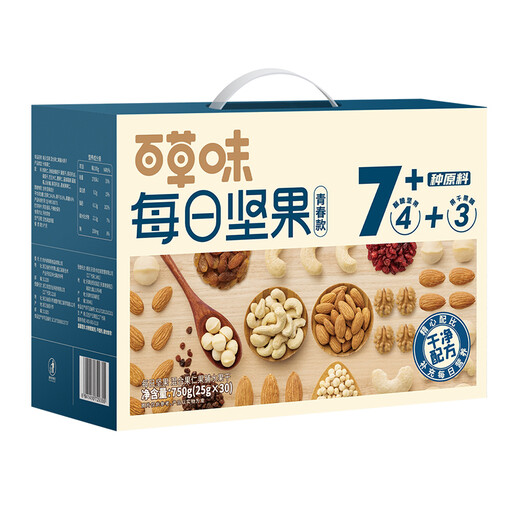 No image available
The 750g pack needs portioning for a gym bag. Check protein for the amount you take, along with the current ingredients and allergen statement.
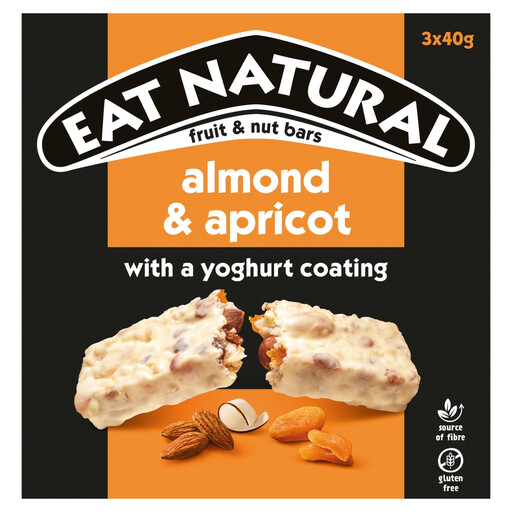 No image available
This three-pack offers a bar format for carrying to the gym. Check protein per bar and the current allergen statement before choosing it for a particular need.
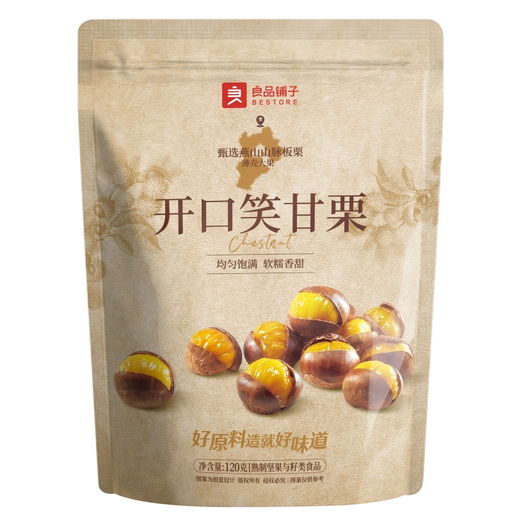 No image available
Chestnuts are a different snack choice from dried fruit. If you want to take part of the 120g bag, check its pack format and protein per intended portion.
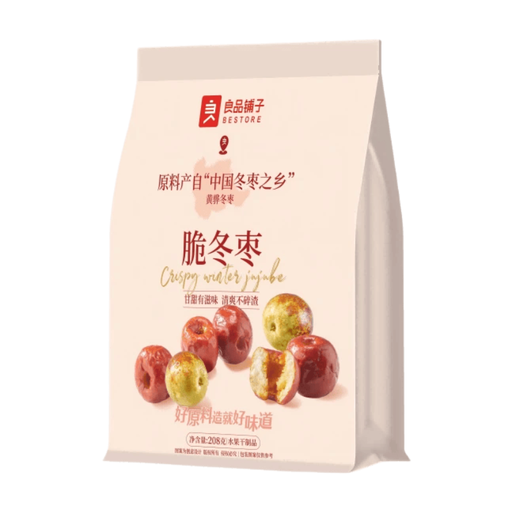 No image available
This is a crispy jujube snack in a 208g pack. Check how it is prepared, its ingredients and protein per portion rather than assuming it has the same composition as plain dried fruit.
Do not assume so from the name: Ocado lists 1.2g protein per 30g for Crazy Jack apricots, and Whitworths lists 2.6g per 30g for its fruit-and-nut Wondermix. Compare the protein in the portion you would eat with what you want from the snack.
It can be a compact fruit snack when carbohydrate, rather than protein, is your reason for carrying food. The British Dietetic Association identifies carbohydrate as the main fuel source for exercising muscles and advises carbohydrate-rich food and fluids when quick refuelling is required after exercise.
Consider a separate protein-containing food alongside the fruit. For exercise lasting longer than an hour, the British Heart Foundation says extra protein afterwards can be useful and gives a 15–30g recommendation alongside carbohydrate; check what your actual portions provide.
The NHS recommends dried fruit at mealtimes rather than as a between-meal snack to reduce tooth-decay risk. It counts 30g of dried fruit as one 5 A Day portion, so consider both the portion and when you plan to eat it.
Read the ingredients, allergen declaration and may-contain statement on the exact pack. Ocado’s listing for Crazy Jack apricots says they are free from sulphur dioxide and sulphites, whereas Whitworths lists almonds and sulphur dioxide in its Wondermix, with additional may-contain warnings.