Shoppers looking for protein
If protein is the purpose of your snack, compare the amount in the portion you would actually eat. A per-100g figure alone does not tell you what a small handful will provide.


If protein is your main reason for choosing a snack, do not rely on dried fruit alone. Sainsbury's labels its goji berries a source of protein at 11.4g per 100g, but a source-of-protein claim is not the same as a high-protein claim: UK legislation published on legislation.gov.uk requires at least 20% of a food's energy to come from protein for the latter. Choose dried fruit for a measured fruit addition, and check the protein in the other foods you plan to eat with it.
If protein is the purpose of your snack, compare the amount in the portion you would actually eat. A per-100g figure alone does not tell you what a small handful will provide.
If you want dried fruit as part of a planned meal, the NHS counts 30g as one 5 A Day portion and recommends eating dried fruit at mealtimes.
Goji berries and mixes can have different protein, energy and ingredient information. Check the exact pack rather than assuming that either format meets a high-protein requirement.
Start with the protein you would get from your intended portion, then compare the ingredients and other nutrition information that matter to your choice.
| Priority | What to check | Your needs |
|---|---|---|
| Protein | Compare protein per 100g and per serving. For a UK high-protein claim, legislation published on legislation.gov.uk requires at least 20% of the food's energy to come from protein; grams alone do not establish that claim. | I'm choosing a snack mainly for protein, so I need to know what my portion provides rather than treating dried fruit as the protein component by default. |
| Portion and sugars | Check the stated serving size, sugars per serving and energy. Sainsbury's lists 22.2g sugars in a 30g serving of its mixed dried fruit; ASDA lists 21g in 30g of its seedless raisins. | I want to decide how much dried fruit to serve with a meal, rather than repeatedly taking some from a large pack. The NHS counts 30g dried fruit as one 5 A Day portion. |
| Ingredients and fibre | Read the ingredient list and fibre declaration on the exact pack. Sainsbury's lists 12.3g fibre per 100g for its goji berries; ingredient lists distinguish plain fruit from blends. | Fruit variety or a stated fibre value may be my reason for choosing a pack, even when its protein is not the deciding factor. |
| Meal fit and allergens | Check whether a mix contains ingredients you need to avoid, particularly nuts. For dried fruit, the NHS recommends eating it at mealtimes rather than between meals. | If I'm adding fruit to a meal or considering a fruit-and-nut mix, I need the format and ingredient statement to fit how I plan to eat it. |
These are different claims. UK legislation published on legislation.gov.uk sets a threshold of at least 20% of energy from protein for a high-protein claim; Sainsbury's describes its goji berries as a source of protein.
If the claim matters to your choice, check the exact product label and its protein and energy information rather than relying on the word “protein” alone.
Whitworths lists 0.7g protein in a 30g apricot pack, while Sainsbury's lists 11.4g per 100g for its goji berries. Those figures describe different amounts of fruit.
Compare the protein in the amount you intend to eat. If protein is the main requirement, check the other food in the meal or snack separately.
ASDA lists 21g sugars in 30g of its seedless raisins, and Sainsbury's lists 22.2g in 30g of its mixed dried fruit. A large pack makes it useful to decide on a serving before eating.
Compare labels using the same serving amount. The NHS counts 30g dried fruit as one 5 A Day portion and recommends having it at mealtimes.
Joybuy lists 9.0g protein and 514kcal per 100g for the BE&CHEERY Daily Mixed Nuts and Dried Fruits mix. Its protein figure alone does not settle how a chosen serving fits your plan.
Check the serving size, energy and full ingredient and allergen statements on the exact mix before choosing it.
Whitworths offers dried-fruit packs including apricots and raisins.
Sunsweet Growers presents a range of prune formats, including bite-size and diced prunes.
Tesco Groceries groups several dried-fruit types, including apricots, dates, prunes, raisins and mixed fruit.
Sainsbury's lists both goji berries and mixed dried fruit, with different nutrition information.
ASDA lists dried-fruit products including prunes and raisins.
M&S describes fruit snacks including dates, apricots and dried mango.
These Joybuy options are goji berry packs for shoppers who want dried fruit. Compare the protein and energy information on each exact pack if protein is your priority; a goji berry listing alone does not establish a high-protein claim.
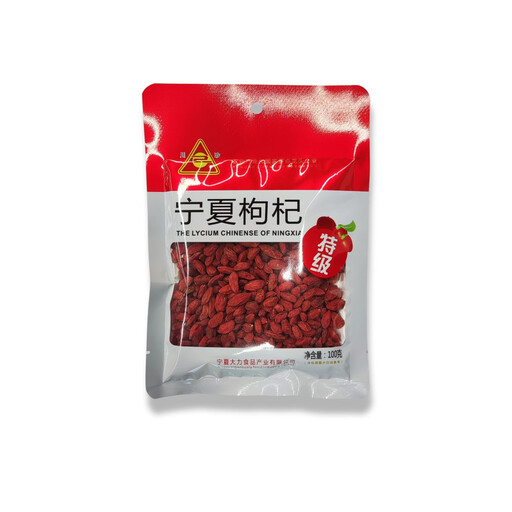 No image available
For a goji berry addition to a measured serving, Joybuy lists 12.0g protein and 299kcal per 100g for this pack. Check the amount you intend to use when comparing its protein with another snack.
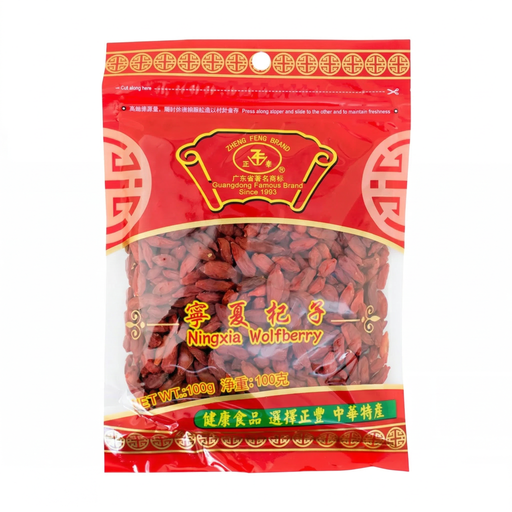 No image available
This 100g wolfberry pack is an option if you want dried fruit to add to a meal. Check its nutrition label for protein and energy in the serving you plan to use.
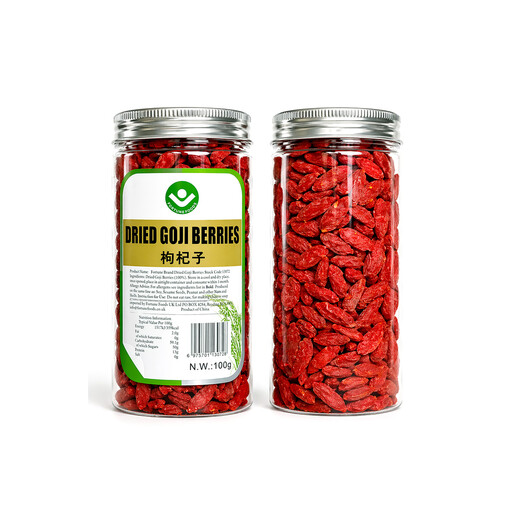 No image available
For a measured dried-fruit addition, compare this 100g pack's ingredients and per-serving nutrition with the other goji berry options. Do not use pack weight as a substitute for a protein figure.
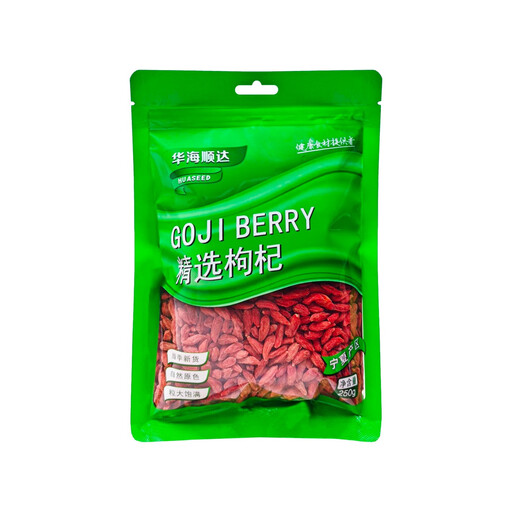 No image available
If a 250g pack suits your planned use, decide on a serving separately from the pack size. Check protein, energy and ingredients on the exact product label.
 No image available
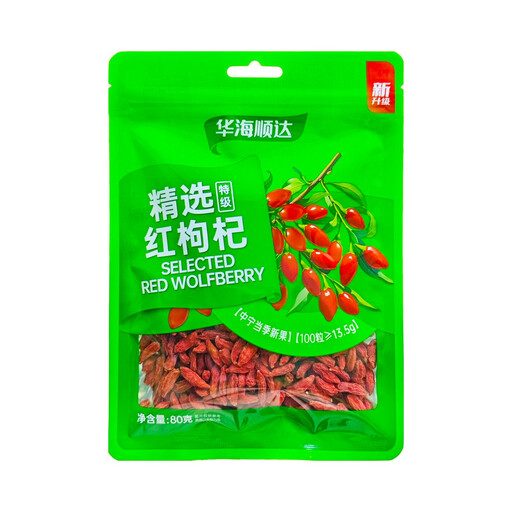
This 80g pack may suit a different pack-size preference. For a protein-focused choice, compare the nutrition information for the amount you would eat, not the pack weight.
No. UK legislation published on legislation.gov.uk requires at least 20% of a food's energy to come from protein for a high-protein claim. Sainsbury's calls its goji berries a source of protein and lists 11.4g protein per 100g; check the claim and serving information on the exact pack you are considering.
The NHS counts 30g of dried fruit as one 5 A Day portion. That is a useful amount to measure when planning a meal, but check the pack's nutrition information for what that serving provides.
The NHS recommends eating dried fruit at mealtimes rather than between meals. If you are using it as an addition to a meal, plan the portion alongside the other foods you will eat.
Use dried fruit as a measured addition and check the protein in the rest of the meal separately. A dried-fruit pack's protein per 100g may be quite different from the amount in the portion you serve.
No. Joybuy lists 9.0g protein and 514kcal per 100g for its BE&CHEERY Daily Mixed Nuts and Dried Fruits mix, but protein grams alone do not establish a high-protein claim or describe your intended serving. Check the exact mix's serving size, ingredients and allergen statement.